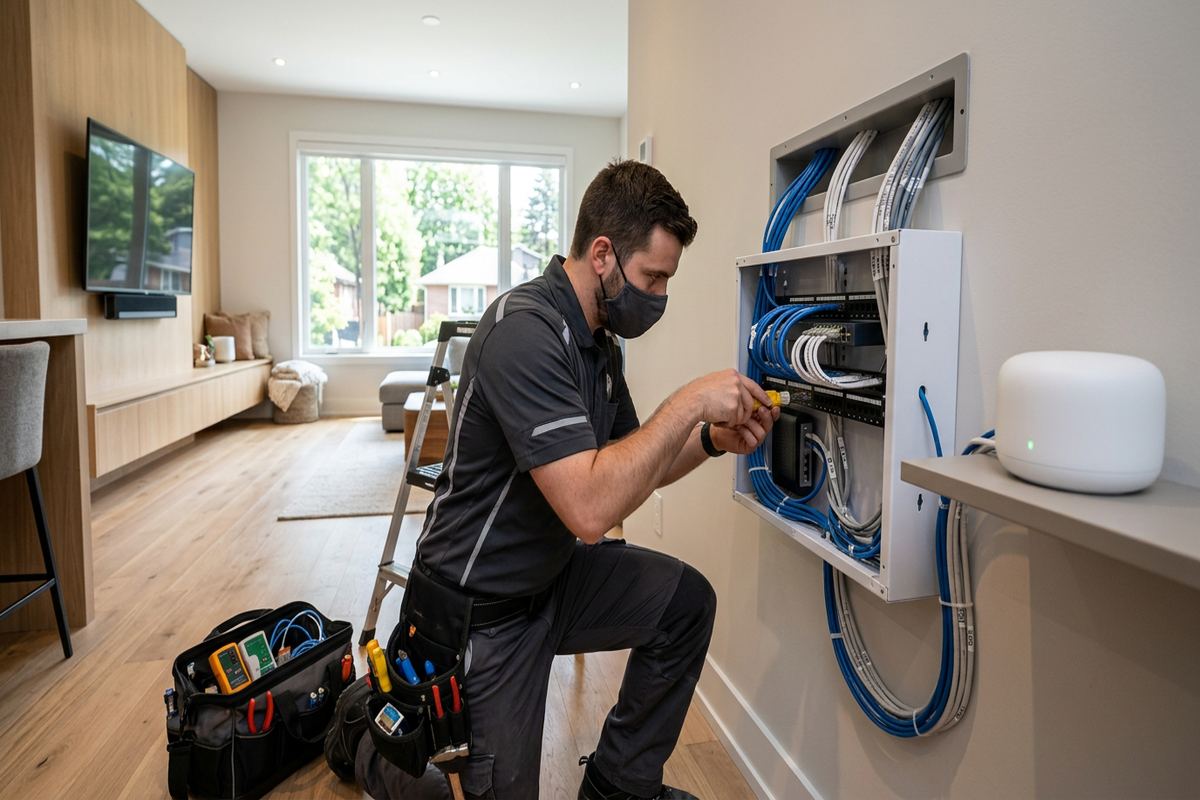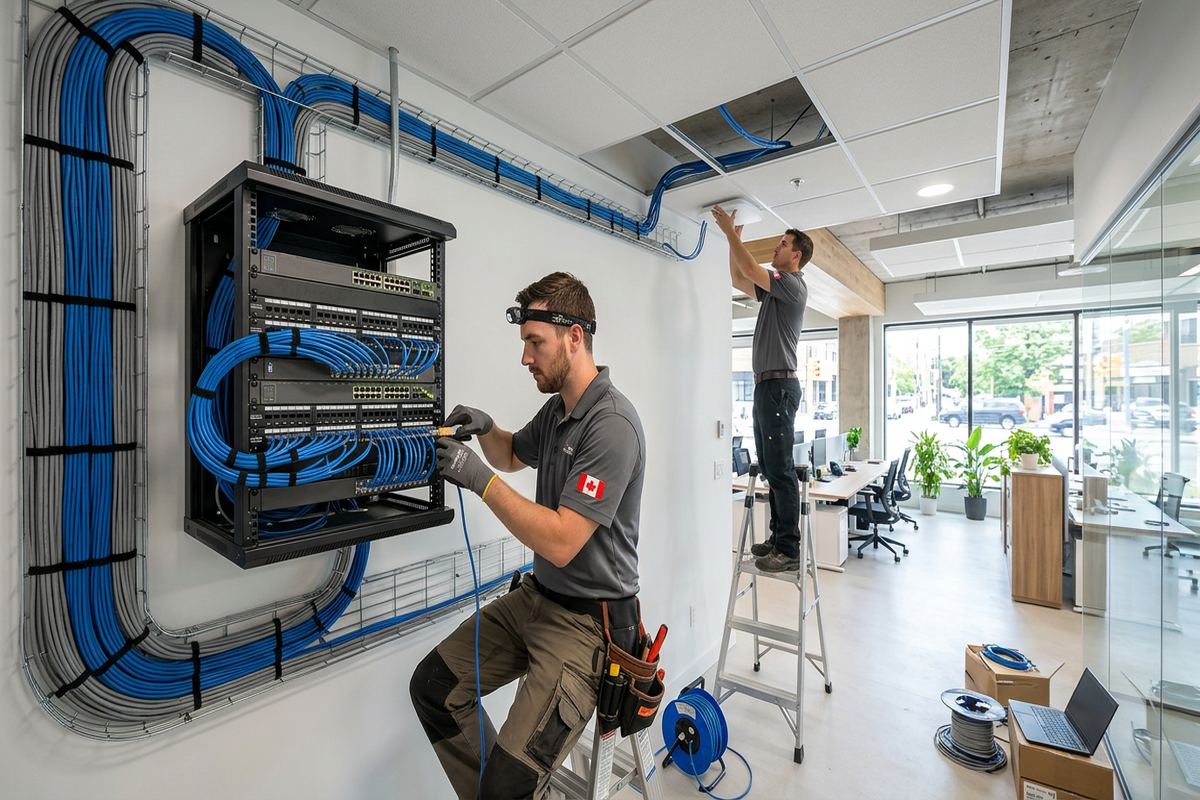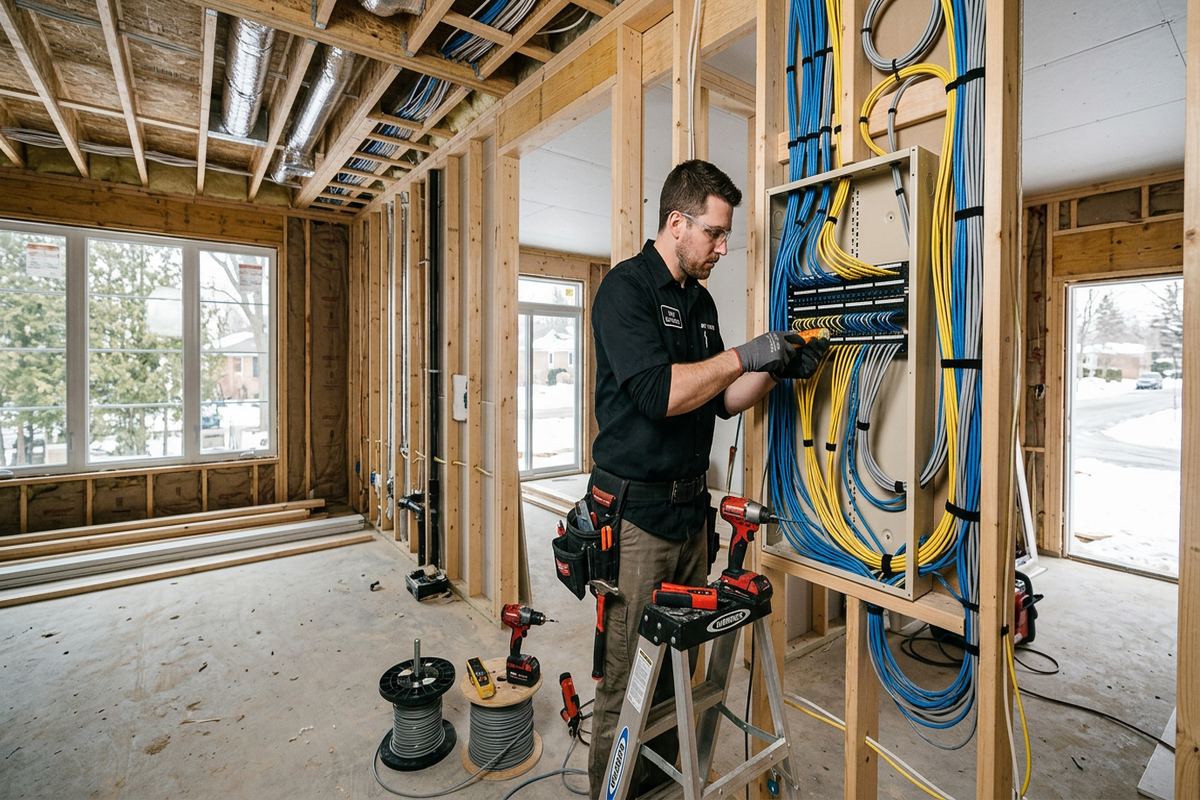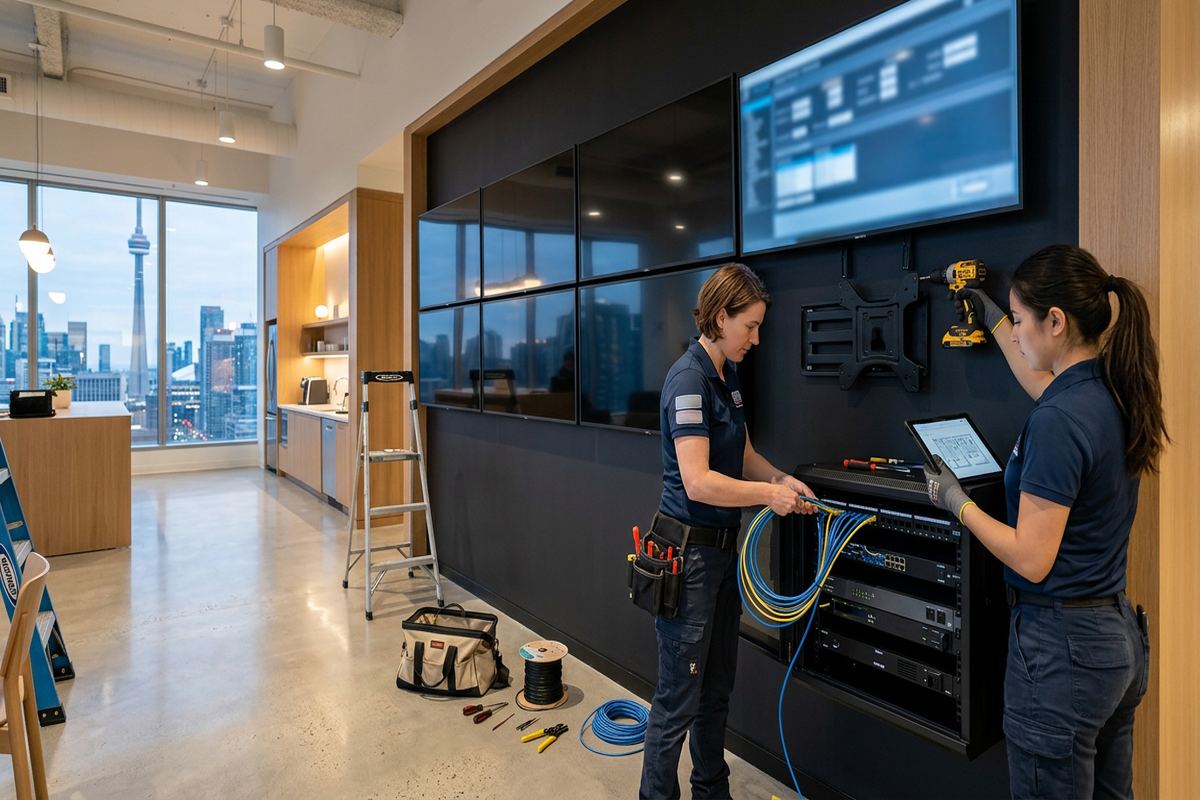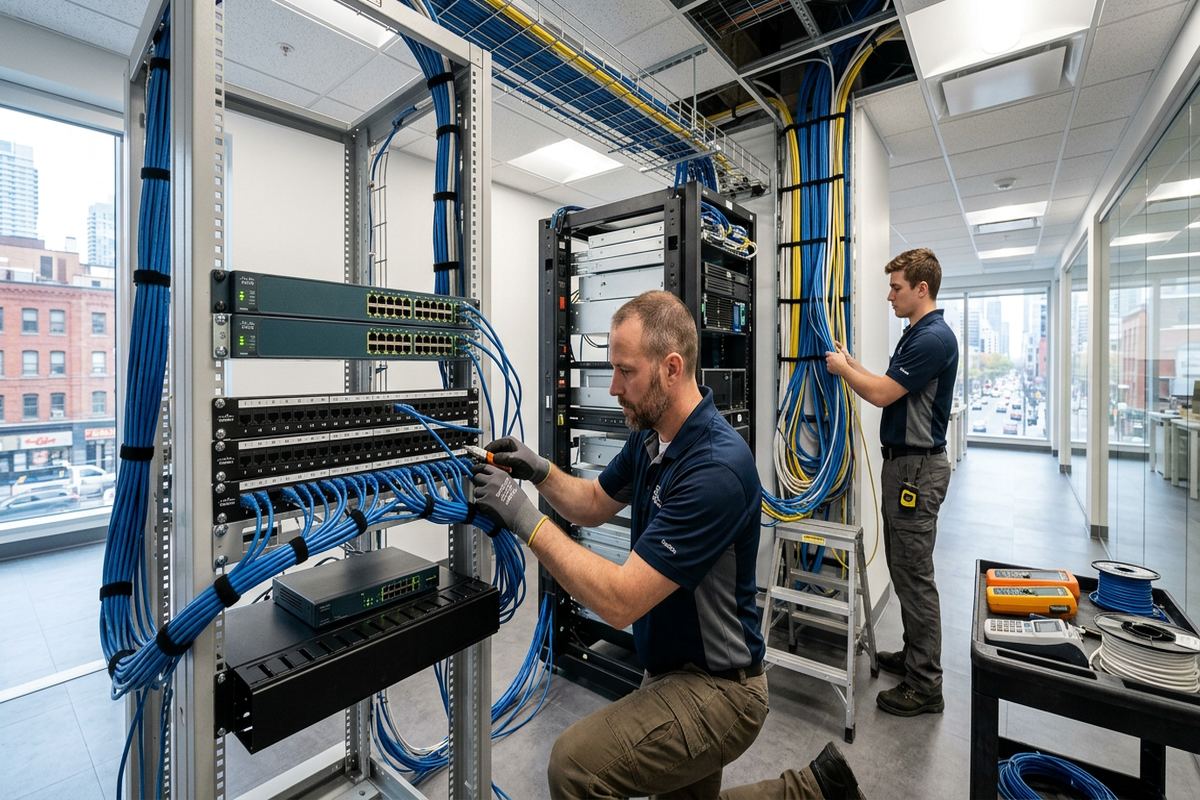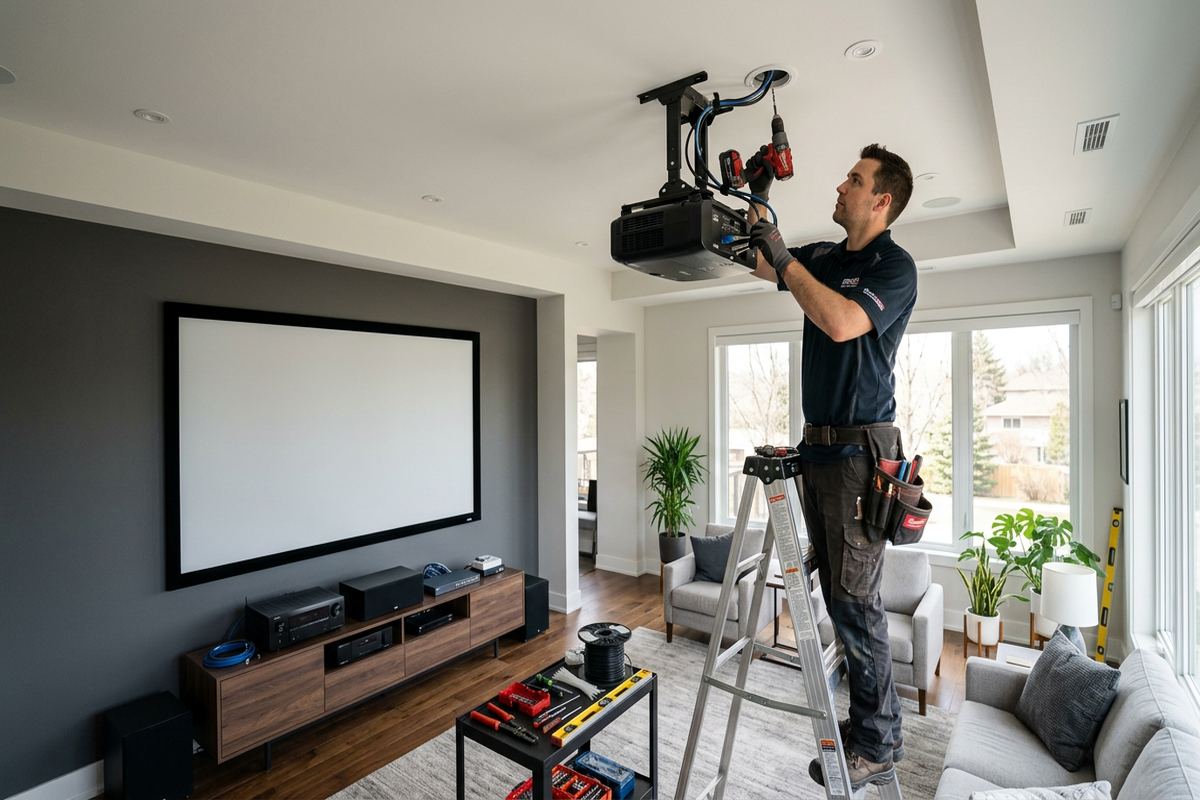
UnifiedLink installs wireless alarm systems for homes, shops, offices and industrial units across Cambridge. We assess the property before pricing, plan sensor and control locations, configure the system on site and provide a documented handover. The installation accounts for construction materials, wireless coverage, exterior exposure, occupancy needs and the way each property will be used.

Wireless Alarm Planning for Cambridge Properties
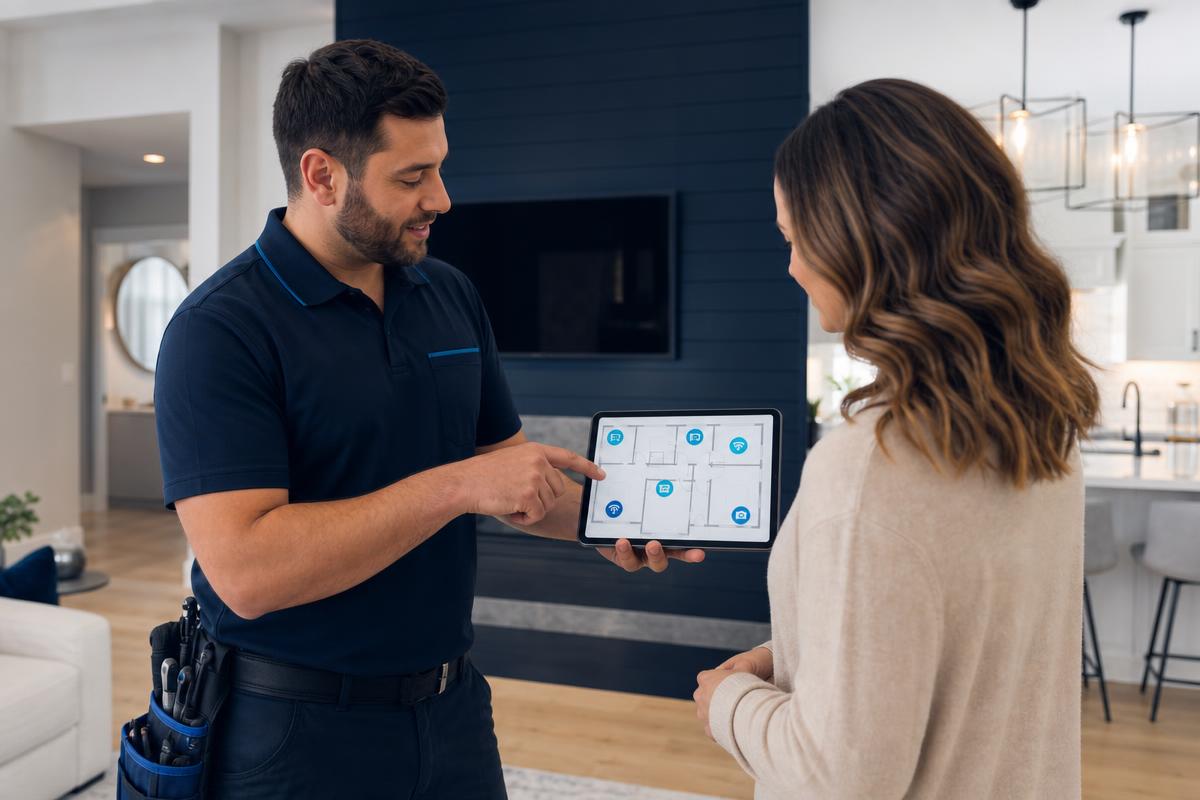
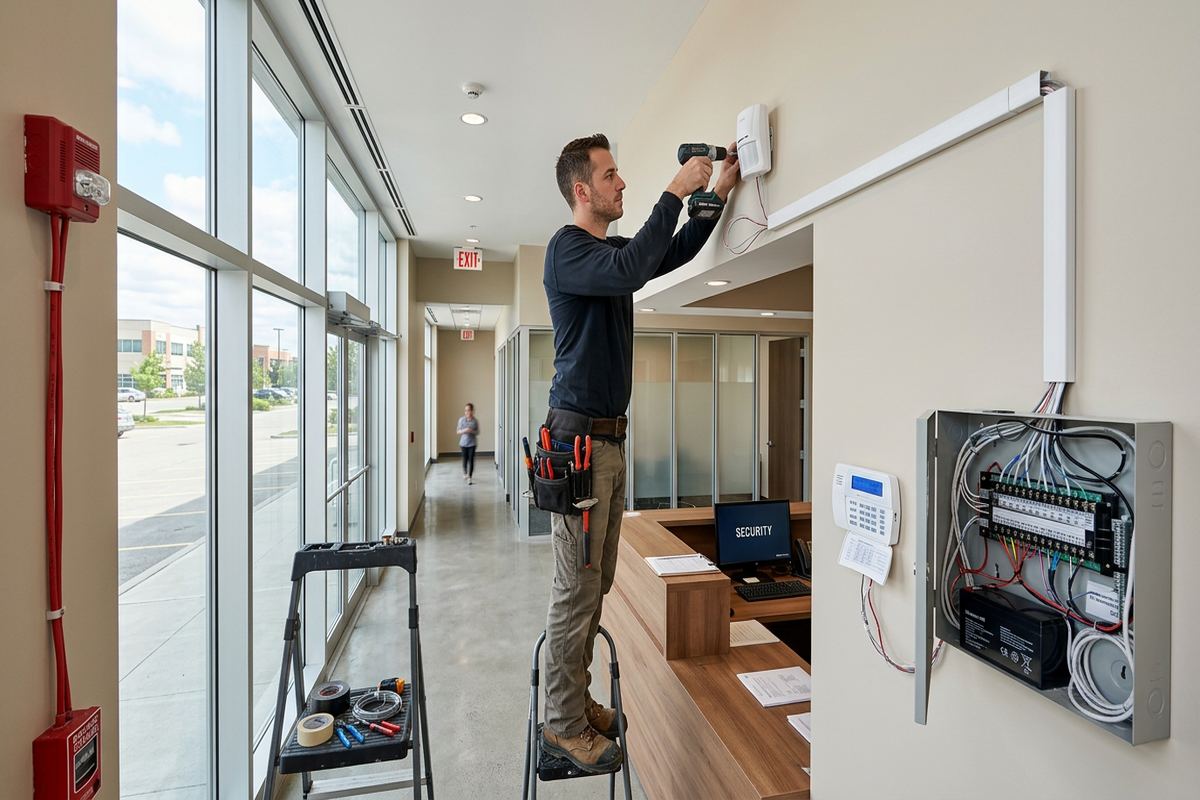
A wireless alarm should be designed around the property rather than assembled from a generic device list. During a Cambridge site assessment, UnifiedLink reviews entrances, accessible windows, attached garages, lower levels, stairways and areas containing important equipment. We also discuss normal entry routines, pets, staff access and who needs notifications. These details determine where door contacts, motion detectors, glass-break sensors, keypads, sirens and control equipment belong. The resulting plan aims to provide useful detection without creating unnecessary devices, awkward operation or avoidable false alarms during ordinary daily activity.
Cambridge properties range from stone heritage buildings to newer frame homes, commercial strips and industrial units. Each type affects wireless signals differently. Thick masonry, metal cladding, concrete floors, mechanical rooms and long floor plans can weaken or redirect radio communication between sensors and the alarm hub. A site visit lets us evaluate these obstacles before equipment is selected. Where signal paths are difficult, the design may use adjusted device locations, compatible repeaters or a different control position rather than assuming every sensor will communicate reliably from the most convenient mounting point.
Before pricing, UnifiedLink prepares the basis for a written scope that identifies equipment, proposed device placement, cable routes where any wiring is required, exclusions, equipment ownership and warranty details. This is particularly important when a wireless system includes hardwired power, network connections, communicators or sirens. Cambridge customers can review what is included before installation begins and understand which parts remain dependent on internet, cellular service or batteries. Site assessment timing depends on the requested service and travel distance, so scheduling is confirmed after the property and project requirements are discussed.
- Entry, window and interior detection review
- Wireless signal and obstruction assessment
- Pet and occupancy requirements considered
- Control panel and keypad location planning
- Written equipment and installation scope
Choosing Wireless Alarm Devices in Cambridge
Device selection starts with the risks and routines identified during the assessment. Door and window contacts report openings, while motion detectors cover movement through selected interior areas. Glass-break sensors may support rooms with several accessible panes, and water or low-temperature sensors can extend monitoring beyond intrusion when compatible equipment is chosen. In Cambridge homes, a practical combination often matters more than placing a sensor everywhere. Devices must work together through the selected alarm platform, fit the mounting surfaces and provide understandable zone information when an event or maintenance warning appears.
Wireless does not mean every component operates without wires. The main control unit may need electrical power, an internet connection or a wired link to another device. Keypads, sirens and communicators also vary by platform. UnifiedLink identifies these requirements in the scope so power outlets, network access and any cable paths are considered before installation. If cable is needed, we use continuous labelled runs rather than undocumented joins. This approach keeps the system easier to inspect and helps avoid confusion when equipment is serviced, expanded or transferred to a new owner later.
Battery-powered sensors require a maintenance plan. Battery life varies with the device, signal conditions, activity levels, temperature and manufacturer specifications, so it should not be treated as a fixed universal interval. During handover, the customer is shown how to identify low-battery messages and which device generated them. For exterior or unheated locations around Cambridge, temperature ratings need particular attention. A sensor intended for a conditioned interior should not be placed in a cold detached structure or exposed enclosure unless its documented operating range and environmental protection suit that location.
- Door and window contacts
- Interior motion detection
- Compatible glass-break sensors
- Environmental sensors where appropriate
- Power, network and battery requirements
Installation in Masonry and Heritage Buildings
Stone heritage buildings in areas such as Galt and Blair require careful mounting decisions. Uneven stone, deep window recesses, thick trim and previous alterations can make standard contact placement unsuitable. Drilling also needs to be limited to locations that are structurally appropriate and accepted by the property owner. Wireless equipment can reduce new cable routes through finished walls, but it does not remove the need for secure mounting or reliable communication. We assess whether sensors can be fixed to trim, frames or adjacent surfaces while maintaining alignment and avoiding unnecessary disturbance to visible materials.
Masonry and frame construction behave differently during wireless alarm installation. In a frame house, signals may pass through interior drywall and timber with fewer obstacles, although foil insulation, ductwork and appliances can still interfere. Stone, concrete block and brick can reduce range, especially across several walls or floors. UnifiedLink tests intended locations rather than relying only on nominal product ranges. The control panel may be positioned more centrally, or a sensor may be shifted slightly to maintain communication while still protecting the intended opening, room or travel path effectively.
Historic character does not automatically mean that equipment can be hidden completely. A concealed position may compromise motion coverage, contact alignment, sound output or access for battery replacement. The installation plan balances appearance with operation and maintenance. Where landlord, condominium, heritage or property-management approval is required, the customer is responsible for obtaining authorization before work begins. The written scope can identify proposed mounting points and penetrations to support that review. Any restriction discovered after assessment should be resolved before equipment is ordered or fixed to the building.
- Mounting options for uneven stone
- Reduced disturbance to finished surfaces
- Signal testing through thick masonry
- Accessible battery replacement locations
- Approval-ready placement details
Cambridge, Ontario
Wireless alarm installation in Cambridge, scoped in writing first
Book a site assessment and get equipment, routes, exclusions, and warranty on paper before anything is installed.
Cambridge Weather and Exterior Alarm Equipment
Cambridge winters introduce temperature changes, snow, moisture and repeated freeze-thaw cycles that affect exterior installations. Outdoor-rated equipment must be selected for the expected environment and mounted where water is less likely to collect around the enclosure. Cable entries, fasteners and penetrations require suitable sealing, while drainage paths and manufacturer orientation must remain intact. Indoor wireless contacts should not be repurposed outdoors simply because they fit the opening. An exterior gate, overhead door or detached structure may need a purpose-built device with appropriate temperature, moisture and enclosure ratings.
Exterior mounting surfaces also change over time. Brick joints, concrete, siding and wood trim expand, contract and weather differently, and a poorly placed fastener or seal can allow moisture into the building envelope. UnifiedLink plans penetrations around the actual wall assembly and uses mounting methods suited to the surface. Where a device requires a cable for power or communication, the route and entry point are documented. The goal is a stable installation without blocking weep paths, trapping water behind equipment or leaving exposed openings that deteriorate through Cambridge freeze-thaw conditions.
Detached garages, sheds and perimeter doors need additional wireless assessment because distance is only one factor. Exterior walls, metal garage doors, vehicles and neighbouring radio activity can affect communication with the main alarm panel. Cold temperatures may also influence battery performance. During assessment, we determine whether the proposed device can communicate reliably from its intended position and whether another approach is needed. Customers should understand any dependency on a repeater, network connection or secondary power source. These requirements are included in the scope instead of being added without explanation during installation.
- Outdoor-rated device selection
- Sealed exterior cable penetrations
- Mounting suited to brick or siding
- Freeze-thaw exposure considered
- Detached-building signal assessment
Alarm Installation for Cambridge Businesses
Commercial alarm design must reflect opening procedures, employee movement and the physical layout of the business. In Cambridge commercial strips, neighbouring units, shared entrances, rear service doors and suspended ceilings can influence device placement. A shop may need separate detection for public, stock and office areas, while a professional office may prioritize controlled entry and after-hours movement. UnifiedLink maps alarm zones in language users can recognize, making event messages and arming decisions clearer. The design also considers cleaners, delivery schedules and staff who need access outside standard operating hours.
Industrial parks present different constraints, including long units, concrete block walls, steel structures, loading doors and equipment that can obstruct wireless paths. Motion detectors must be positioned with regard to racking, machinery, heat sources and changing storage arrangements. An overhead door contact needs appropriate clearance and mounting hardware, not a residential contact improvised for the application. Where one panel cannot communicate dependably across the unit, we explain the available design options. The assessment also identifies network, power and communicator locations so installation does not interfere with production areas or service access.
Business owners may want intrusion alarms coordinated with cameras or access control, but each system has a distinct role. An alarm detects defined events and generates local or remote notifications according to its configuration. Cameras provide visual information, while access control manages authorized entry. UnifiedLink can plan these systems through one accountable contractor when they are included in the agreed scope. We document equipment ownership and relevant exclusions, including any third-party monitoring, internet or cellular services. This prevents assumptions about subscriptions, dispatch services or integrations that have not been specifically selected and configured.
- Retail and office zone planning
- Industrial-unit wireless assessment
- Loading and overhead door contacts
- Staff arming permissions
- Coordination with cameras or access control
Homes, Condos and Rental Properties
Homes in Preston, Hespeler, West Galt and Clemens Mill include varied layouts, additions and construction periods. An older home may have thick plaster, masonry sections or renovated openings, while a newer frame home may contain foil-backed materials, dense mechanical spaces or an attached garage. Wireless installation reduces the need to open finished walls, but sensor positions still require testing. We plan coverage around how residents enter, sleep, use lower levels and move with the system armed. Pet movement is discussed before motion detectors are selected or programmed.
Condominium installations require attention to ownership boundaries and building rules. The resident may control devices inside the unit but not be permitted to drill exterior frames, common walls or corridor-facing doors. Shared wireless networks and dense neighbouring equipment can also make careful panel and communicator placement important. UnifiedLink can provide proposed mounting details within the written scope, but the customer must obtain condominium approval where required. We avoid assuming that a device can be attached to a common element simply because it is accessible from inside the unit.
Rental properties create similar approval and handover questions. A tenant should confirm permission before devices are fastened to doors, windows or walls, and a landlord should decide who owns the equipment and controls administrative access. Those details are recorded in the scope. At completion, the system is handed over using the customer’s own credentials rather than an installer-owned account. We also provide an as-built record showing installed devices and relevant locations. This makes responsibilities clearer when occupants change or when the property requires later service or expansion.
- Advice for older and newer homes
- Pet-aware motion planning
- Condo mounting restrictions reviewed
- Landlord approval requirements identified
- Customer-owned administrative credentials
Configuration, Testing and Cambridge Handover
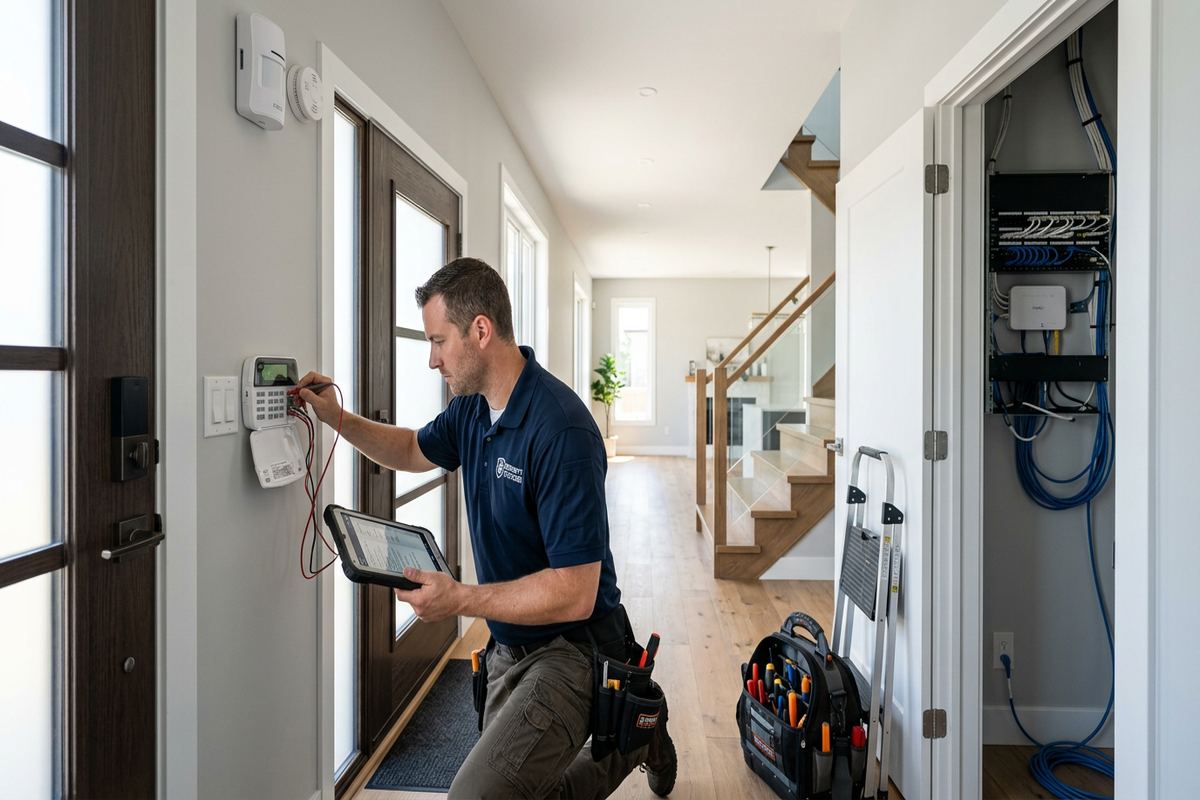
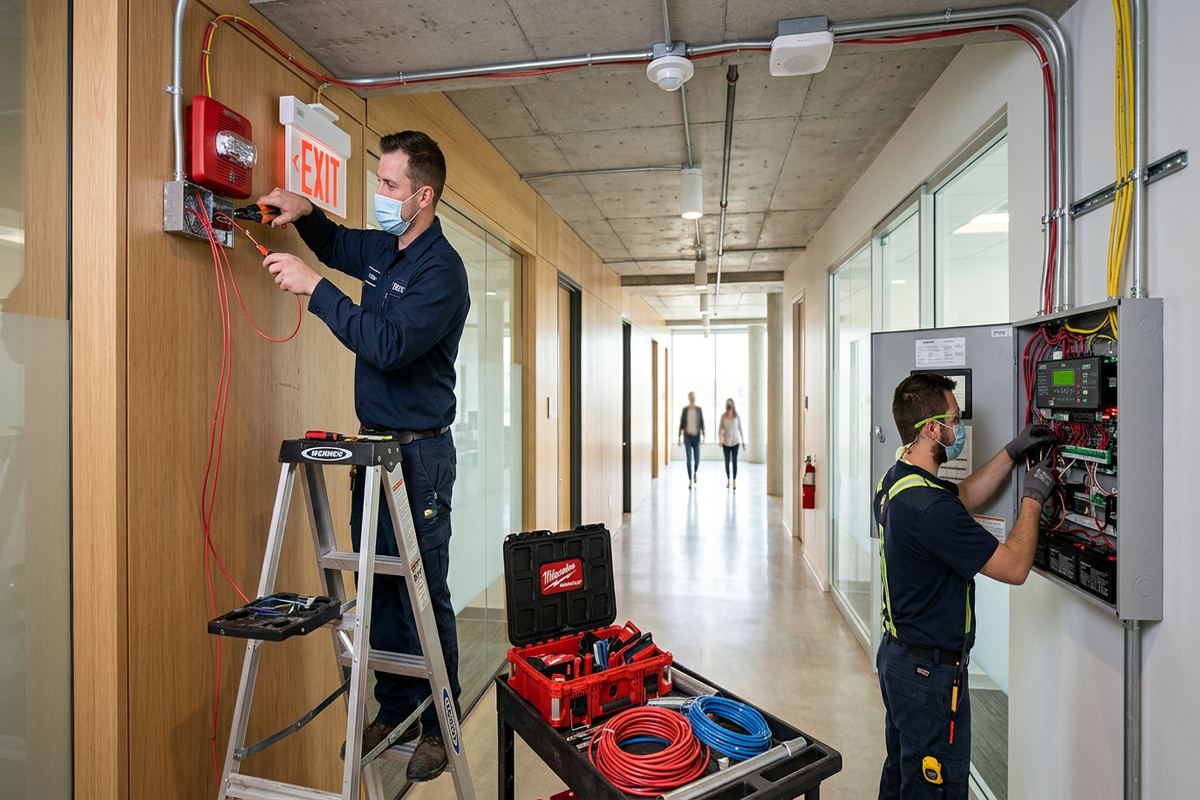
Once devices are mounted, each alarm zone is enrolled, named and configured on site. Names should identify the actual location, such as “rear loading door” or “basement east window,” instead of an unexplained device number. We test door and window operation, motion coverage, tamper conditions, audible alerts and communication between sensors and the panel. If app access or notifications are included, they are configured with the customer’s own credentials. Any dependence on internet, cellular service or a third-party platform is explained as part of the handover.
Testing also includes practical user scenarios. Cambridge homeowners may need a night arming mode that protects perimeter openings while allowing movement between bedrooms and washrooms. Businesses may need separate user codes and a clear procedure for opening, closing or responding to a fault. UnifiedLink demonstrates the agreed functions on the installed equipment and reviews what warning messages mean. Users learn how to arm and disarm, bypass an authorized zone, identify a low battery and contact the appropriate party when the system reports a communication or device problem.
The completed handover includes an as-built record of the alarm installation and the written scope information relevant to the finished work. Device locations, zone names and any labelled cable runs are documented so the system is not dependent on memory. Equipment ownership and warranty details remain clear, along with exclusions such as services supplied by others. One accountable contractor manages the installation scope, configuration and handover. Requests sent during business hours are answered the same day; after-hours requests are answered the next business day. Site assessment timing varies by service and travel distance.
- Descriptive alarm zone names
- Sensor and tamper testing
- Customer-owned account credentials
- User operation demonstration
- As-built system record
Maintaining and Expanding a Wireless Alarm
Wireless alarm systems need periodic attention even when no intrusion event occurs. Users should respond to low-battery, tamper, supervision and communication warnings rather than clearing them without finding the cause. Doors and windows can shift, and renovations may change contact alignment or motion coverage. In Cambridge, seasonal movement and freeze-thaw effects can be especially relevant at exterior openings, garages and additions. A simple visual check can identify loose devices, damaged covers or obstructed detectors, while functional testing confirms that each zone still reports correctly to the panel.
Changes to the property should trigger a review of the alarm layout. New partitions, metal shelving, machinery, replacement windows or a renovated entrance can alter detection and wireless communication. In an industrial unit, inventory racks may block a motion detector that previously covered an open floor. At home, a new pet or changed sleeping routine may require different programming. Adding devices without checking platform compatibility, panel capacity and signal conditions can produce an unreliable result. UnifiedLink assesses expansion requirements and updates the documented device and zone information when work is completed.
A wireless alarm is most useful when the people responsible for it understand its limits. It cannot prevent every incident, and notifications depend on the configured communication path, functioning equipment and available services. Customers should keep their contact information current, protect administrative credentials and know which party provides monitoring if monitoring is selected. They should also retain the as-built record and written scope for future service. When ownership or occupancy changes, credentials and user codes should be reviewed promptly so former users do not retain access to the Cambridge property’s alarm controls.
- Battery and fault-message review
- Contact alignment checks
- Coverage review after renovations
- Compatible system expansion
- Credential updates after occupancy changes
Cambridge neighbourhoods we cover
- Galt
- Preston
- Hespeler
- Blair
- West Galt
- Clemens Mill
Wireless alarm installation in Cambridge — common questions
Will a wireless alarm work through stone walls?
It may, but thick stone and masonry can reduce wireless range or create inconsistent paths. This is relevant in some Galt and Blair properties. UnifiedLink assesses the intended sensor locations and tests communication before finalizing placement. A more central panel location, adjusted sensor position or compatible repeater may be required. Nominal manufacturer range alone is not enough to confirm performance inside a particular building.
Do wireless alarms need internet service?
Basic local alarm functions may not require internet, depending on the selected platform, but app control, remote notifications and some integrations often depend on internet or cellular communication. During the Cambridge site assessment, we identify the required connections and explain what happens during an outage. Any third-party service, monitoring arrangement or subscription is treated separately and included only when it forms part of the written scope.
Can you install an alarm in my condo?
Yes, subject to the condominium’s rules and the available mounting locations. Cambridge condo owners may need approval before drilling common walls, exterior frames or corridor-facing doors. We can document proposed device locations in the scope to support that review. The customer remains responsible for obtaining required approval. Wireless equipment can reduce cabling, but it does not automatically remove restrictions involving common elements or building systems.
Are wireless sensors suitable for garages?
They can be when the equipment is rated for the garage environment and communicates reliably with the panel. Cambridge winters, unheated spaces, metal overhead doors and distance from the house can affect battery performance and radio communication. We assess temperature exposure, mounting surfaces and signal conditions. A detached garage may require adjusted placement, compatible repeating equipment or another design rather than a standard indoor sensor installed without testing.
Can staff have separate alarm codes?
Compatible business alarm platforms can provide separate user codes or permissions for staff. This helps a Cambridge business manage opening, closing and changes in personnel without sharing one code. Available audit and notification functions depend on the chosen equipment and service configuration. During handover, we demonstrate the agreed user-management process and provide administrative access through the customer’s own credentials, not an installer-controlled account.
What happens after the installation is complete?
UnifiedLink tests the installed sensors, zone reporting, tamper conditions, audible alerts and configured communication features. We demonstrate normal operation and explain common fault messages. The Cambridge customer receives access using their own credentials, along with an as-built record of device locations and zone names. The written scope also identifies equipment ownership, warranty details and exclusions, including any third-party services that are not part of the installation.
Coverage in Cambridge is confirmed against the address before we quote. See everything we install in Cambridge or the province-wide wireless alarm installation page.