UnifiedLink installs home alarm systems across Cambridge, including Galt, Preston, Hespeler, Blair, West Galt and Clemens Mill. Each installation starts with a site assessment so sensors, keypads, cabling and communication paths suit the property. We account for masonry, finished interiors, exterior exposure, additions and approval requirements before providing a written scope.
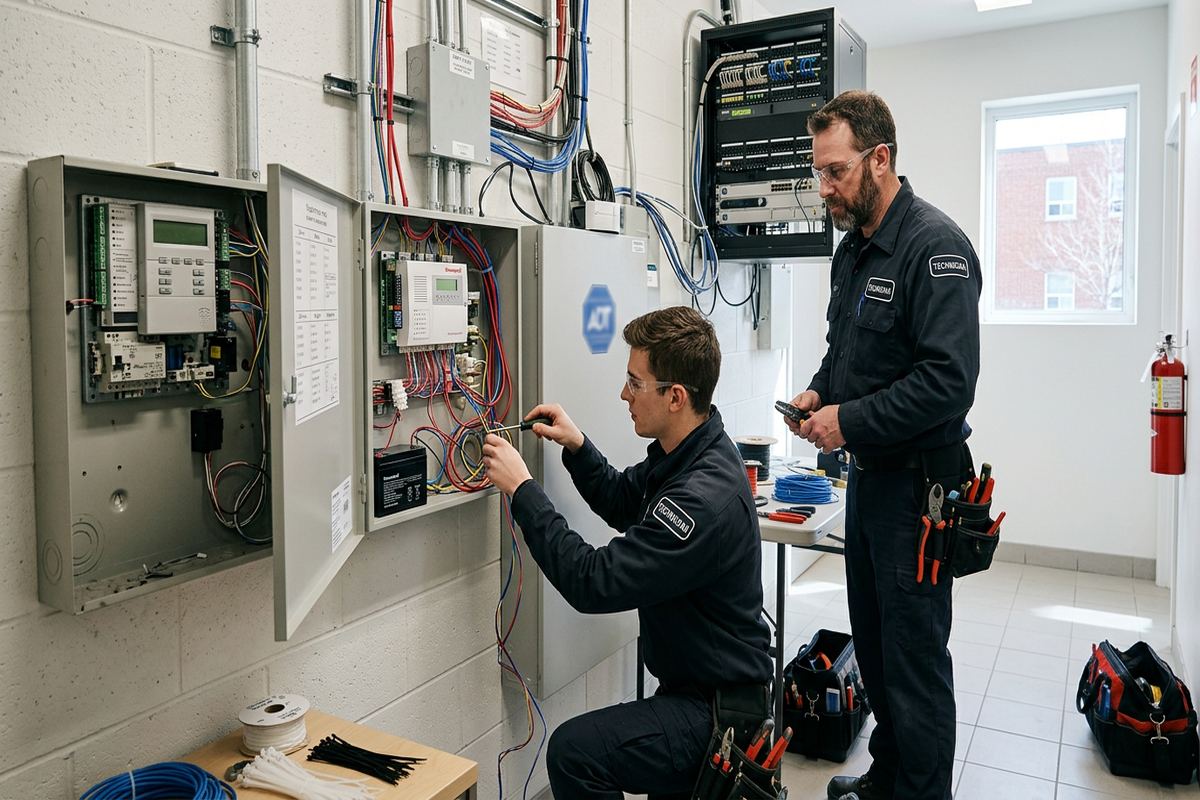
Home Alarm Planning for Cambridge Properties
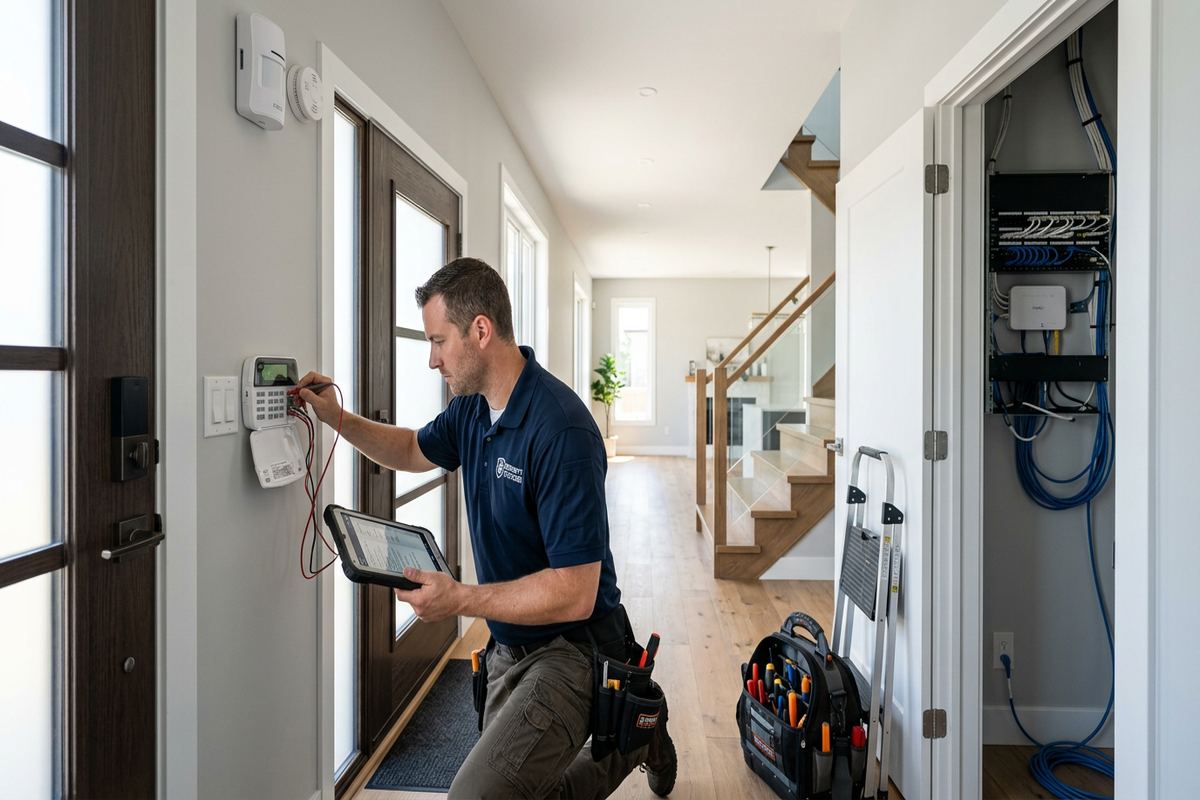
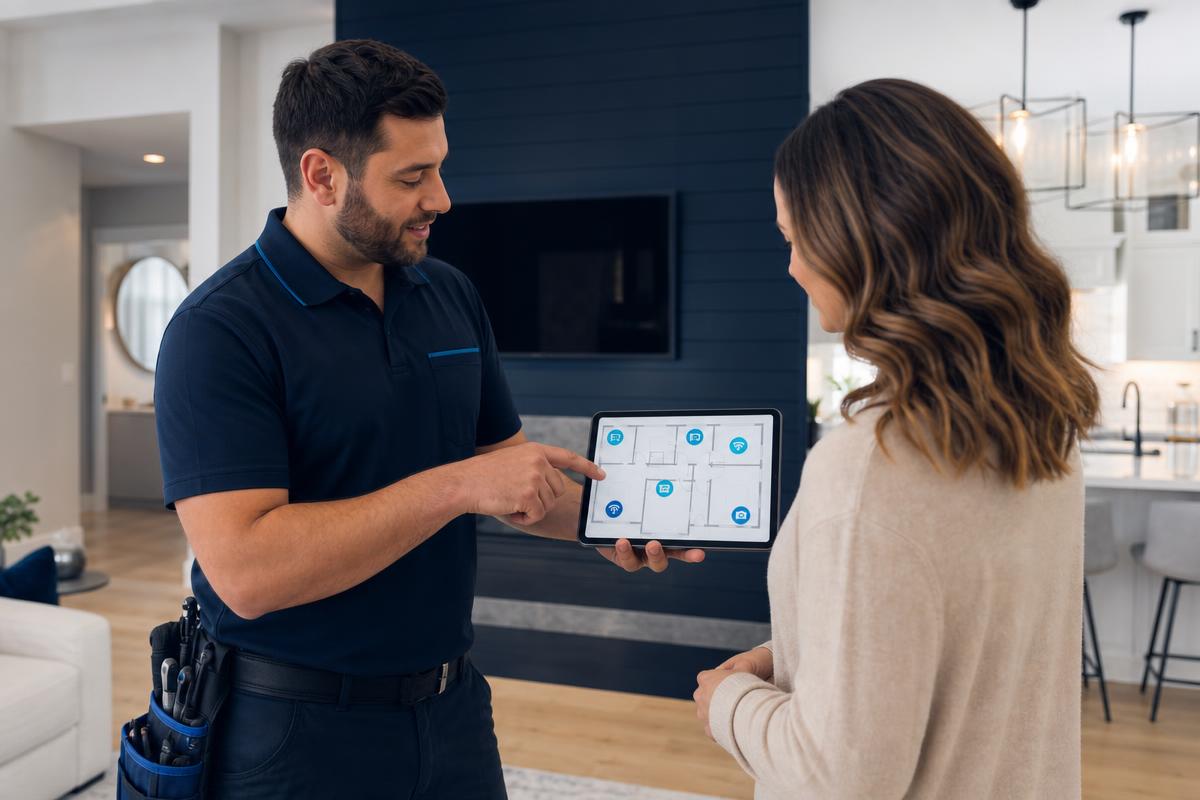
A useful alarm system begins with the building rather than a standard equipment package. During a Cambridge site assessment, UnifiedLink reviews entry doors, accessible windows, attached garages, basement access, stair routes and areas where occupants normally enter or leave. The assessment also considers pets, daily routines, internet equipment and available power. This information helps determine whether the property needs door contacts, motion detectors, glass-break detection, environmental sensors, keypads or other devices. Recommendations are then matched to practical risks instead of filling the house with unnecessary hardware.
Cambridge housing varies considerably between neighbourhoods, and installation methods need to follow that variation. A stone heritage building in Galt may require discreet routes that avoid damage to visible masonry or original trim. A newer frame house in Clemens Mill may offer accessible stud cavities but have finished basements that limit vertical cable paths. Riverside neighbourhoods can introduce damp areas, detached structures and exterior access points. The plan accounts for construction type, room finishes and service access before drilling, fastening devices or selecting wired and wireless components.
After the assessment, customers receive a written scope covering the proposed equipment, device placement, cable routes, exclusions, equipment ownership and warranty. This document makes clear what will be installed and what preparation or approval may still be required. It can also identify areas where concealed conditions could change the route once work begins. Pricing follows the assessment rather than being based on assumptions about floor area alone. That approach helps align the alarm design, installation method and final handover with the actual Cambridge property.
- Entry, window and garage access review
- Wired and wireless option assessment
- Pet and household routine considerations
- Documented device locations and cable routes
- Clear equipment ownership and warranty terms
Choosing Alarm Devices in Cambridge
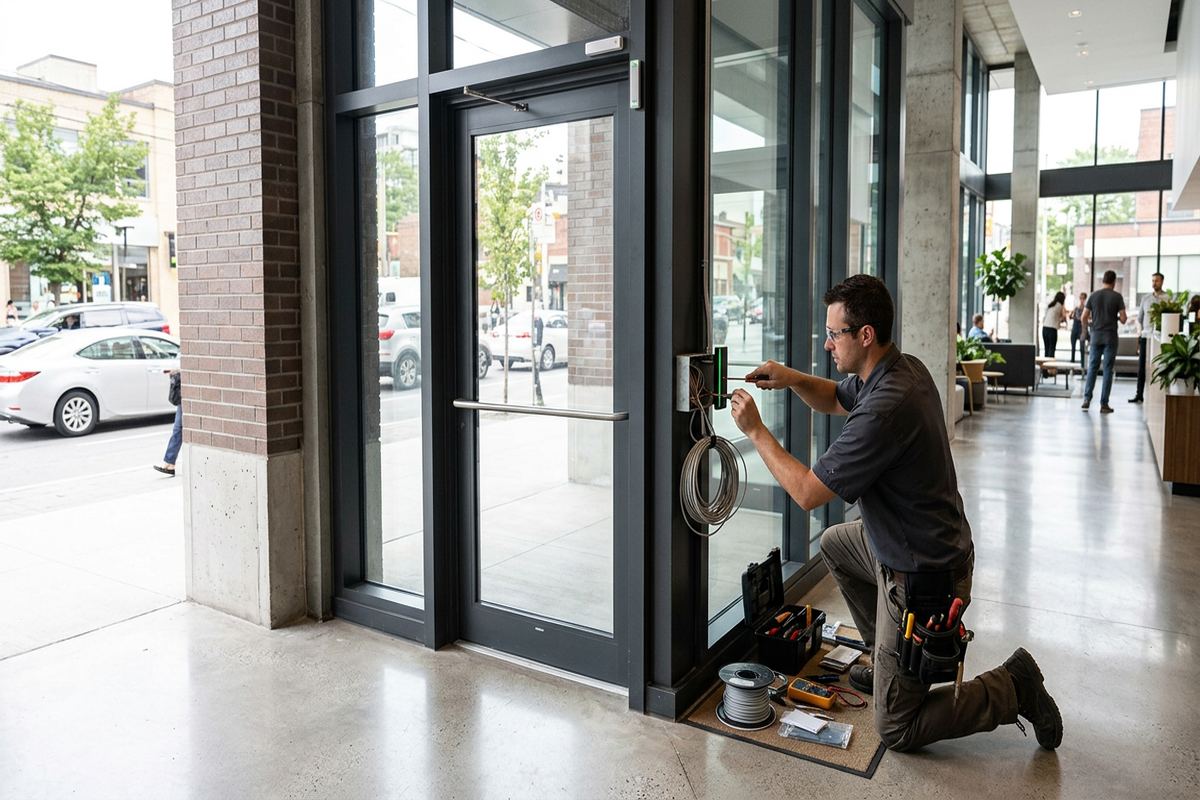
Sensor selection should reflect how an intrusion could occur and how the occupants use each space. Door contacts provide direct status at regularly used entrances, while motion detectors can cover interior travel paths when the building is vacant. Glass-break detectors may suit rooms with several accessible panes, but they require careful positioning and compatible room acoustics. Keypads belong where users can arm or disarm without crossing protected areas unnecessarily. In Cambridge homes with an attached garage or lower-level entrance, separate zones can make status information easier to understand and faults easier to investigate.
Wireless devices can reduce disruption in finished homes, heritage interiors and areas where new cable routes are impractical. Wired devices remain useful where framing, unfinished basements or renovation work provides dependable pathways. Many Cambridge properties benefit from a combined approach rather than an all-wired or all-wireless design. Battery access, radio range, wall materials and future servicing all affect that decision. Thick masonry, foil-backed insulation and multiple additions can influence wireless communication, so device locations are checked on site instead of being selected only from a floor plan.
An alarm system can also include smoke, heat, carbon monoxide, low-temperature or water-related devices where the selected platform supports them and where their use is appropriate. These devices do not replace required building systems or code-compliant life-safety equipment. Their role and limitations should be clear in the written scope. For houses left unattended during parts of a Cambridge winter, low-temperature or water detection may provide useful information, but sensor position matters. Mechanical rooms, exterior walls and poorly heated areas can behave differently during prolonged cold or rapid freeze-thaw cycles.
- Door and window contacts
- Interior motion detection
- Glass-break detection where suitable
- Keypads and arming stations
- Compatible environmental sensors
Wired and Wireless Alarm Installation
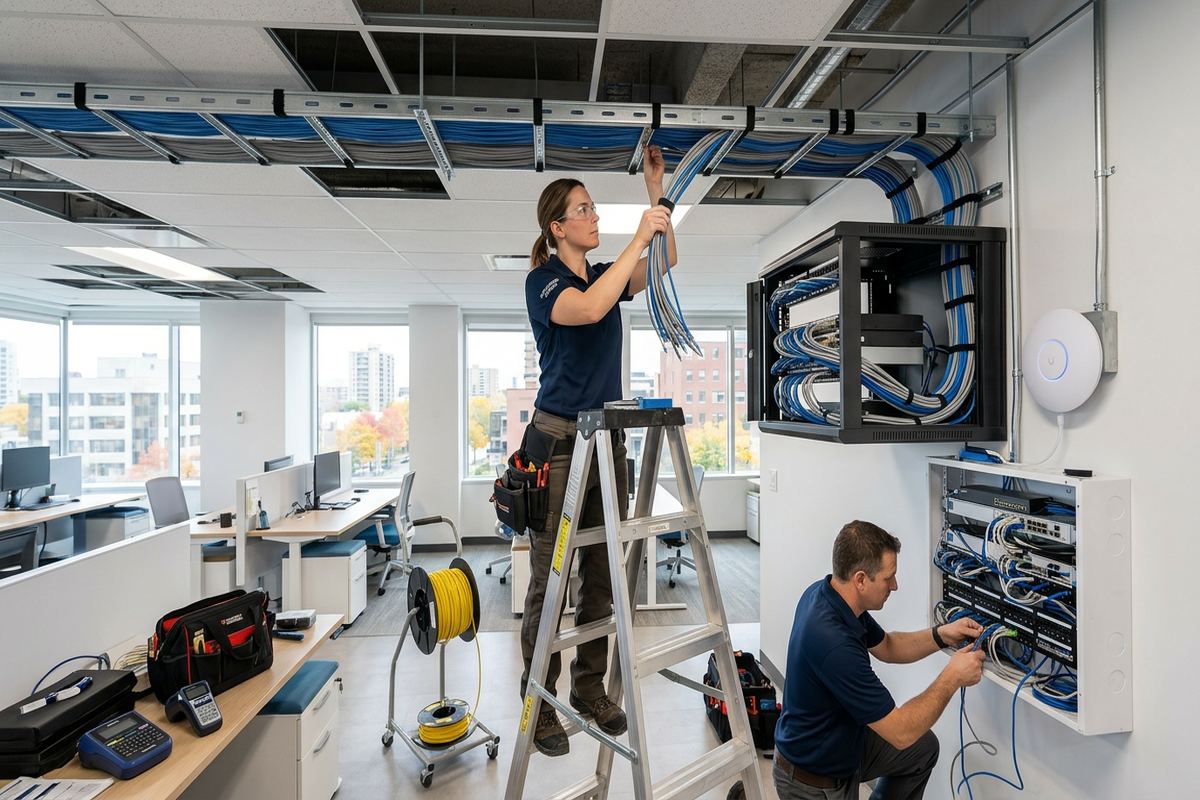
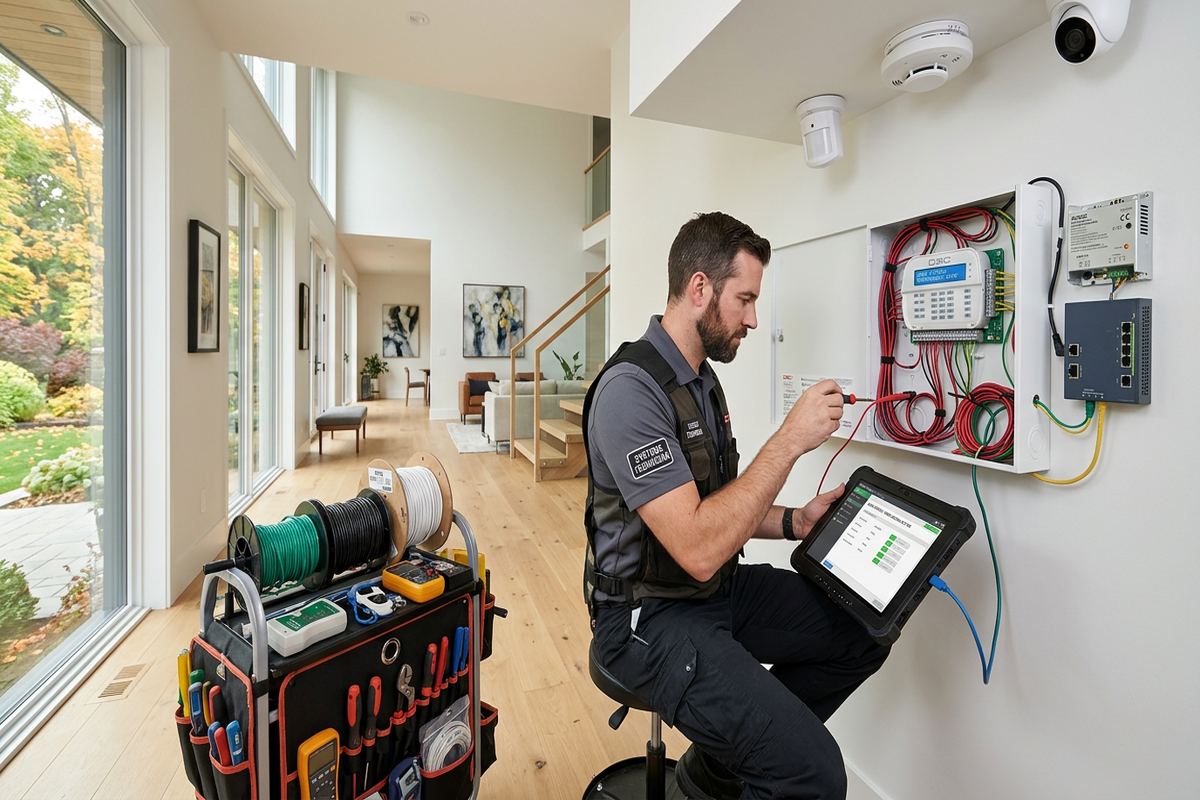
Cable installation is planned to protect finishes while keeping the system serviceable. Where wired devices are used, UnifiedLink installs continuous labelled cable runs rather than piecing together undocumented sections. Routes may follow unfinished basement ceilings, utility spaces, closets or accessible framing, depending on the property. In finished Cambridge homes, the least visible route is not always the safest or most maintainable route, so access requirements are discussed before work starts. Penetrations, device backings and transitions between construction materials are considered as part of the installation rather than treated as last-minute details.
Masonry and frame construction require different fastening and routing methods. Stone and brick can be irregular, brittle or difficult to conceal within, while frame walls may contain insulation, plumbing, electrical wiring and fire blocking. In Galt or Blair, an older building may also have additions constructed in different periods, creating several wall types within one property. Installers assess each surface before mounting contacts, detectors or keypads. Visible raceway may sometimes be more appropriate than invasive cutting, particularly where original finishes, rental conditions or future access make concealed installation unsuitable.
Wireless installation still requires technical planning. Devices must communicate reliably with the alarm panel, remain accessible for battery replacement and avoid positions that create frequent false alarms. Signal paths can be affected by masonry, metal ductwork, appliances and the distance between floors. The panel also needs appropriate power, network or communication access and a location protected from casual interference. UnifiedLink configures devices on site, tests zone reporting and confirms that labels correspond with actual rooms and openings. Customers are shown routine battery and fault indications during handover.
- Continuous labelled cable runs
- Surface or concealed routes as appropriate
- Wireless signal checks on site
- Secure panel and keypad placement
- Zone labels matched to actual locations
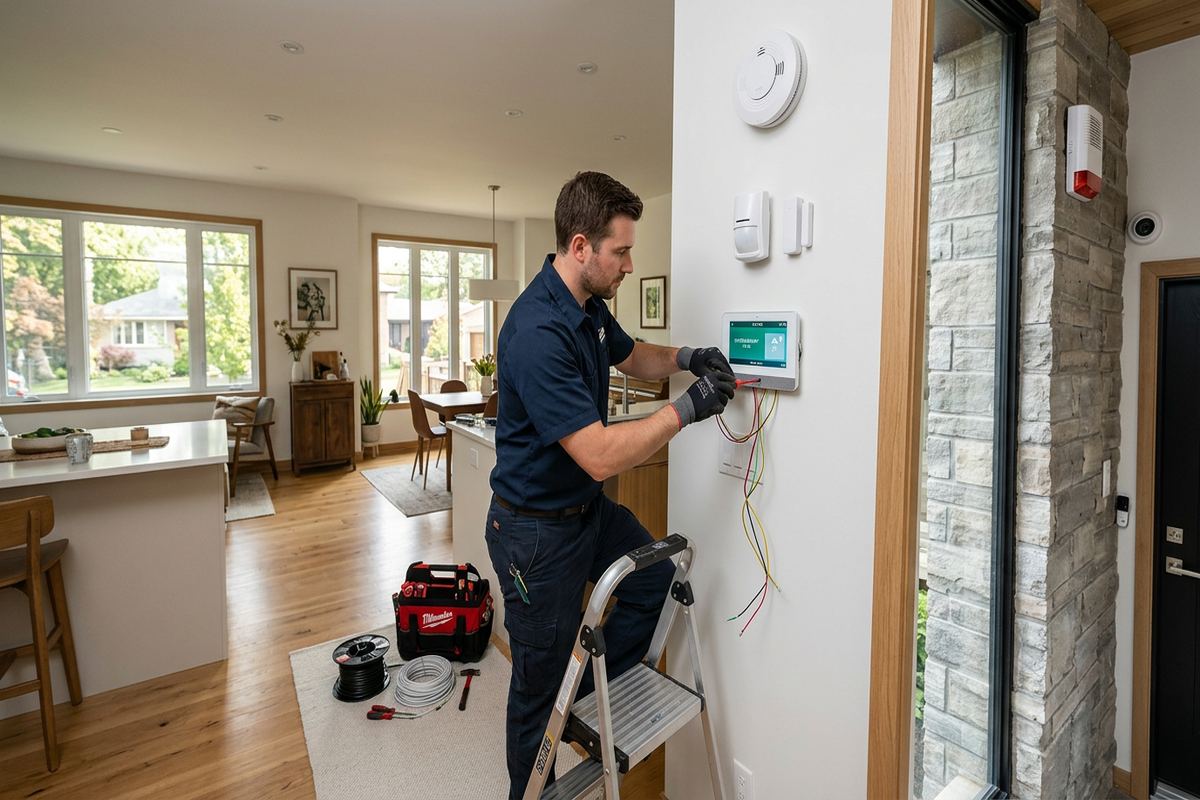
Cambridge, Ontario
Home alarm system installation in Cambridge, scoped in writing first
Book a site assessment and get equipment, routes, exclusions, and warranty on paper before anything is installed.
Exterior Alarm Work in Cambridge Weather
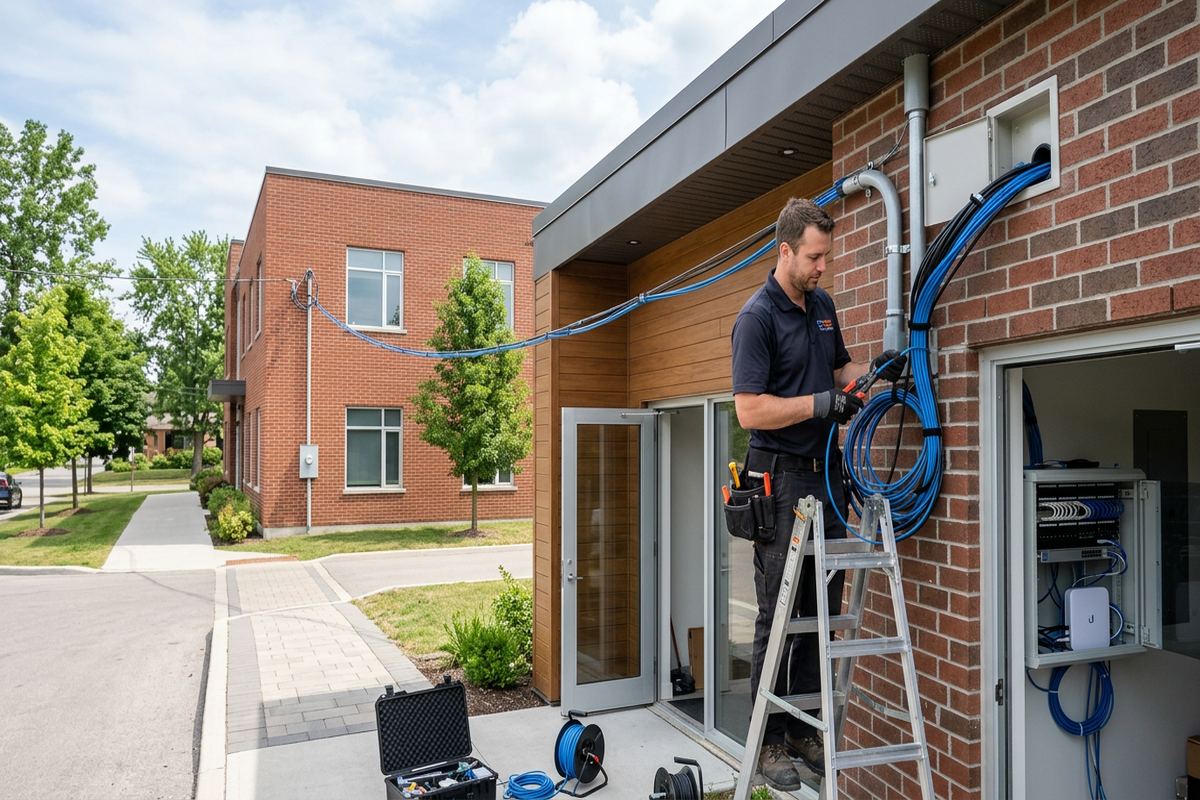
Exterior alarm devices face conditions that indoor equipment does not. Cambridge winters bring cold, moisture and repeated freeze-thaw movement that can stress seals, fasteners and cable entry points. Outdoor sirens, contacts or related devices must be suitable for the intended location and mounted with drainage and exposure in mind. A sheltered wall can behave differently from an open riverside elevation. The installation plan considers direct precipitation, snow accumulation, sunlight, physical impact and access for future service before any exterior device or junction point is attached.
Penetrations through brick, stone, siding or foundation material need deliberate sealing. A hole that appears minor can provide a path for water or air if the cable slopes incorrectly or the sealant does not suit the surface. UnifiedLink plans exterior cable entries to limit exposed cable, protect bends and maintain a serviceable transition indoors. Heritage stone requires particular care because mortar joints and individual stones do not respond like modern brick veneer. Mounting methods are selected according to the substrate rather than relying on one fastener or seal for every Cambridge building.
Detached garages, sheds and gates require additional assessment because distance, power availability and communication strength can limit device choices. A wireless contact that works near the main panel may not remain dependable through several exterior walls or across a property. Underground or outdoor cable routes also need suitable pathways and protection; ordinary indoor cable is not used as an exposed shortcut. Where a separate structure cannot be integrated sensibly, that limitation is documented. The goal is a maintainable design that reflects local weather, construction and actual communication conditions.
- Weather-suitable exterior equipment
- Sealed and protected cable entries
- Mounting matched to masonry or siding
- Freeze-thaw exposure considered
- Detached-building communication assessment
Alarm Installation for Condos and Rentals
Condo owners should confirm what alterations are permitted before installation. Corporation rules may restrict drilling in exterior walls, mounting in common areas, routing above shared ceilings or changing doors and windows. Some buildings also control access to telecommunications rooms or require advance notice for contractors. A Cambridge condo can often support an effective alarm using carefully placed wireless devices, but the design still needs to account for concrete construction, neighbouring radio equipment and limited panel locations. UnifiedLink identifies approval-dependent work in the scope so responsibility is clear before installation begins.
Tenants need written landlord approval for work that changes the property, including drilled cable routes, fixed keypads or contacts attached to doors and frames. Landlords may also have requirements for equipment ownership, removal at the end of a tenancy and access for maintenance. A less invasive wireless layout can reduce alterations, but adhesive or screw mounting still needs permission where required. For rental houses in Preston, Hespeler or West Galt, the assessment separates tenant preferences from building-owner decisions and records agreed exclusions before equipment is ordered or installed.
Small mixed-use buildings and apartments above commercial strips can present shared-entry and access questions. The home alarm should not interfere with doors, corridors or systems serving other occupants. Communication equipment may be located in a commercial unit, common room or locked utility area, which can complicate network connections and future servicing. Noise from a siren also needs practical consideration in attached premises. UnifiedLink defines the boundaries of the residential alarm, confirms accessible installation areas and documents any dependencies on landlord, condo corporation or property-manager approval.
- Condo alteration restrictions reviewed
- Landlord approval identified before work
- Common areas excluded unless authorized
- Equipment ownership recorded in writing
- Removal responsibilities clarified where applicable
Alarm Systems for Cambridge Mixed-Use Properties
Some Cambridge properties combine residential space with a shop, office, workshop or storage area. These layouts need more than a typical house template because occupants may use different entrances and schedules. The alarm can be divided into clearly named areas where the platform supports partitioning, allowing one section to remain armed while another is occupied. Device selection should reflect public-facing doors, delivery points, internal connecting doors and higher ceilings. A site assessment establishes whether one coordinated system or separate systems provide clearer operation and more practical ownership.
Commercial strips often have rear service doors, shared walls, display glazing and limited cable pathways above finished ceilings. Nearby industrial parks include units with metal construction, loading areas, machinery and large open interiors that can affect wireless range and motion detection. When a Cambridge business owner also wants protection for an attached or nearby residence, each environment is assessed on its own conditions. Sensors intended for a quiet hallway may not suit a workshop with temperature changes, dust or moving equipment. The written scope identifies which areas and operating conditions the proposed devices cover.
Responsibility matters when a building has several occupants. Business owners, landlords and residential users may need different codes or app access, but shared credentials create avoidable confusion. UnifiedLink configures authorized users on site and hands the system over using the customer’s own credentials. Access levels are discussed according to the capabilities of the selected equipment. If networking, monitoring arrangements or third-party services fall outside the installation scope, those exclusions are stated. This keeps the physical installation, account control and ongoing service responsibilities distinct and documented.
- Residential and work areas assessed separately
- Partitioning considered for different schedules
- Rear doors and service access reviewed
- Industrial conditions matched to sensors
- User permissions configured during handover
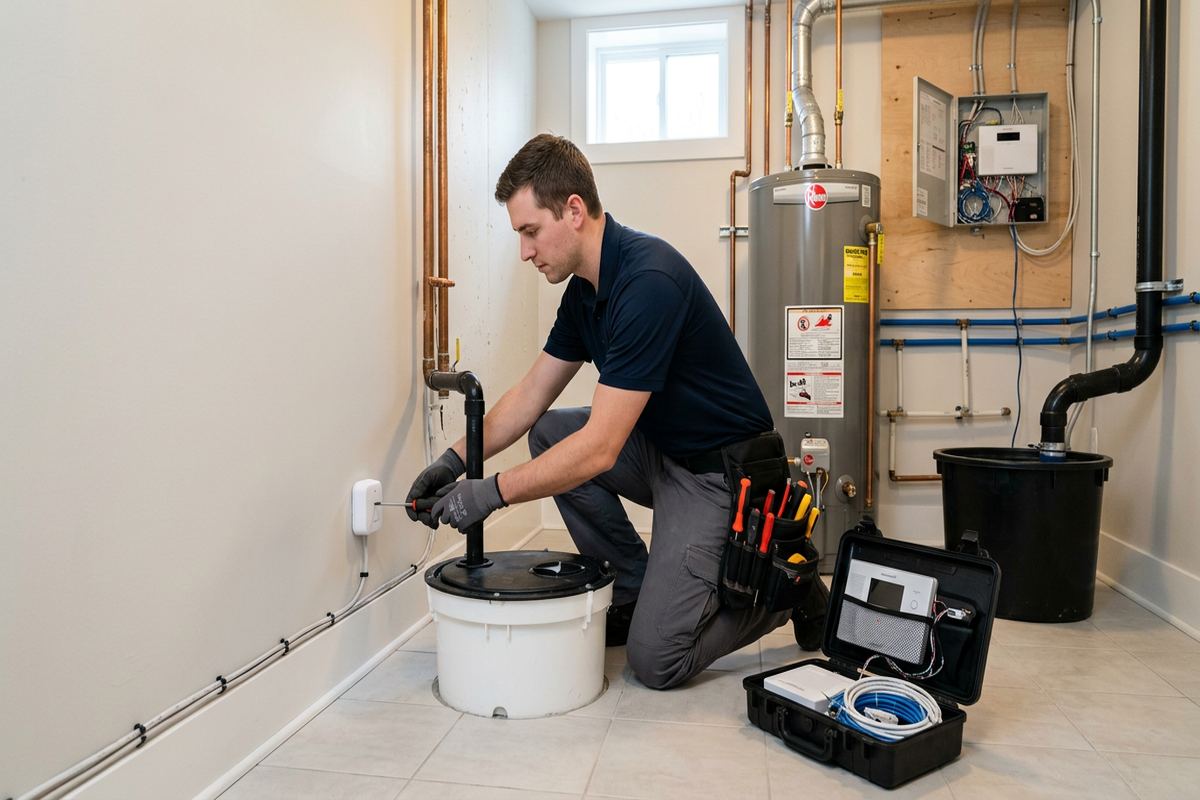
Testing and Handover in Cambridge
Commissioning verifies that the installed system behaves as documented. Each contact, detector, keypad and audible device is activated and checked at the panel. Zone names are compared with actual doors, windows and rooms so users can identify an event without decoding vague labels. Wired routes are checked for termination and labelling, while wireless devices are reviewed for communication and status. Where network or app functions are included, they are configured on site using the customer’s own credentials. Testing also confirms entry and exit delays against normal household movement.
User training covers the tasks occupants are likely to perform: arming, disarming, viewing open zones, recognizing trouble indications and managing authorized codes or app users. Cambridge households with multiple entrances may benefit from reviewing a normal departure sequence at each keypad. Customers are also shown device locations that need periodic battery access or physical inspection. Training does not assume every user has the same technical comfort. The handover explains system limitations, including areas not protected, dependencies on power or communications, and any functions supplied by a separate service provider.
The completed handover includes an as-built record showing installed devices and relevant cable or system information. It accompanies the written scope and records approved changes made during installation. This documentation is useful when renovating, replacing doors, adding an occupant or investigating a future fault. Equipment ownership and warranty details remain clear rather than being left inside an installer-controlled account. UnifiedLink serves as one accountable contractor for the scoped alarm work, from assessment and installation through configuration, testing and documented handover at the Cambridge property.
- Every installed zone function-tested
- Clear room and opening labels
- Customer-controlled credentials
- Practical arming and fault instruction
- As-built installation record provided
Arranging a Cambridge Alarm Site Assessment
Preparing for an assessment helps produce a more accurate scope. Property owners should identify the doors and windows they consider most exposed, describe normal entry routines and note any previous alarm wiring. Floor plans can help, but they do not replace viewing wall construction, panel locations and accessible routes. It is also useful to mention pets, planned renovations, unreliable internet areas, detached buildings and rooms that cannot be entered. For Cambridge heritage properties, available information about protected features or alteration restrictions should be shared before mounting options are proposed.
UnifiedLink uses the visit to examine practical installation conditions and discuss priorities with the customer. The assessment may include possible control-panel locations, keypad access, cable paths, wireless communication conditions and exterior mounting surfaces. In riverside neighbourhoods, lower-level moisture or detached structures may require closer review. In newer frame construction, finished ceilings and insulated walls can still constrain routes even when the house appears straightforward. No final layout should rely solely on property age or neighbourhood; alterations, additions and previous renovations can change the building considerably.
Requests sent during business hours are answered the same day, while after-hours requests are answered the next business day. Site assessment timing depends on the service and travel distance. After the Cambridge property has been reviewed, UnifiedLink provides the written scope before pricing, including equipment, routes, placements, exclusions, ownership and warranty information. Customers can then review assumptions and approval requirements before installation is arranged. This process keeps decisions visible and gives the installer and property owner a shared reference for the work, testing and final as-built record.
- Share renovation and approval information
- Identify pets and normal entry routines
- Point out existing alarm wiring
- Discuss detached garages or outbuildings
- Review the written scope before scheduling
Cambridge neighbourhoods we cover
- Galt
- Preston
- Hespeler
- Blair
- West Galt
- Clemens Mill
Home alarm system installation in Cambridge — common questions
Can you install an alarm in an older Cambridge home?
Yes. Older Cambridge homes are assessed for masonry, original trim, additions, finished walls and usable cable routes before equipment is selected. A stone building in Galt may call for wireless devices or visible raceway in some areas to avoid unnecessary damage. The proposed mounting and routing methods are documented in the written scope before installation.
Should I choose wired or wireless sensors?
The right choice depends on construction, accessible cable paths, finishes and wireless conditions. Wired sensors can suit renovations, unfinished basements and open framing. Wireless devices can reduce disruption in finished or heritage interiors. Many Cambridge homes use a combination. The site assessment checks masonry, metal obstructions, panel location and battery access before a layout is recommended.
Do I need condo or landlord approval?
Approval may be required if the work involves drilling, fixed devices, common areas, exterior surfaces or changes to doors and windows. Cambridge condo owners should check corporation rules, while tenants should obtain written landlord permission. UnifiedLink can identify approval-dependent work during the assessment, but the property owner, landlord or condo corporation remains responsible for granting authorization.
Can the alarm cover a detached garage?
Possibly, but the garage’s distance, construction, power and communication path must be checked. Cambridge weather also affects exterior cable routes, seals and device suitability. Masonry walls, metal siding or several intervening walls can reduce wireless reliability. If dependable integration is not practical, the limitation and available alternatives will be documented in the proposed scope.
Will I control the alarm account?
Yes. On-site configuration and handover use the customer’s own credentials for included account or app functions. UnifiedLink explains authorized users, system operation and any dependencies on third-party communications or monitoring. Equipment ownership is stated in the written scope, and the customer receives an as-built record of the completed Cambridge installation.
How quickly can I arrange an assessment?
Requests sent during business hours are answered the same day, and after-hours requests are answered the next business day. The timing of a Cambridge site assessment depends on the alarm service required and travel distance. Pricing follows the assessment so the written scope can reflect actual equipment, cable routes, device placement, exclusions, ownership and warranty details.
Coverage in Cambridge is confirmed against the address before we quote. See everything we install in Cambridge or the province-wide home alarm system installation page.