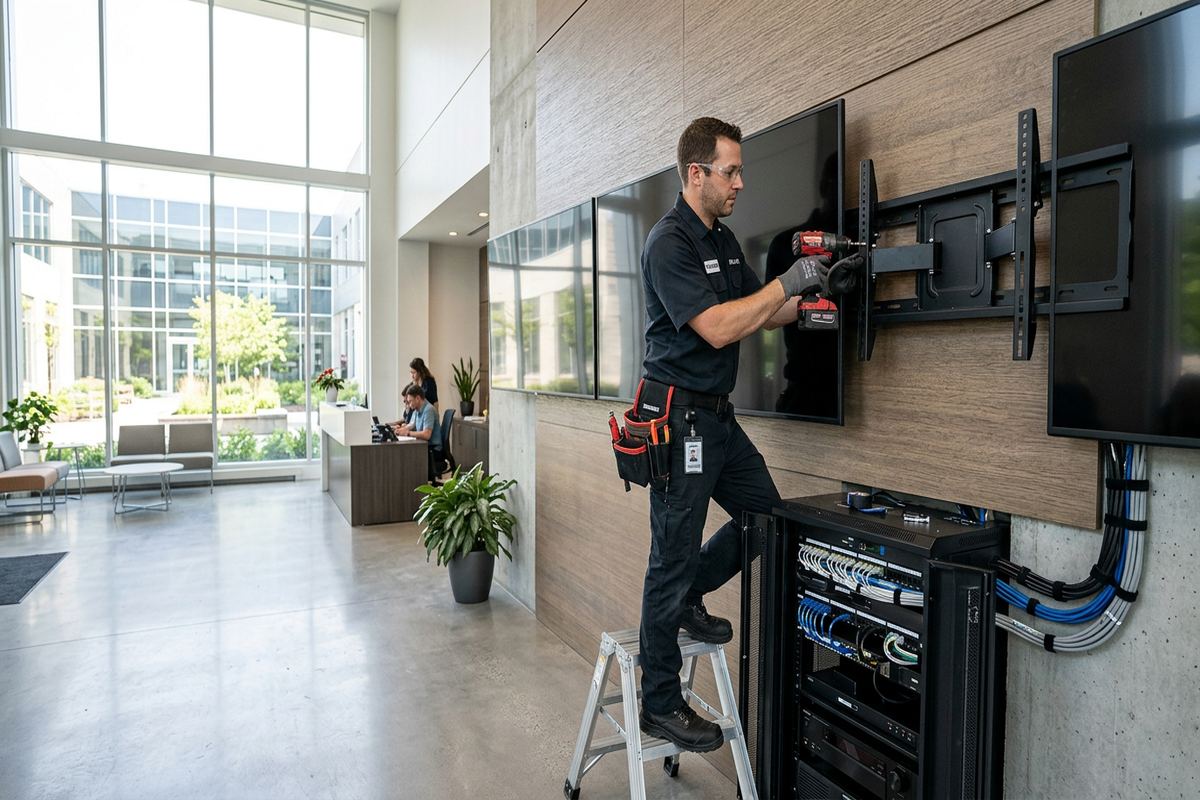
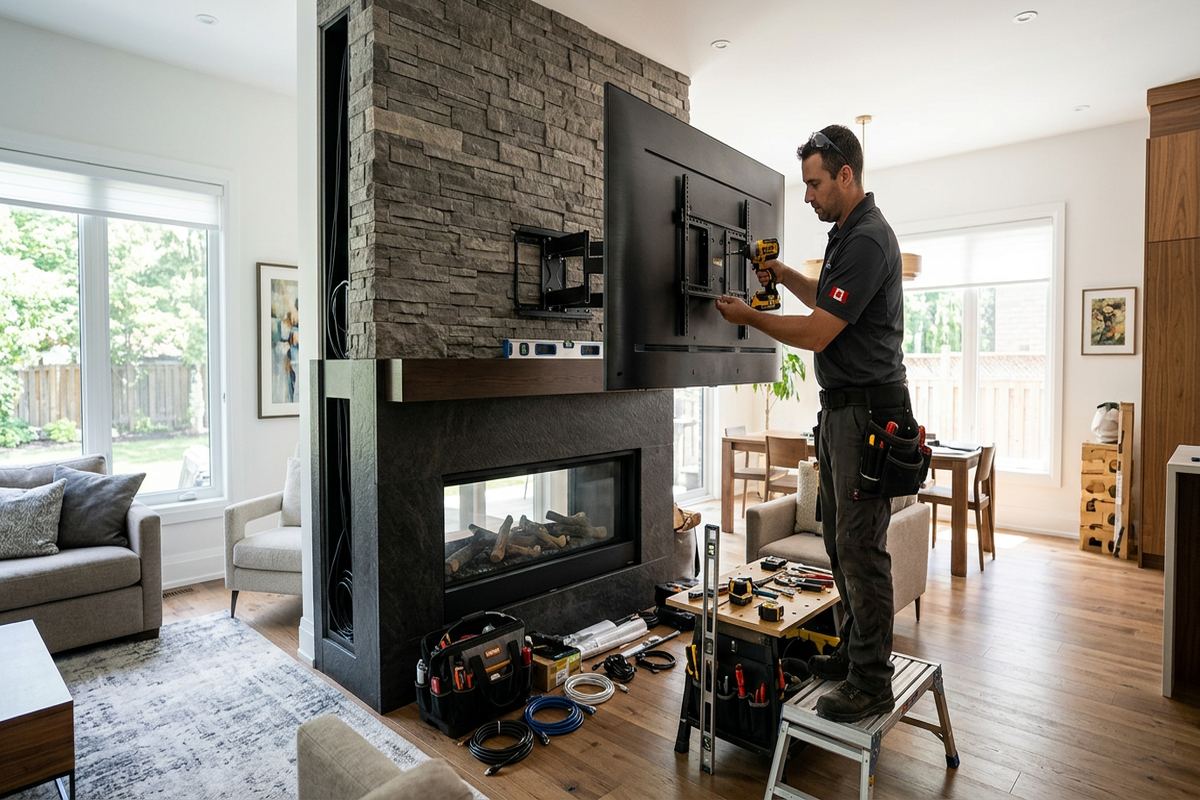
UnifiedLink installs televisions above and around fireplaces in Brockville homes and commercial spaces. We assess heat, wall construction, mounting height, viewing angles, cable routes and power access before recommending an approach. Installations are planned for masonry, framed walls and heritage interiors, with particular care given to discreet routing and low-impact attachment.
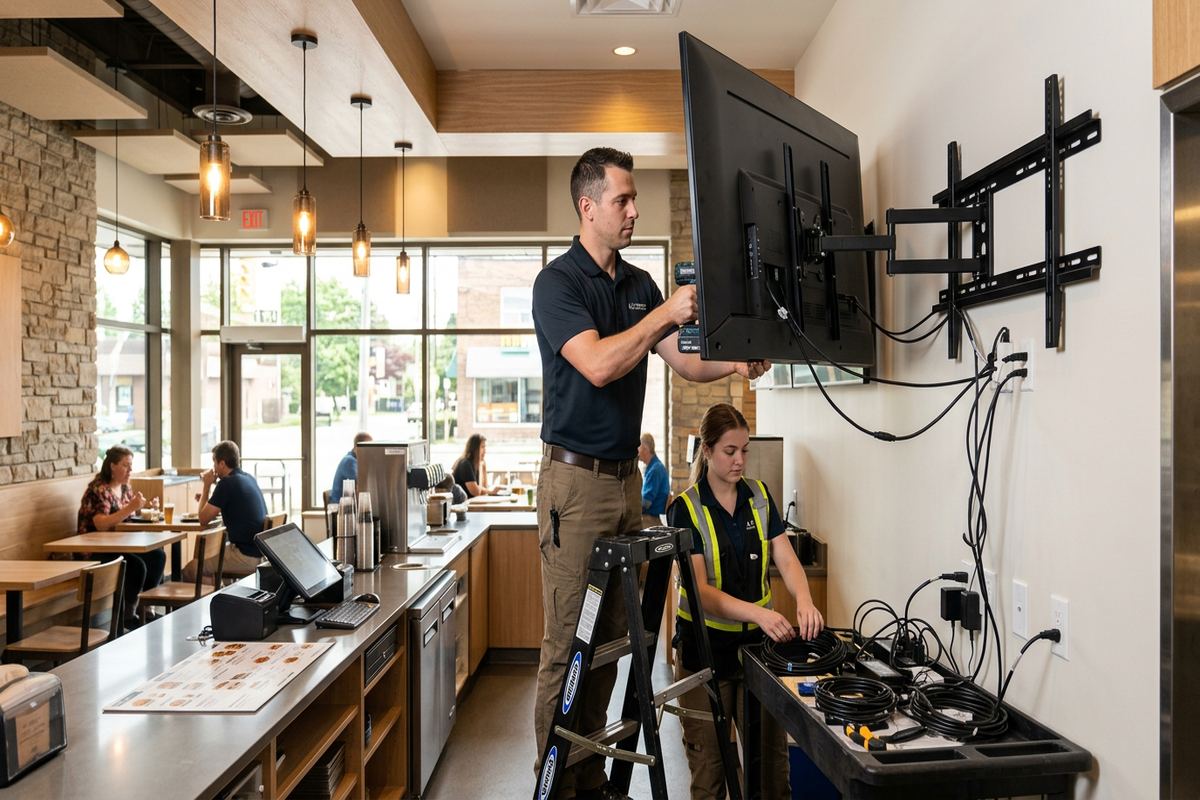
Planning Fireplace TV Mounting in Brockville
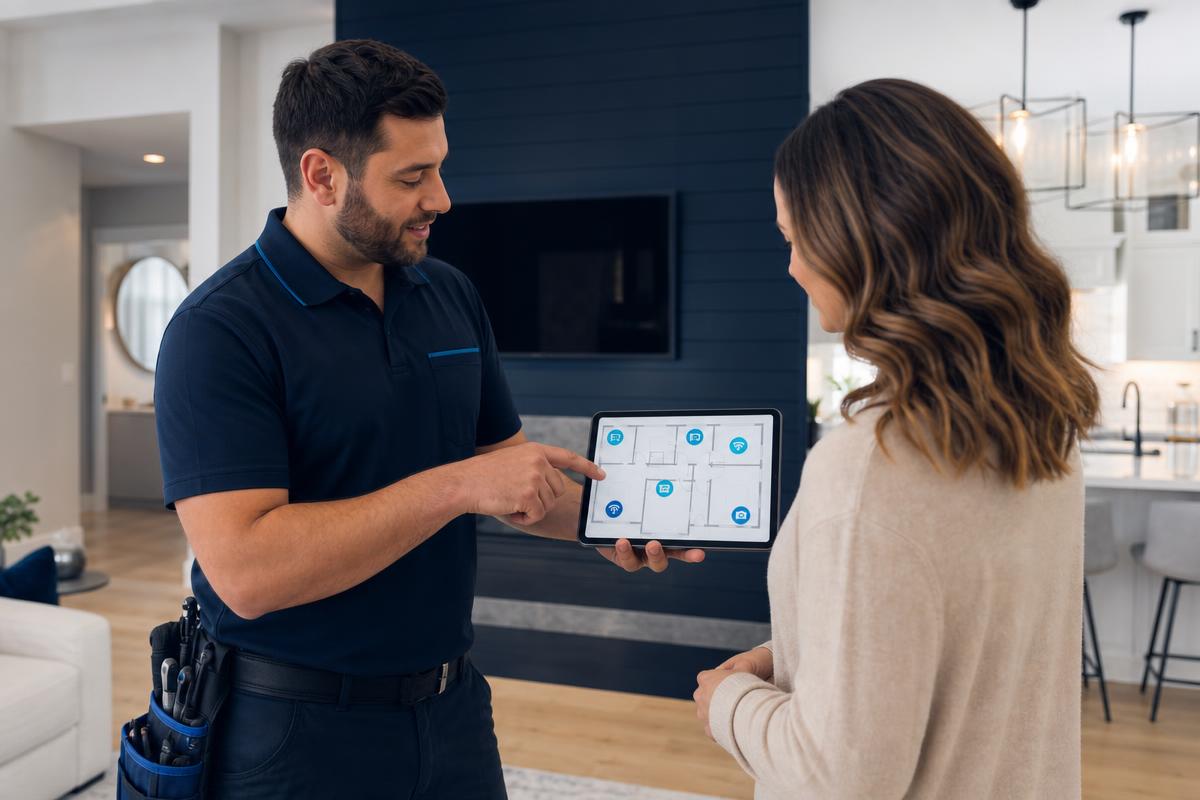
A television above a fireplace is not a standard wall-mounting job. The installer must account for heat, viewing height, wall structure, mantel depth, cable access and the television manufacturer’s clearance requirements. UnifiedLink begins with a site assessment before pricing. We examine the fireplace while it is operating when practical, identify whether it is gas, electric or wood-burning, and discuss how often it is used. That information helps determine whether the proposed position is suitable or whether an adjacent wall, adjustable mount or different display location would provide a safer and more comfortable result.
Brockville properties vary considerably, from stone heritage homes near Downtown Brockville to newer frame construction in North Brockville and Rivers Edge. A finished fireplace surround can conceal brick, concrete block, steel studs, wood framing or a mixture of materials. Decorative stone or tile alone may not support the television. We identify the structural substrate and select suitable attachment methods rather than relying on surface finishes. Where exploratory work is required, it is discussed before drilling so the owner understands the likely impact, repair responsibility and any limitations created by the existing construction.
Planning also covers how the system will be used after installation. We confirm television size and weight, preferred seating positions, connected equipment, streaming needs, soundbar placement and whether an articulating or fixed mount is appropriate. A written scope can document equipment, proposed cable routes, device placement, exclusions, equipment ownership and warranty. This is especially useful when several trades, a property manager or a fireplace contractor are involved. One accountable low-voltage contractor can handle mounting, signal cabling, network connections, display configuration and handover without leaving unclear divisions between the visible installation and the concealed infrastructure.
- Fireplace type and operating pattern reviewed
- Display dimensions and weight confirmed
- Wall substrate located before drilling
- Viewing distance and seating angles considered
- Written scope provided before installation
Heat, Clearance and Viewing Height in Brockville Homes
Heat is the first technical concern when positioning a display over a working fireplace. Excessive temperatures can shorten equipment life, cause unexpected shutdowns or place the installation outside the television manufacturer’s operating limits. Mantels may deflect some rising heat, but their effectiveness depends on projection, fireplace design and the location of vents. We review available documentation, inspect the surround and use practical temperature observations where conditions allow. If the proposed area becomes unsuitable during normal fireplace operation, we explain the constraint rather than proceeding with a placement that depends on the fireplace remaining unused.
Comfort matters as much as physical clearance. Fireplace televisions are often mounted too high because the opening, mantel and surround occupy most of the wall. In Brockville living rooms with compact layouts or formal heritage proportions, a high screen can create neck strain and poor off-axis viewing. We compare the proposed screen centre with the main seating position and consider a pull-down, tilting or articulating mount where appropriate. These products still require adequate structural support and clearance from the fireplace, so movement does not remove the need for a proper heat and wall assessment.
Winter use deserves specific attention in Eastern Ontario because a fireplace may run more frequently during cold weather than during an installation visit in a mild season. A location that appears acceptable with the appliance off can behave differently during sustained operation. Gas fireplace cavities may also contain vents, control components and service clearances that must remain accessible. We avoid routing low-voltage cable through hot zones or interfering with removable panels. The final plan keeps ventilation paths open, preserves reasonable appliance access and records any operating limitations identified from available manufacturer information or site conditions.
- Heat exposure considered under normal operation
- Mantel projection and vent locations reviewed
- Manufacturer clearances incorporated where available
- Pull-down and tilting options assessed
- Fireplace service panels kept accessible
Mounting on Masonry, Stone and Framed Walls
Secure mounting depends on what lies behind the finished surface. Solid brick, concrete block, natural stone, wood studs and steel studs require different anchors, tools and load planning. Thin stone veneer, tile, plaster and drywall are finishes, not automatically structural attachment points. We locate a suitable substrate and account for the combined weight and leverage of the television, mount and accessories. Articulating arms place greater force on the attachment points than fixed brackets, particularly when the screen is extended, so the selected mounting method must suit both the wall assembly and expected movement.
Stone heritage homes call for a restrained approach. Uneven masonry, old mortar, deep plaster and previous renovations can make concealed conditions difficult to predict. In Downtown Brockville, we may recommend locating joints carefully, minimizing penetrations or using a nearby framed section when drilling decorative stone would create unnecessary risk. The goal is a stable installation without treating historic material like modern concrete. Where the substrate cannot be confirmed without opening the wall, the scope identifies that uncertainty and any related exclusions before work begins, allowing the property owner to make an informed decision.
Frame construction presents different challenges, including off-centre studs, shallow service cavities, steel fireplace framing and combustible-clearance zones. A bracket should not be positioned solely for visual symmetry if its mounting pattern misses reliable structure. Where suitable, backing can be added during a renovation, or a mount with a wider wall plate can span available framing. We also check for likely electrical, gas and plumbing routes before drilling. No detection method reveals every concealed condition, but deliberate inspection and careful fastening reduce avoidable damage compared with mounting based only on surface measurements.
- Anchors matched to structural substrate
- Stone veneer treated as a finish
- Bracket leverage included in load planning
- Stud positions verified where accessible
- Decorative masonry penetrations minimized
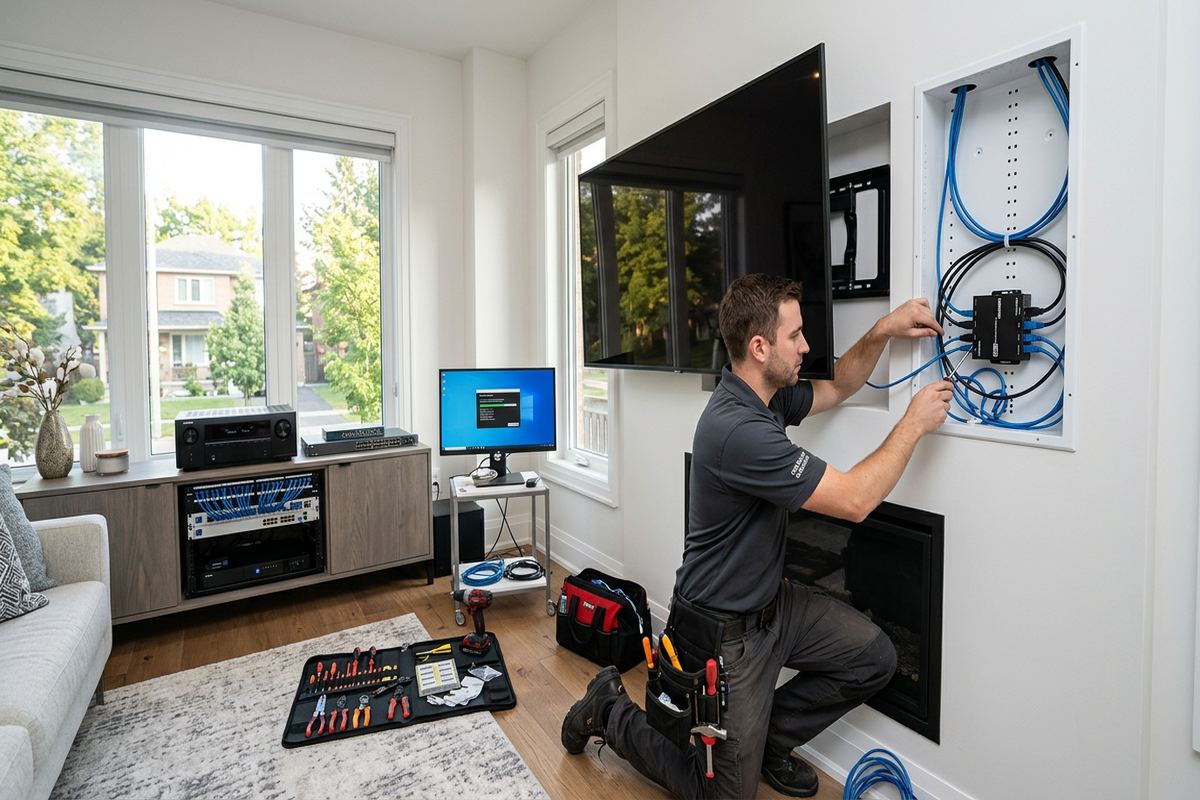
Brockville, Ontario
Fireplace TV mounting in Brockville, scoped in writing first
Book a site assessment and get equipment, routes, exclusions, and warranty on paper before anything is installed.
Concealed Cabling for Brockville Fireplace Installations
A clean fireplace installation needs more than hiding one power cord. Modern displays may require HDMI, Ethernet, antenna, optical audio, speaker, control or USB connections, depending on the equipment. UnifiedLink plans continuous labelled low-voltage cable runs where concealed routing is practical. We do not place ordinary flexible cords inside walls or improvise routes through fireplace cavities. Power work and low-voltage cabling are treated separately, with the required electrical provision coordinated where necessary. The resulting arrangement should support the current system while keeping equipment connections understandable for future service or replacement.
Cable routing can be difficult around masonry chimneys and prefabricated fireplace enclosures. In Brockville stone homes, there may be no open stud cavity directly behind the television. Options can include discreet surface raceway, routing through an adjoining cabinet, using an accessible framed chase or approaching from a basement or adjacent room. Each route has different visual and construction impacts. We discuss those trade-offs during the assessment instead of promising invisible wiring before the wall is understood. Exterior routing is considered only when appropriate and must be planned around moisture, temperature and building-envelope concerns.
Freeze-thaw cycles make exterior penetrations especially important in Eastern Ontario. A cable opening through masonry or siding must be positioned and sealed to limit water entry, while maintaining a drip path and suitable bend radius. Penetrations should not direct water into wall cavities or damaged mortar. Exterior-rated cable and appropriate fittings are used where a route is exposed outdoors; interior cable is not substituted simply because the exposed section is short. Riverfront properties may also experience wind-driven rain, making sheltered entry points and durable sealing details preferable to direct, upward-facing penetrations.
- Continuous low-voltage runs labelled at both ends
- Power and signal routing kept distinct
- Raceway options discussed for solid masonry
- Exterior cable matched to environmental exposure
- Wall penetrations sealed against moisture
TV, Soundbar and Device Setup in Brockville
Mounting is only part of a usable display system. We can position a compatible soundbar, connect source devices and configure the television on site within the agreed scope. Soundbar placement must account for upward-firing speakers, remote sensors, screen movement and the fireplace’s heat path. If a pull-down mount is selected, attached accessories need suitable clearances throughout the full travel range. We also consider whether consoles, streaming devices or receivers can be serviced without removing the television, and whether ventilation around enclosed equipment is adequate for normal operation.
Network quality affects streaming reliability, particularly when a television sits against dense stone or masonry. These materials can weaken Wi-Fi signals, and placing equipment inside a cabinet may add further loss. In Brockville properties with thick heritage walls, we may test the available connection and recommend Ethernet or a broader Wi-Fi improvement rather than assuming the television’s wireless connection will remain stable. Any network work is documented separately in the scope. The aim is to address the actual connection path, not to treat every playback issue as a display or mounting problem.
Handover is completed using the customer’s own credentials. We can assist with initial television, network and application setup without retaining personal account passwords. Connected inputs are named where supported, remotes are checked and basic operation is demonstrated. The customer receives an as-built record showing relevant device placement and cable information for the completed work. Equipment ownership and warranty responsibilities are also identified in the written scope. This documentation is useful when the property changes hands, a television is upgraded or another technician needs to understand concealed cable routes later.
- Soundbar clearance checked through mount movement
- Streaming connection tested at the display
- Inputs labelled where the television supports it
- Customer credentials used during setup
- As-built cable and device record supplied
Approvals, Condos and Rental Properties
Permission should be confirmed before drilling into property that the customer does not solely control. Condo corporations may have rules concerning fireplace surrounds, party walls, noise, work hours and penetrations into common elements. Landlords may restrict masonry drilling, concealed cabling or alterations that require repair at the end of a tenancy. We can provide a written scope describing proposed equipment, placement and cable routes for review, but the owner, tenant or property manager remains responsible for obtaining required approvals before installation begins.
In Brockville condominium and multi-unit settings, the visible fireplace wall may contain shared services, fire separations or construction that differs from a detached home. Openings and cable routes must not compromise rated assemblies. Existing penetrations are not automatically suitable for new wiring, and a convenient cavity may be part of a chase that should remain closed. When site conditions indicate work outside the low-voltage mounting scope, we identify the need for the appropriate trade or building representative rather than opening an assembly without clear authorization.
Rental and commercial installations benefit from clear restoration expectations. A fixed mount may use fewer moving parts, but it still requires structural fasteners and may leave visible holes when removed. Raceway can avoid opening finished walls, though adhesive or screw attachment may also affect paint, plaster or masonry. The written scope can record exclusions and identify who owns the mount, television, cables and related equipment. This avoids confusion between tenants, landlords and property managers, particularly where a business supplies the display but the building owner controls the wall.
- Condo rules reviewed by the customer
- Landlord permission confirmed before drilling
- Fire separations left intact
- Equipment ownership documented
- Restoration responsibilities stated in scope
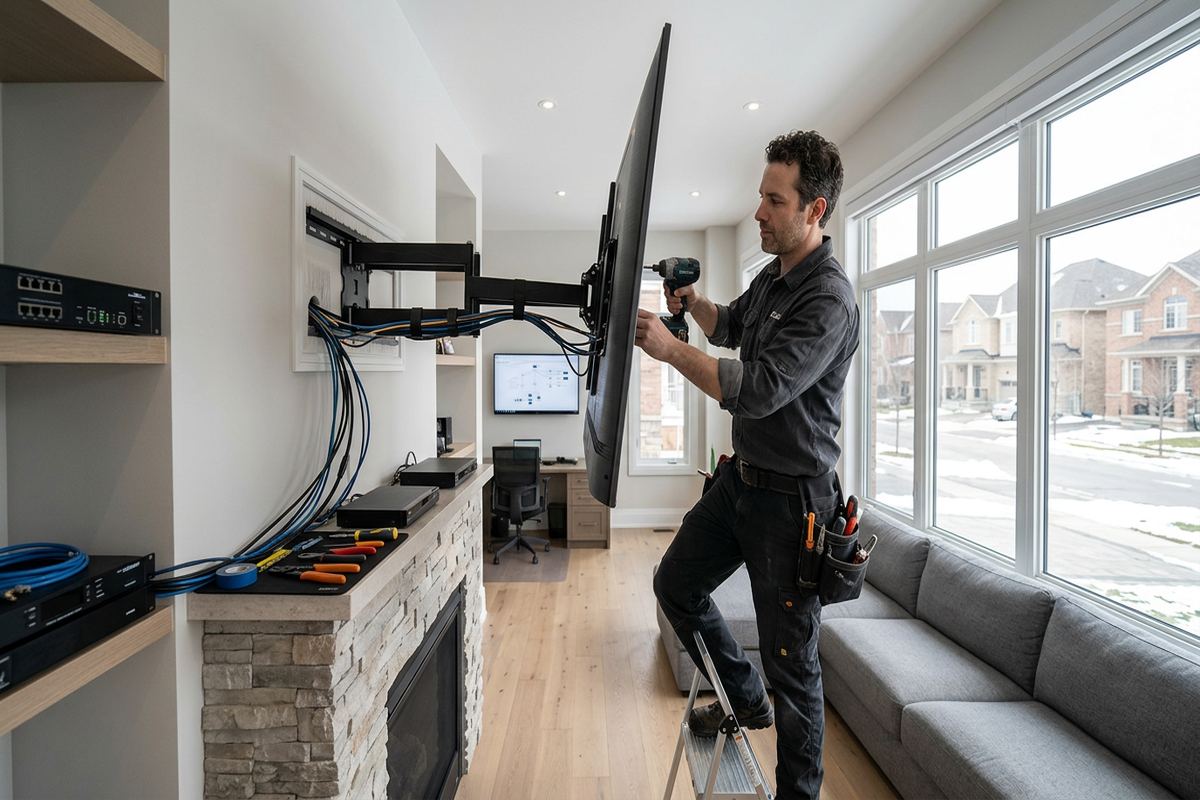
Brockville Residential and Commercial Applications
Fireplace TV mounting is most common in living rooms, family rooms and finished basements, but each setting has different priorities. A family room may need an articulating screen visible from several seats, while a formal room may favour a low-profile fixed bracket. Homes in Butler’s Creek, Centennial and North Brockville can include both original construction and renovated fireplace features, so the apparent age of the finish does not reliably identify the framing behind it. Assessment remains necessary even when the wall looks straightforward.
Commercial spaces sometimes use fireplace displays in reception areas, restaurants, waiting rooms or hospitality settings. Other Brockville businesses may need a display mounted on a feature wall that resembles a fireplace surround but contains steel framing, service cavities or decorative panels. Commercial strips and industrial units can also involve higher ceilings, longer cable routes and different operating schedules. We confirm viewing purpose, content source, daily operating pattern and access for future maintenance. Mounting hardware and device placement are then selected for the actual environment rather than copied from a residential layout.
Riverfront properties require attention to both aesthetics and exposure. Large windows can create glare that influences display angle and brightness, while exterior walls may offer limited routing space because of insulation and vapour-control layers. Wind-driven moisture near the river makes unnecessary exterior penetrations undesirable. Discreet, low-impact routing may therefore use interior cabinetry or an adjacent partition instead. We balance appearance with serviceability, avoiding a concealed route that makes future cable replacement impractical or requires disruptive work whenever the television is changed.
- Fixed, tilt and articulating mounts considered
- Residential seating and glare assessed
- Commercial operating needs documented
- Long cable routes planned before installation
- Riverfront exposure considered in route selection
Assessment, Installation and Handover
The process starts with details about the television, mount, fireplace and property. Photos can help identify obvious constraints, but they do not replace an on-site assessment when structure, heat or concealed routing must be verified. Site assessment timing depends on the service and travel distance. Requests sent during business hours are answered the same day, while after-hours requests are answered the next business day. Pricing follows the assessment and defined scope rather than assumptions based only on screen size or a brief description of the wall.
Before work begins in Brockville, the agreed scope sets out equipment, cable routes, device placement, exclusions, equipment ownership and warranty. During installation, the mount is aligned and attached to suitable structure, low-voltage runs are installed and labelled, and exposed openings are finished as specified. The television is then secured, levelled and tested through the mount’s intended movement. If concealed conditions differ materially from what could be observed during assessment, we stop and review the revised approach instead of making unapproved changes to masonry, framing or finishes.
Final checks cover fireplace clearances, screen stability, cable strain, device ventilation, signal performance and basic operation. On-site configuration is completed using the customer’s credentials, followed by a practical demonstration of inputs, remotes and mount movement. The as-built record captures the installed arrangement and useful cable details. Keeping mounting, cabling and display setup with one accountable contractor reduces gaps between tasks, while still allowing electrical, fireplace or construction specialists to handle work that falls within their respective responsibilities.
- Site assessment completed before pricing
- Scope approved before drilling begins
- Mount movement and cable strain tested
- Display configured on site
- As-built record provided at handover
Brockville neighbourhoods we cover
- Downtown Brockville
- North Brockville
- Rivers Edge
- Butler's Creek
- Centennial
Fireplace TV mounting in Brockville — common questions
Can any TV be mounted above my fireplace?
Not automatically. The television’s weight, operating temperature limits and mounting pattern must suit the proposed location and bracket. In Brockville, fireplace type, mantel design, wall construction and winter operating habits also affect suitability. We assess these factors before pricing. If heat, height or structure makes the location unsuitable, we can discuss an adjacent wall or another practical arrangement.
Can you mount into stone or brick?
Yes, where the masonry is suitable and a reliable attachment method can be established. Brockville stone and brick walls vary in condition, composition and finish. Decorative veneer or deteriorated mortar should not be assumed to carry the load. We assess the substrate, mount leverage and proposed fastener locations, then explain any uncertainty or risk before drilling into visible masonry.
Can the cables be completely hidden?
Sometimes, but solid masonry, fireplace cavities and heritage construction can prevent a fully concealed route. Brockville homes may require discreet surface raceway, adjacent cabinetry or access from another room. We review the options during the site assessment and document the agreed route. Ordinary power cords are not placed inside walls, and low-voltage cables are kept away from hot fireplace areas.
Will the fireplace damage the television?
It can if temperatures at the display exceed the manufacturer’s limits or if fireplace ventilation is obstructed. We examine the appliance, mantel, vents, clearances and expected use. Because Brockville fireplaces may operate for extended periods during winter, the assessment considers normal cold-weather use rather than assuming occasional operation. A different location may be recommended if heat cannot be managed appropriately.
Do I need condo or landlord approval?
You may. Brockville condo corporations and landlords can restrict drilling, cable routing, work hours or changes to fireplace surrounds and party walls. Customers are responsible for obtaining approval, but UnifiedLink can provide a written scope showing the proposed equipment, placement and cable route. Work will not intentionally compromise fire separations, common elements or assemblies that require authorization from another party.
Do you set up the TV and soundbar?
On-site configuration can be included in the written scope. We can connect agreed source devices, check the soundbar position, label supported inputs and test basic operation. Setup uses the Brockville customer’s own network and application credentials; UnifiedLink does not retain personal passwords. Handover includes an as-built record covering relevant device placement and installed cable routes.
Coverage in Brockville is confirmed against the address before we quote. See everything we install in Brockville or the province-wide fireplace tv mounting page.