UnifiedLink installs condo access control systems in Burlington for main entrances, garages, amenity rooms, service doors and other shared areas. Each project starts with a site assessment before pricing. The written scope identifies equipment, cable routes, device locations, exclusions, equipment ownership and warranty, giving boards, managers and owners a clear basis for approval.
Condo Access Control Planning in Burlington
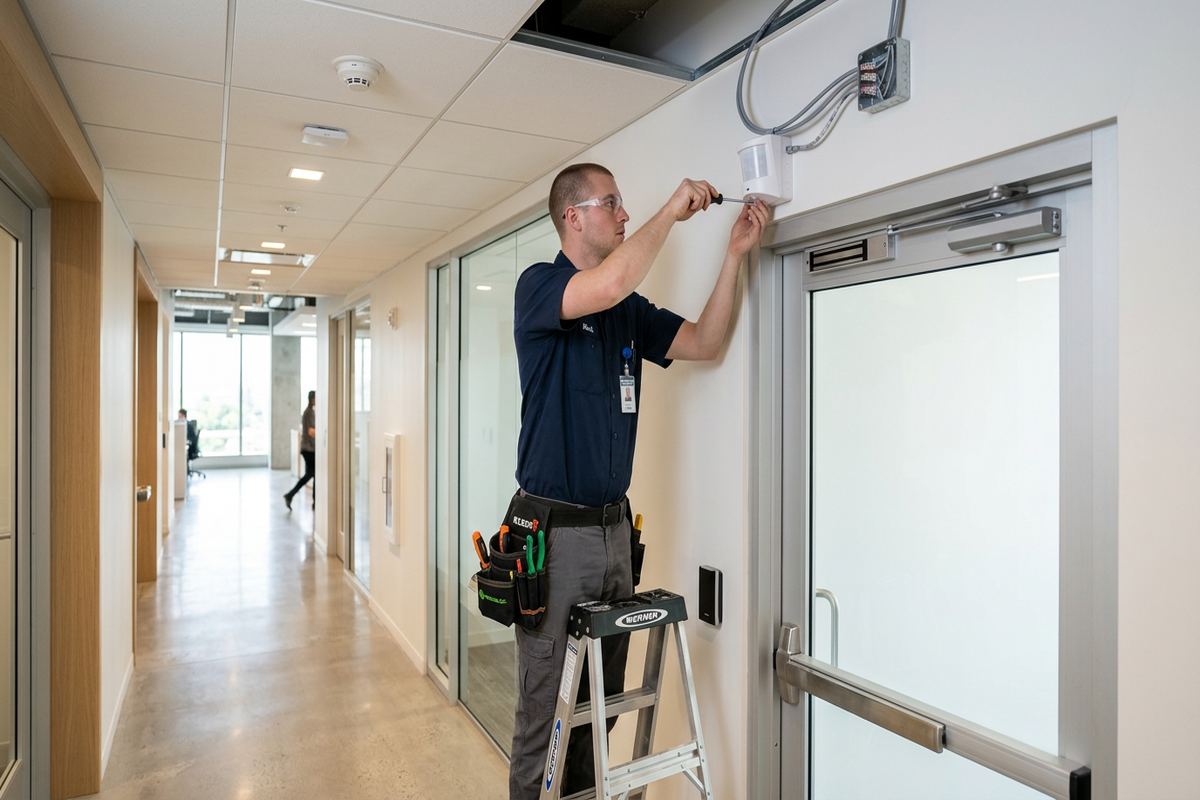
Condo access control starts with understanding how residents, visitors, staff and contractors move through the property. A Burlington building may need controlled entry at a vestibule, underground garage, bicycle room, amenity space, roof access point and service corridor. These doors do not all require the same hardware or permissions. During the assessment, UnifiedLink reviews traffic patterns, existing locking hardware, available pathways, door operation and emergency egress requirements. The resulting design separates everyday convenience from restricted access, helping the condominium corporation manage credentials without creating unnecessary barriers for residents or authorized service providers.
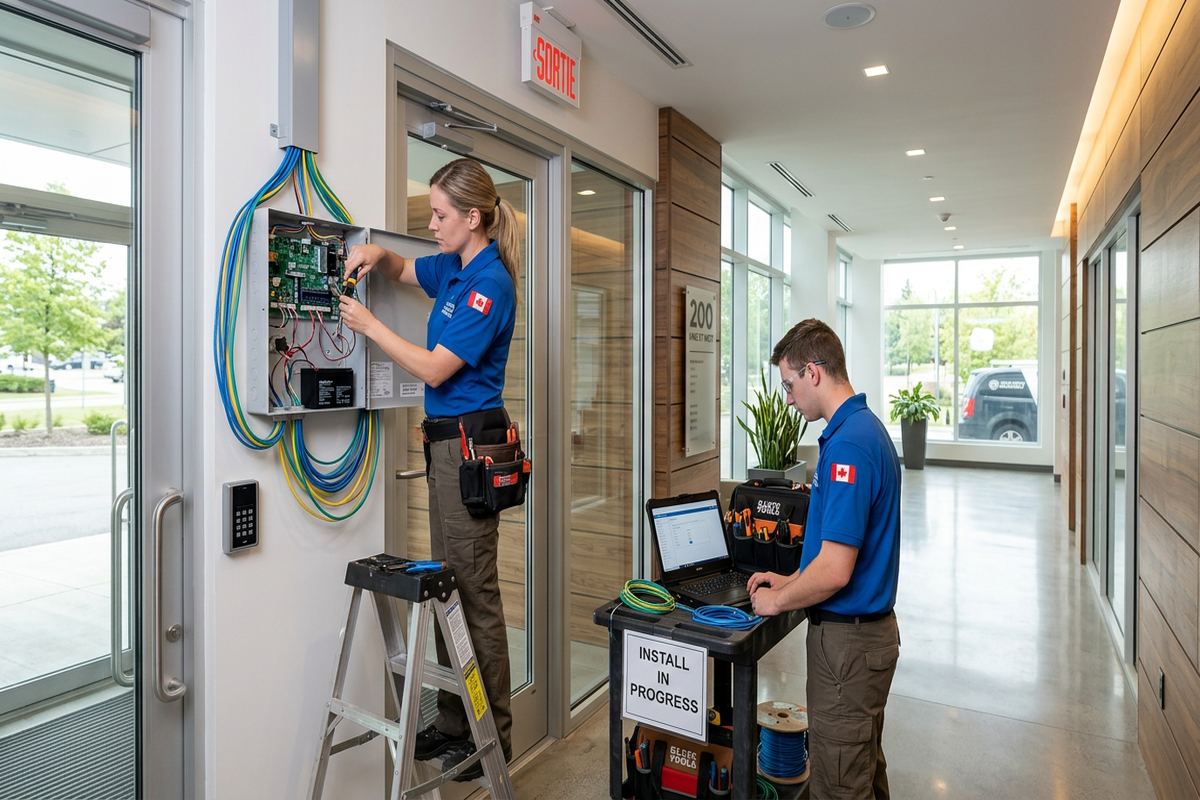
Before equipment is selected, the condition and construction of each opening must be checked. Older masonry buildings near Downtown Burlington or Aldershot may have limited pathways, thick walls, recessed frames or legacy intercom wiring. Newer properties in Alton Village may have accessible risers but stricter coordination requirements for finished common areas. Frame construction, concrete structure and masonry each affect drilling, fastening and cable routing. The assessment identifies these constraints early so readers, request-to-exit devices, door contacts and controllers can be positioned without avoidable surface wiring, damaged finishes or conflicts with existing fire and life-safety systems.
Approval is part of the technical process in any condominium. Boards and property managers usually need enough information to compare the proposed work with condominium rules, reserve planning, security procedures and disruption limits. UnifiedLink provides a written scope covering equipment, device placement, cable routes, exclusions, ownership and warranty. Where landlord, condo or management approval is required, that scope can support the review. It also clarifies which existing components remain, which doors need locksmith work and which tasks depend on other trades, reducing uncertainty before installation dates, resident notices and access arrangements are established.
- Review resident, visitor and contractor movement
- Inspect doors, frames and existing locking hardware
- Identify controller, power and network locations
- Document routes through risers and common areas
- Define approvals and other-trade responsibilities
Choosing Credentials and Entry Methods in Burlington
Credentials should match how the Burlington property is operated, not simply what a particular reader supports. Cards and fobs are familiar for permanent residents, while mobile credentials can reduce physical distribution where suitable phones and management policies are in place. Keypads may work for limited applications, but shared codes are difficult to control when occupants change. A practical design can combine methods by user group. Residents, cleaners, trades, delivery personnel and management staff can receive different permissions, schedules and expiry dates rather than identical access across every controlled opening in the building.
Visitor entry requires separate planning from resident credentials. A condo may retain an existing telephone entry system, connect selected doors to a new platform or coordinate access control with concierge procedures. The correct approach depends on how guests are verified, whether the property has staffed reception and which entrance provides an accessible route. In Burlington buildings with multiple lobby or garage approaches, unclear visitor routing can lead to propped doors and repeated calls to residents. Entry instructions, release permissions and door timing should therefore be configured around the actual arrival path instead of treated as isolated software settings.
Credential administration continues after installation, so responsibility must be defined at the outset. Property managers need a repeatable way to issue, suspend and replace credentials when units change occupants or a device is lost. Permissions can be organized by doors, floors, schedules or user roles, provided the arrangement remains understandable. UnifiedLink configures the system on site and hands it over using the customer’s own credentials. The as-built record identifies installed devices and relevant locations, helping an authorized administrator maintain the system without depending on undocumented accounts, unknown passwords or an installer-controlled login.
- Fobs or cards for permanent residents
- Mobile credentials where policies permit
- Scheduled permissions for staff and contractors
- Separate visitor and resident entry workflows
- Customer-controlled administrator accounts
Doors, Locks and Life-Safety Coordination
An access control reader does not correct a door that drags, fails to latch or moves out of alignment. Before electrification, each opening should be reviewed as a complete assembly: door, frame, closer, hinges, latch, lock, seals and surrounding construction. Burlington’s freeze-thaw cycles can expose marginal exterior doors, especially where water reaches thresholds or metal components expand and contract. If the opening cannot close consistently, credential events may appear successful while the door remains unsecured. Necessary door or locksmith corrections should be identified before commissioning so electronic control is not expected to compensate for mechanical defects.
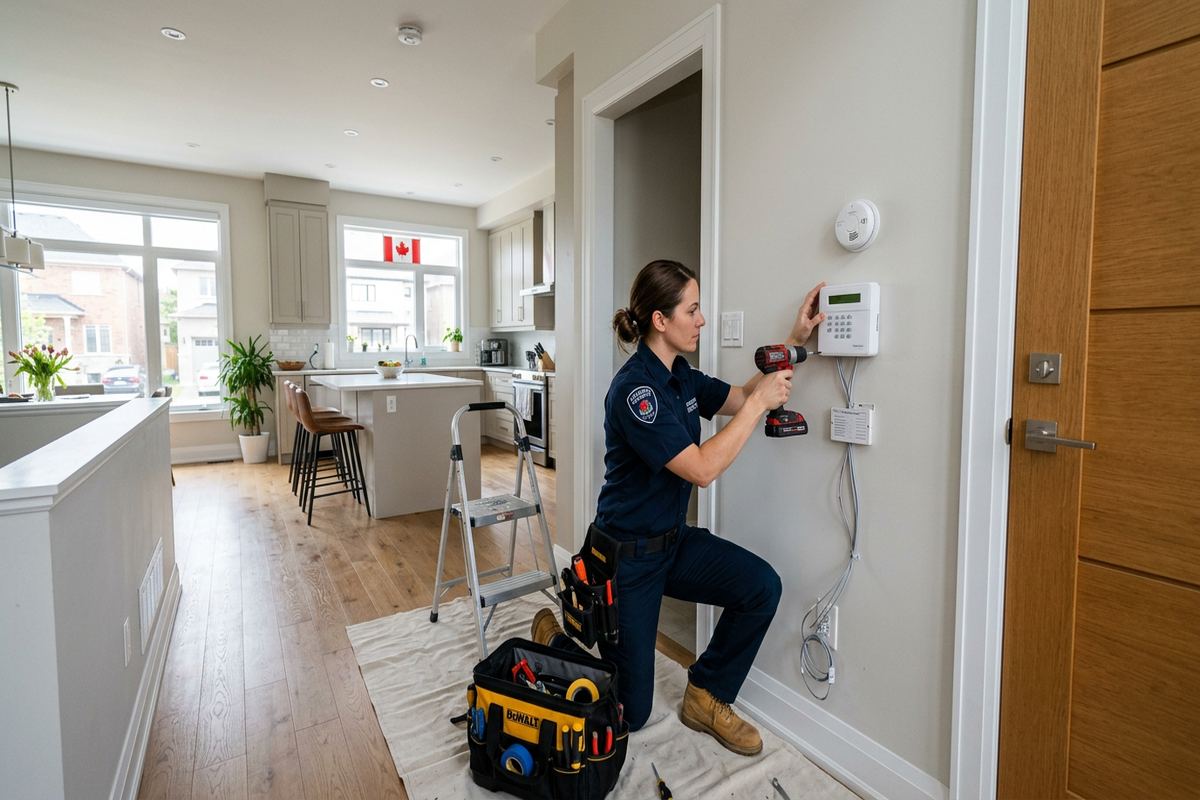
Lock selection depends on the door’s construction, use and required behaviour during power or system events. Electric strikes, electrified locksets and magnetic locks have different mounting, power and egress considerations. Glass entrances, aluminum storefront assemblies, hollow metal service doors and wood amenity-room doors cannot be treated interchangeably. The design must also account for door position monitoring, request-to-exit operation and accessibility hardware. UnifiedLink documents the intended device arrangement and coordinates defined dependencies, while relevant authorities, consultants or other trades remain responsible for work outside the agreed low-voltage scope and for approvals within their respective roles.
Emergency egress and fire-alarm interfaces require deliberate coordination rather than assumptions. Controlled entry must not obstruct lawful exit, and some locking arrangements may require release inputs, specialized hardware or review by the appropriate parties. Existing condo systems can also contain undocumented relays or modifications that affect door behaviour. Testing should include authorized entry, free egress, door-held conditions, forced-door events and the agreed response to relevant inputs. Results are checked at the opening and within the management software, allowing operators to understand what an alarm means before the system is relied upon during regular building operations.
- Assess closers, hinges, latches and alignment
- Match locking hardware to each door type
- Monitor door position and request-to-exit devices
- Coordinate defined fire-alarm interface requirements
- Test entry, egress and alarm events
Burlington, Ontario
Condo access control systems in Burlington, scoped in writing first
Book a site assessment and get equipment, routes, exclusions, and warranty on paper before anything is installed.
Cabling and Controller Installation in Burlington Condos
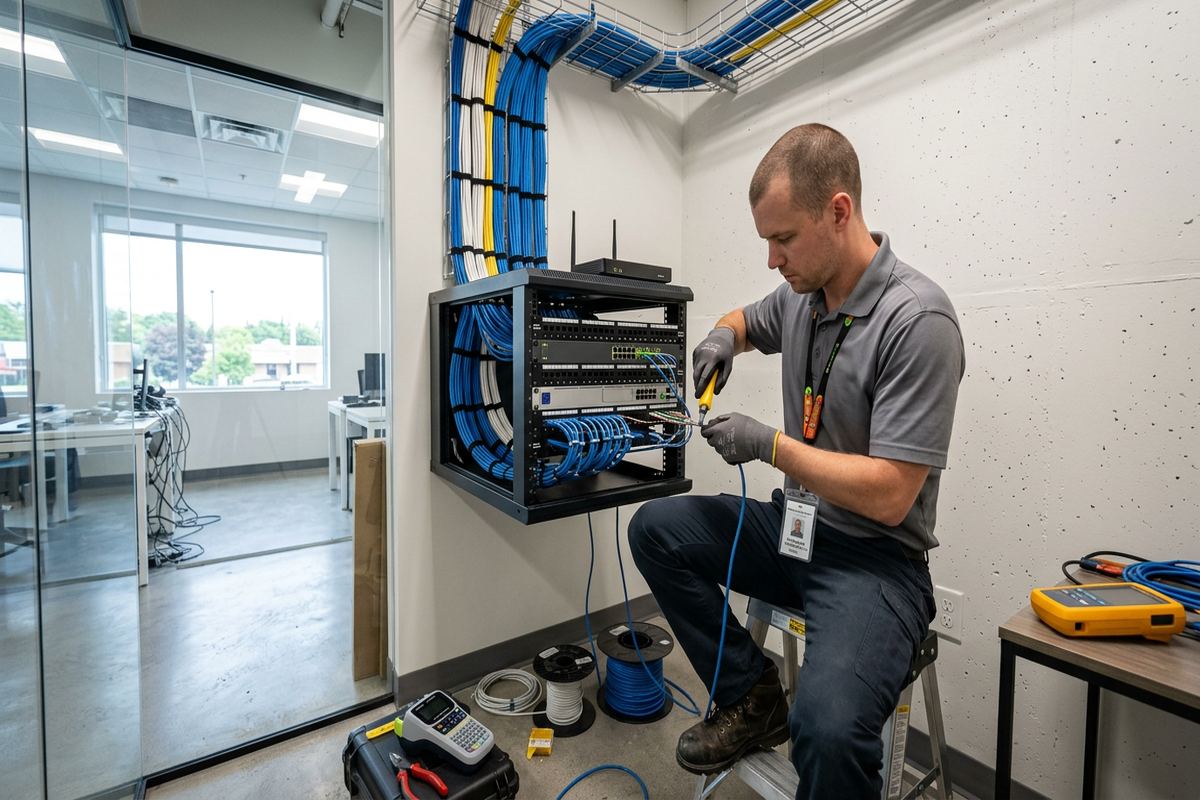
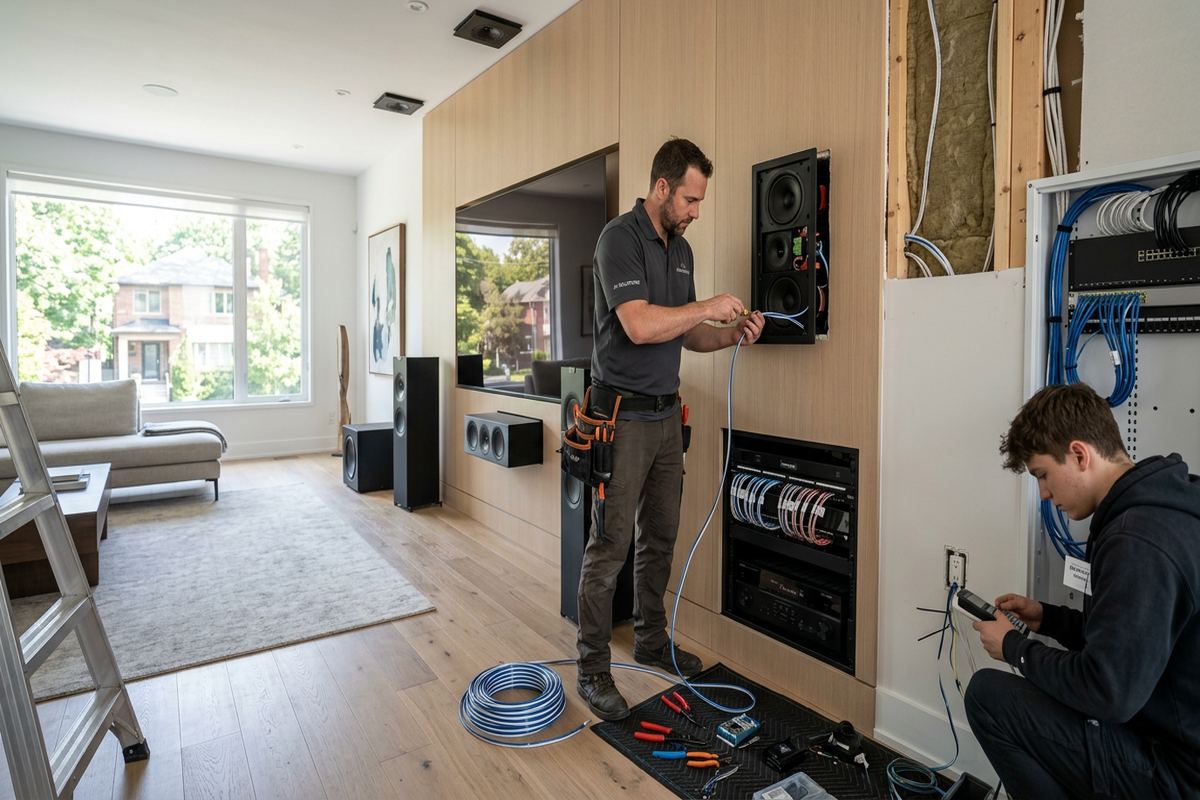
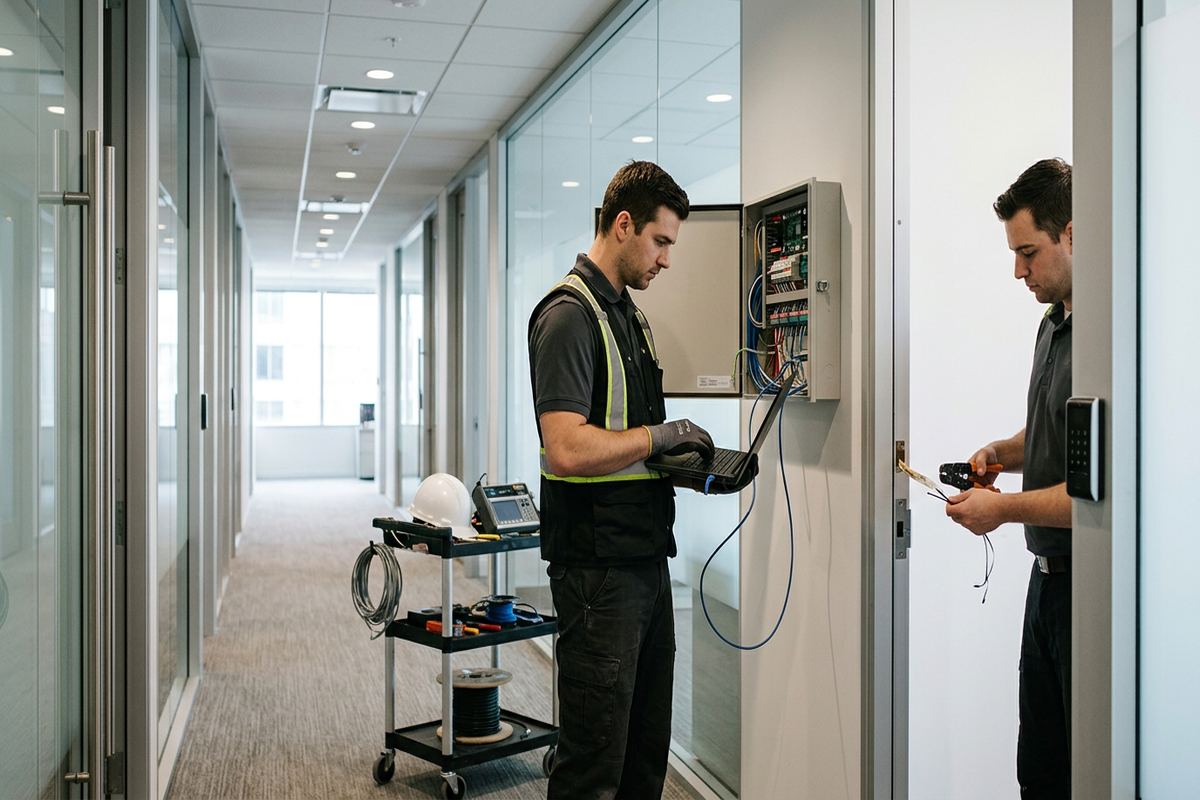
Reliable access control depends on cable routes that can be inspected, identified and maintained. In Burlington condos, routes may pass through electrical rooms, telecommunications spaces, parking levels, risers and finished corridors. Older properties can have crowded pathways or concealed renovations, while newer buildings may impose strict penetration and firestopping procedures. UnifiedLink plans continuous labelled cable runs between field devices and designated control locations, avoiding undocumented splices. The written scope records proposed routes and exclusions, enabling management to review ceiling access, shutdown needs and restoration responsibilities before technicians begin work in shared or resident-facing areas.
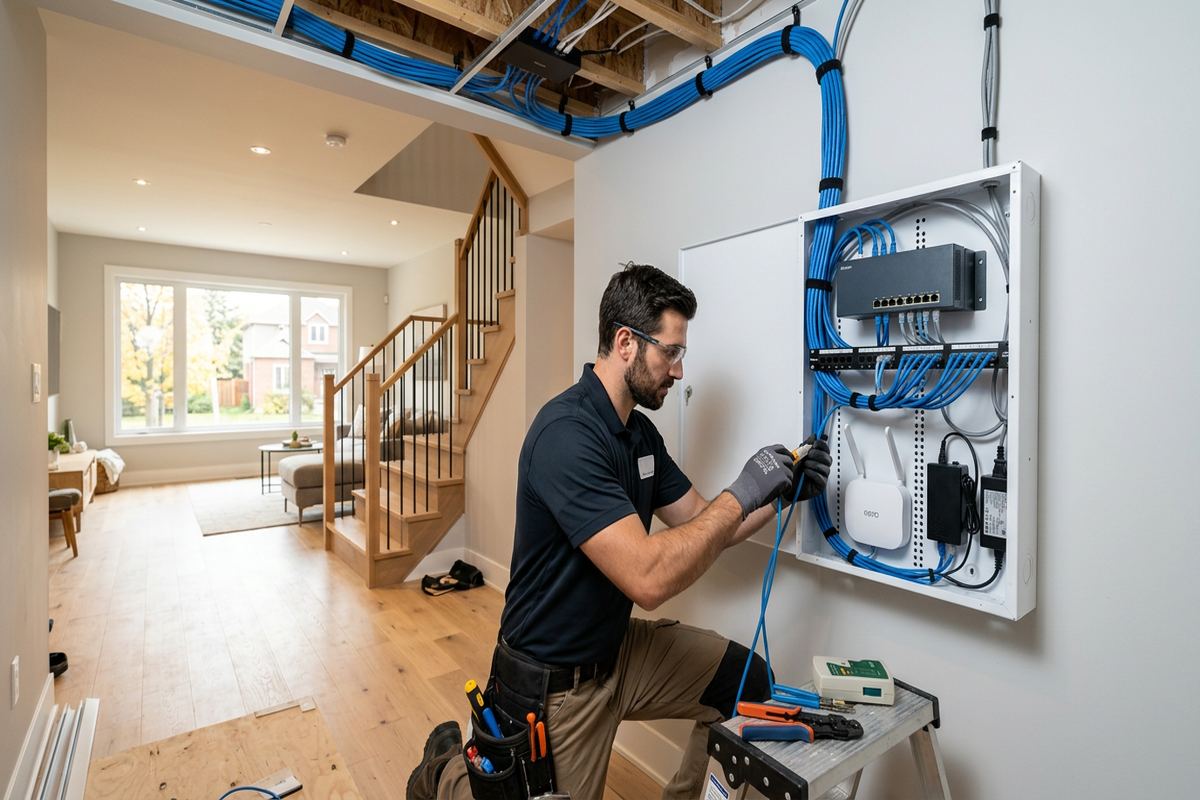
Controller locations need suitable power, physical security, environmental conditions and service access. An unlocked janitor room or damp parking corner is not automatically acceptable because it is close to a door. Equipment should be placed where authorized personnel can reach it without exposing the panel to routine public traffic, moisture or accidental damage. Network availability must also be confirmed rather than assumed. If switches, VLANs, addresses or remote connectivity involve the condominium’s IT provider, those dependencies belong in project coordination. This prevents a completed door installation from waiting on unassigned network resources or unclear administrative responsibility.
Parking garages introduce additional routing and mounting concerns. Concrete structure can limit wireless assumptions and make cable pathways more complex, while vehicle traffic increases the need for protected device placement. Conduit, junction points and reader mounting should be selected for the environment and positioned away from likely impact where practical. Penetrations through exterior or transitional surfaces require appropriate sealing to reduce water entry. For Burlington properties exposed to winter moisture and road salt, hardware and connections near garage approaches need particular attention during assessment, installation and periodic inspection by building management.
- Continuous labelled runs without hidden splices
- Secure, serviceable controller locations
- Documented network and power dependencies
- Protected routing in parking areas
- Sealed exterior and transitional penetrations
Exterior Readers and Burlington Weather
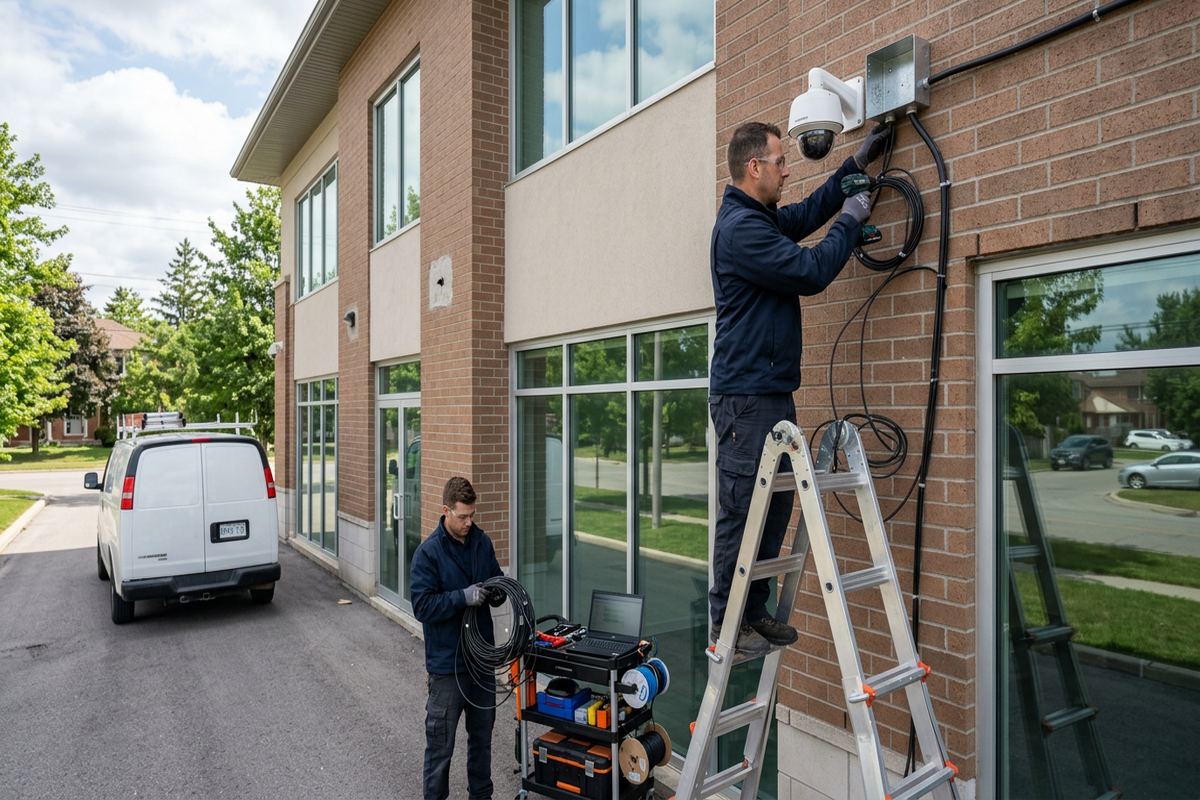
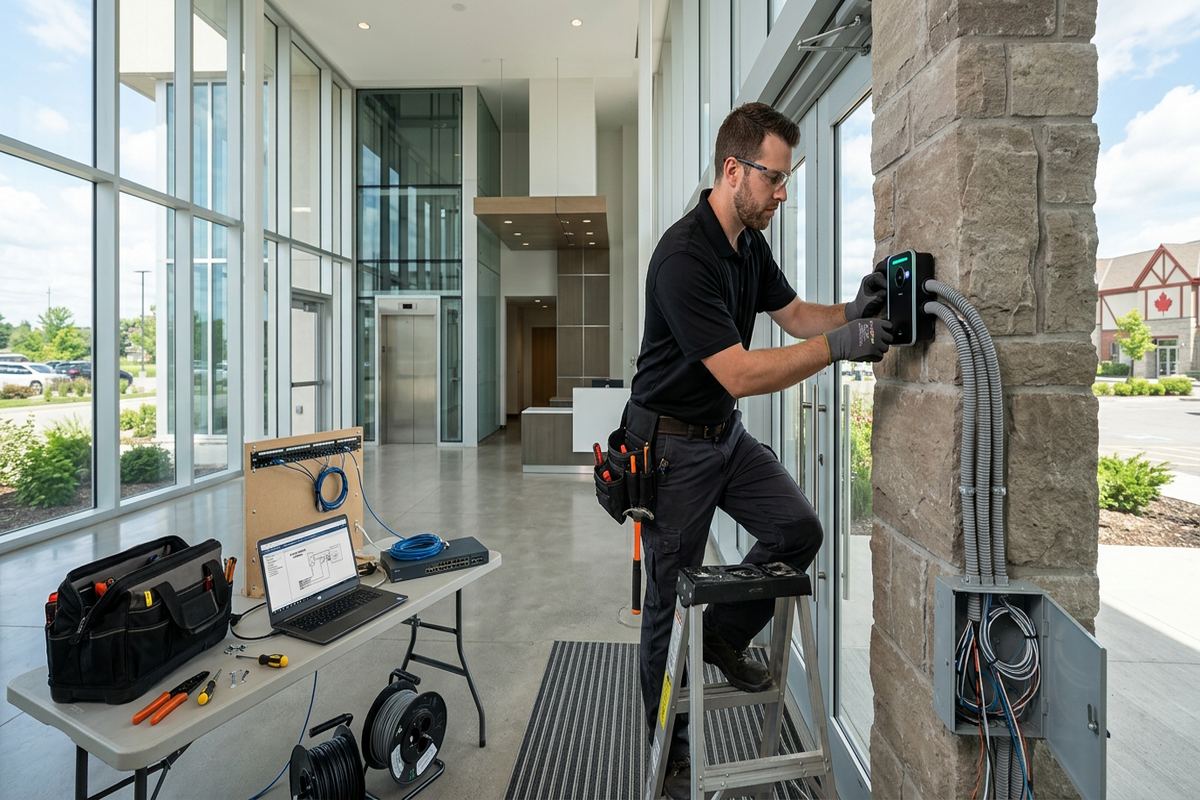
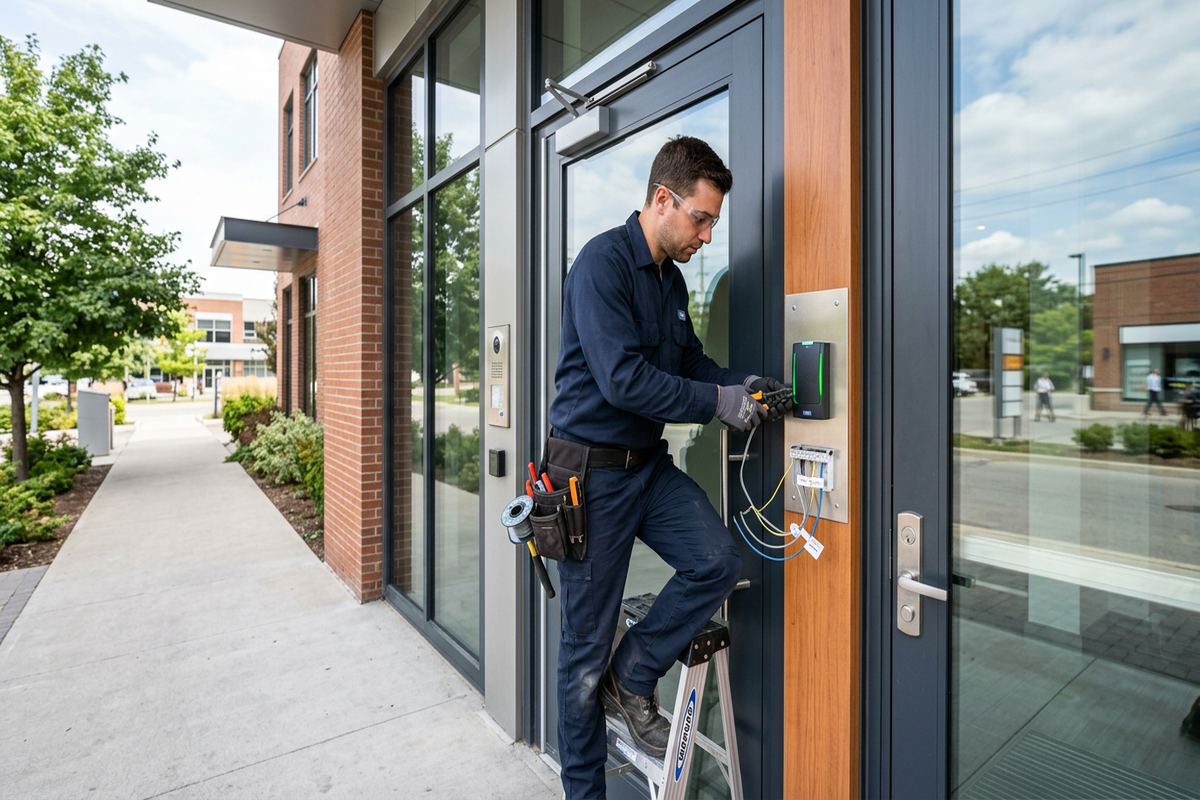
Outdoor readers, intercom connections and gate devices face conditions that indoor equipment does not. Burlington winters bring freezing temperatures, moisture and repeated freeze-thaw movement, while lakefront exposure can increase wind-driven rain at some properties. Device suitability is only one part of the installation. Mounting surfaces, cable entries, back boxes, drainage paths and sealants must work together. A reader installed on uneven masonry requires a different approach from one mounted on a sheltered aluminum entrance. The assessment records these conditions so exterior work can be detailed for the specific opening rather than based on a generic indoor mounting method.
Masonry and frame construction also change how installers reach an exterior device. In a masonry wall, the route may require careful drilling, suitable anchors and attention to cavities or finished interior surfaces. A frame wall may offer easier pathways but still needs proper support and weather sealing at every penetration. Surface conduit can sometimes provide a maintainable route where concealed access is unavailable, although condominium approval may be needed because it changes the common-area appearance. Device colour, mounting height and alignment should be agreed upon before drilling, particularly at prominent lobby or street-facing entrances.
Seasonal performance depends on the entire door assembly. Ice at thresholds, worn sweeps, weak closers and shifting frames can prevent a door from securing even when the access control electronics operate correctly. Exterior openings in Roseland, Tyandaga and lake-facing parts of Burlington should be examined for water paths and exposure before hardware placement. During commissioning, the door is tested repeatedly from both sides and checked for reliable latching. Building staff should also know which mechanical conditions require maintenance, because software adjustments cannot resolve physical binding, water intrusion or damaged weather seals.
- Weather-suitable exterior readers and enclosures
- Sealed cable entries and mounting penetrations
- Anchoring selected for masonry or frame walls
- Protected conduit where concealed routes are unavailable
- Door testing under normal closing conditions
Retrofitting Existing Burlington Condo Systems
Many retrofit projects begin with partial information. A Burlington condo may have working readers at some doors, failed components elsewhere and no current record of cable destinations or panel programming. Replacing everything without investigation can discard usable infrastructure, while assuming every old component is compatible can create commissioning problems. UnifiedLink traces accessible cabling, identifies installed hardware and checks how existing doors report status. The assessment separates confirmed conditions from assumptions. The written scope then states which equipment will remain, which components will be replaced and what discoveries could require a documented change before additional work proceeds.
Phased work can be useful when a condominium needs to coordinate access upgrades with lobby renovations, garage repairs or budget approvals. A phase might establish the management platform and critical entrances first, followed by amenity or service spaces. The design should still consider the intended final system so panel capacity, licensing, pathways and power are not planned only for the first doors. In Millcroft or Orchard properties with occupied common areas, sequencing may also reduce disruption. Each phase needs a defined operational handover, because partially migrated doors can otherwise leave staff managing multiple credential lists without clear procedures.
Legacy credentials and databases require careful handling during transition. Existing lists may include former residents, unidentified fobs, duplicate names or permissions that no longer reflect current policies. Migration is an opportunity for management to confirm authorized users rather than importing every record automatically. Temporary overlap may be needed if doors move to the new system at different times. The cutover plan should state who distributes credentials, when old access stops, how after-hours issues are escalated and how contractors enter during installation. Clear resident communication remains the condominium’s responsibility, supported by accurate technical dates and instructions.
- Trace accessible legacy cables and panels
- Confirm reusable and replaced components
- Plan capacity for later project phases
- Clean credential data before migration
- Document cutover and temporary access procedures
Management, Monitoring and System Handover
Daily management should be straightforward enough for authorized condo personnel to perform consistently. Typical tasks include adding a resident, disabling a lost credential, assigning a contractor schedule and reviewing a specific door event. Permissions should be based on roles where practical, with administrator access limited to people who need it. Event records can support investigation, but they do not explain every circumstance on their own. A valid credential event, door contact change and camera image each provide different information. Operators need to understand those distinctions before drawing conclusions about tailgating, forced entry or resident conduct.
On-site configuration verifies that software settings correspond to physical doors. Door names should be clear, schedules should match approved building rules and alarm delays should account for normal use without masking genuine exceptions. UnifiedLink tests credentials, door contacts, request-to-exit devices and configured notifications at the property. If access control is coordinated with security cameras or an intercom, the exact relationship is included in scope rather than implied. One accountable contractor can manage the defined low-voltage work, while property management retains control of policies, user authorization and decisions about responses to recorded events.
Handover gives the customer the information needed to operate and maintain the installation. UnifiedLink provides access using the customer’s own credentials and an as-built record of the completed work. The record can identify controller and device locations, labelled cabling and material changes from the approved plan. Ownership and warranty terms are stated in the written scope, avoiding uncertainty over accounts or installed equipment. Staff orientation can cover routine administration and basic event review within the agreed scope. Passwords should then be stored through the condominium’s approved process, with access updated when management personnel or service providers change.
- Role-based permissions for authorized administrators
- Clear names for doors, schedules and events
- On-site testing of configured functions
- Customer-owned system and login credentials
- As-built records for future service
Arranging a Burlington Site Assessment
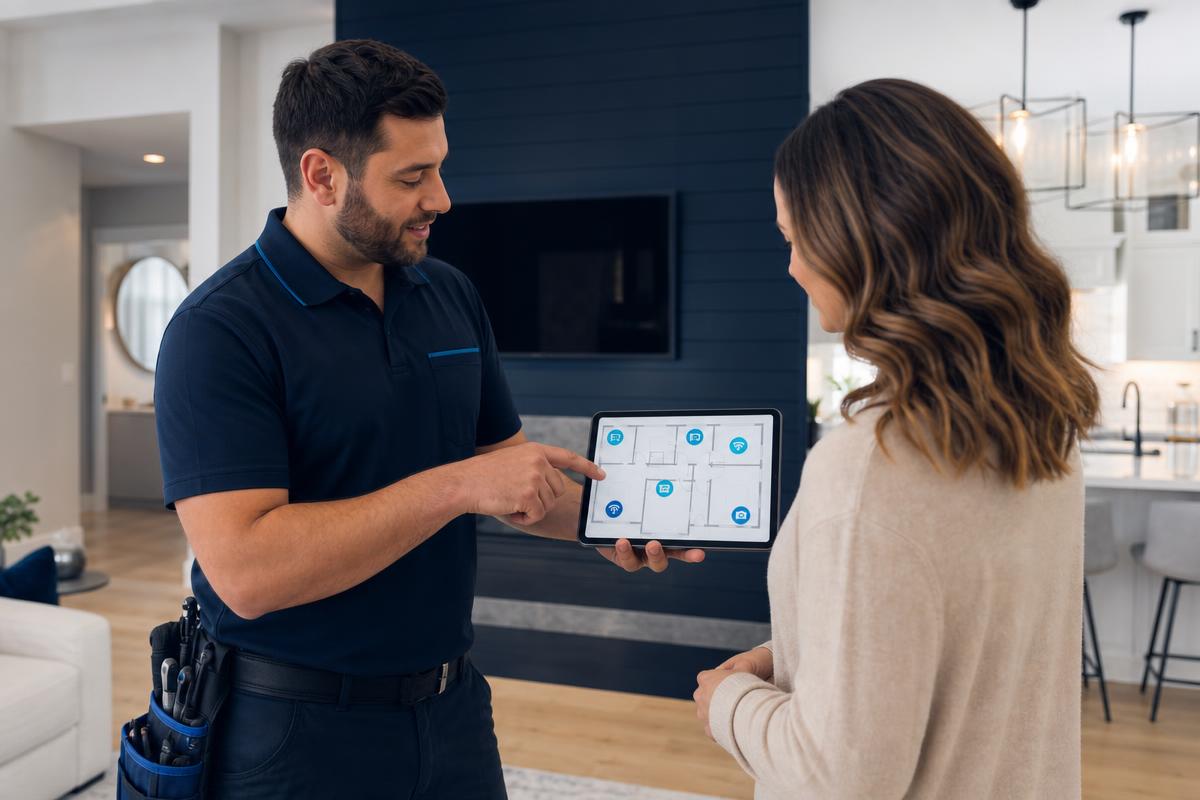
A site assessment is required before pricing because door conditions, routes and management requirements vary between properties. To prepare, a Burlington condo board or manager can identify the doors under consideration, known failures, desired credential types and any planned renovations. Available floor plans, hardware schedules, network information and existing service records are useful, even when incomplete. Access may be needed to electrical rooms, telecommunications spaces, parking levels and restricted service areas. A knowledgeable building representative should attend so operational questions can be resolved and unknown conditions recorded rather than converted into unsupported assumptions.
Different parts of Burlington present different access-control contexts. Downtown Burlington and Aldershot include varied building ages and renovation histories, while Alton Village contains newer construction with its own finished-space and coordination requirements. Beyond condos, local projects often involve lakefront homes, mid-century bungalows and small commercial plazas. Commercial strips or industrial units may share parking, service doors or landlord-controlled infrastructure with residential uses. When a project crosses ownership boundaries, written landlord or condominium approval is important before routes, exterior devices or shared communications equipment are altered. The assessment identifies these interfaces for review.
After the visit, the written scope sets out the proposed equipment, cable routes, device placement, exclusions, equipment ownership and warranty. It can also identify work expected from locksmiths, electricians, IT providers, fire-alarm contractors or building personnel. Requests sent during business hours are answered the same day; after-hours requests are answered the next business day. Site assessment timing depends on the service and travel distance. Once approvals and dependencies are clear, installation, on-site configuration, testing and handover can be scheduled around building access, resident notices and the practical requirements of an occupied Burlington condominium.
- List proposed doors and known issues
- Gather available plans and service records
- Arrange access to restricted building spaces
- Confirm board, manager or landlord approvals
- Review the written scope before scheduling
Burlington neighbourhoods we cover
- Downtown Burlington
- Aldershot
- Alton Village
- Millcroft
- Roseland
- Tyandaga
- Orchard
Condo access control systems in Burlington — common questions
Does our Burlington condo need approval before installation?
Usually, work affecting common elements, shared wiring spaces, exterior walls or building operations requires condominium approval. A landlord’s approval may also apply in mixed-use or leased areas. UnifiedLink provides a written scope showing equipment, locations, routes, exclusions, ownership and warranty so the responsible parties can review the proposed Burlington work before drilling, cabling or hardware changes begin.
Can you reuse our existing fobs and readers?
Possibly, but compatibility must be confirmed during the site assessment. Reader technology, credential format, controller support, cable condition and database quality all matter. In a Burlington retrofit, UnifiedLink identifies accessible existing components and states what will remain or be replaced. Reuse is not assumed simply because a reader still powers on or an older fob opens one door.
Will access control work during a power outage?
Outage behaviour depends on the locking hardware, power supplies, backup capacity and required release conditions. During the Burlington site assessment, these components and dependencies are reviewed for each opening. The written design should define intended behaviour rather than promise that every door operates identically. Emergency egress and any fire-alarm interface requirements must also be coordinated with the appropriate parties.
How are exterior readers protected from Burlington winters?
Exterior work considers device suitability, mounting surfaces, cable entries, drainage, sealing and the condition of the complete door assembly. Burlington’s moisture and freeze-thaw cycles can expose weak penetrations, shifting frames or poor thresholds. Readers are mounted and penetrations sealed for the assessed location, while mechanical problems such as binding doors or failed weather seals are identified for correction.
Can managers add and remove resident credentials themselves?
Yes, when the selected platform and permissions are configured for customer administration. UnifiedLink completes on-site configuration and hands the system over with the condominium’s own credentials. Authorized Burlington property staff can then manage routine additions, suspensions and schedules within their assigned roles. The condo remains responsible for deciding who receives access and for protecting administrator accounts.
What happens before you provide pricing?
UnifiedLink completes a site assessment before pricing. The visit reviews doors, locking hardware, construction, pathways, controller locations, network dependencies and operating requirements. A written scope then covers equipment, cable routes, device placement, exclusions, ownership and warranty. Assessment timing in Burlington depends on the service and travel distance, allowing the proposal to reflect observed site conditions rather than assumptions.
Coverage in Burlington is confirmed against the address before we quote. See everything we install in Burlington or the province-wide condo access control systems page.