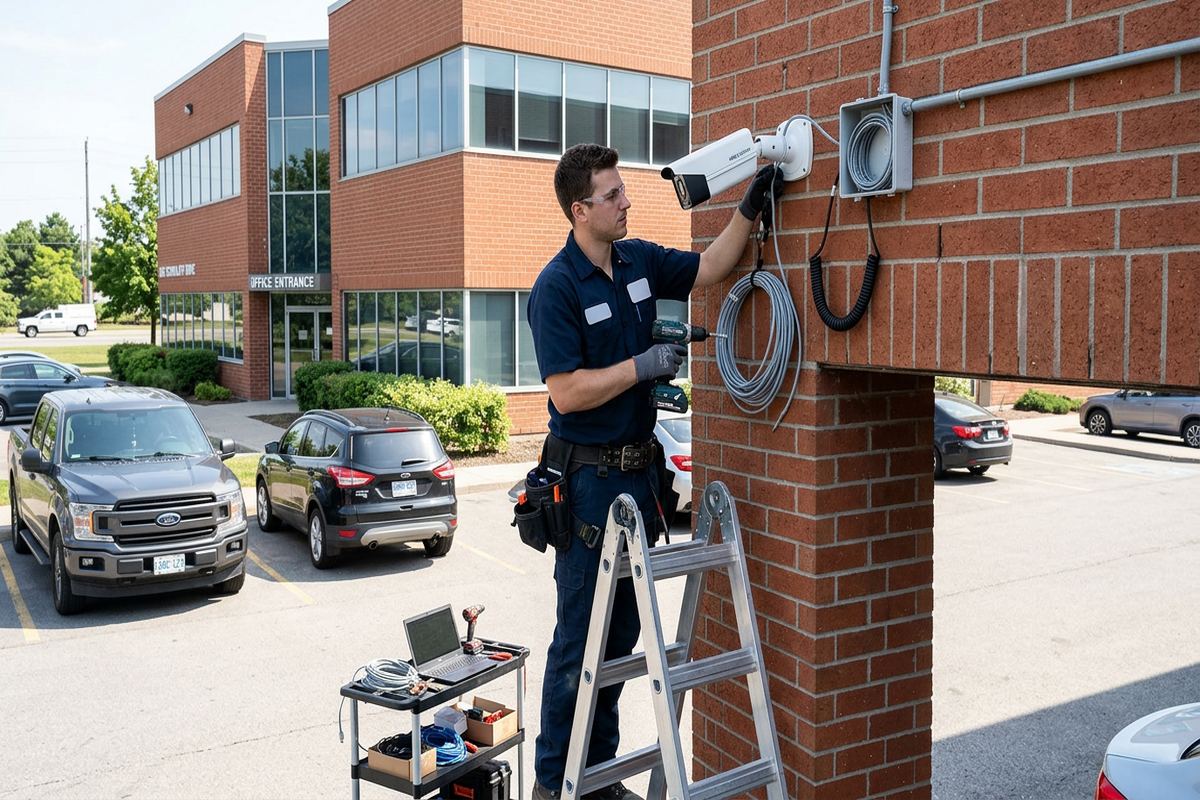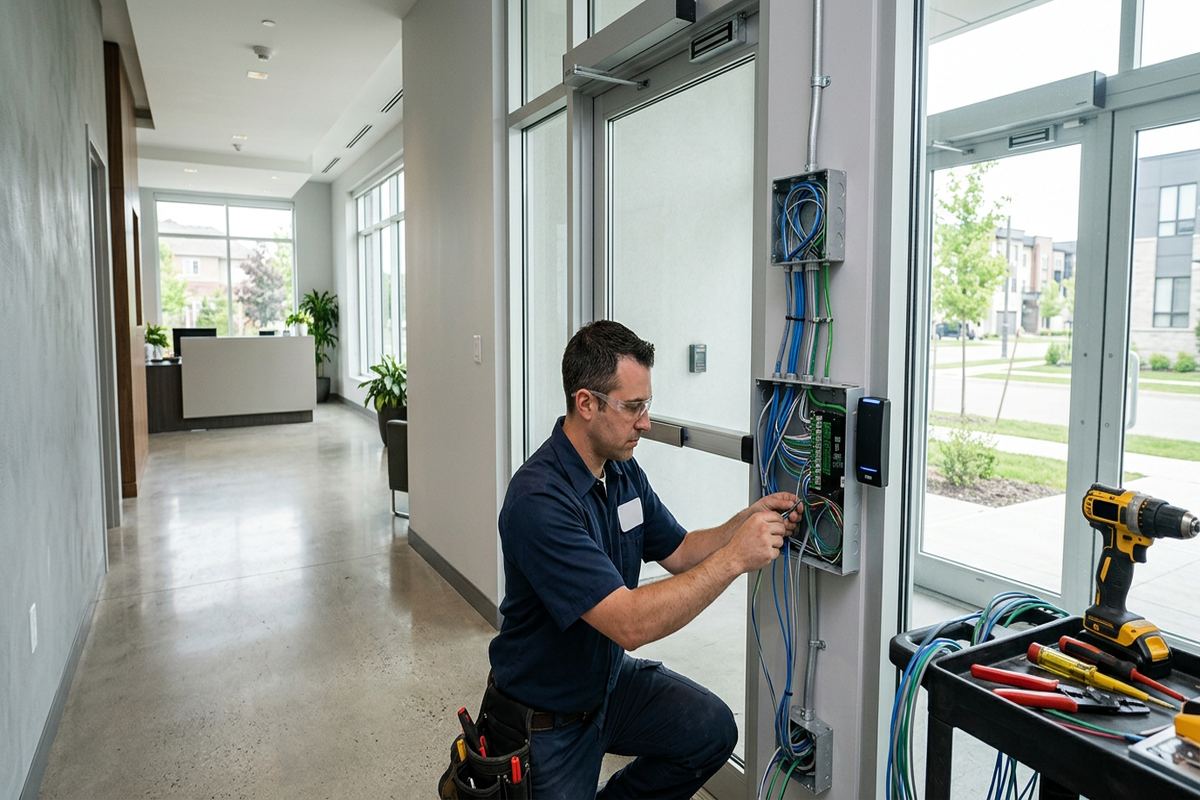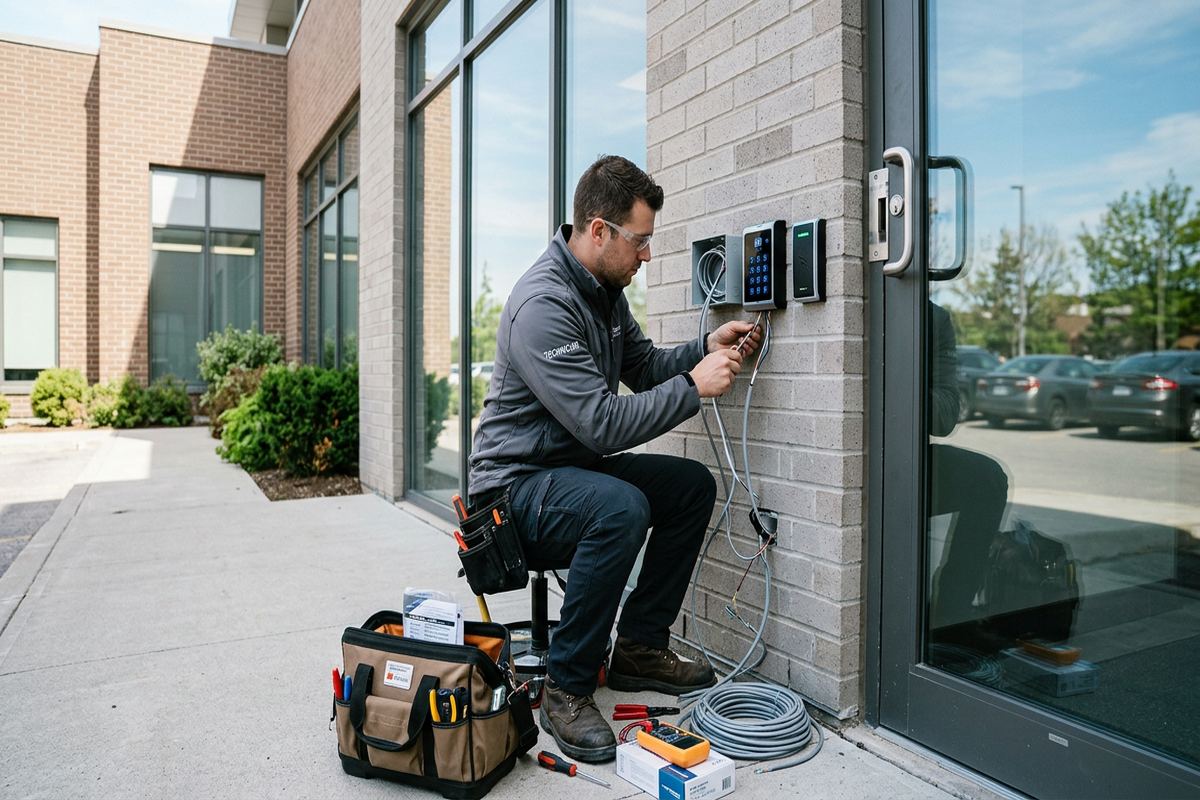
UnifiedLink installs commercial access control systems for offices, retail spaces, industrial units, mixed-use properties and shared facilities in Bowmanville. We assess each site before pricing, document door hardware and cable routes, configure the system on site and provide a practical handover. New construction, tenant improvements and retrofits are planned around the building, daily operations and required approval process.
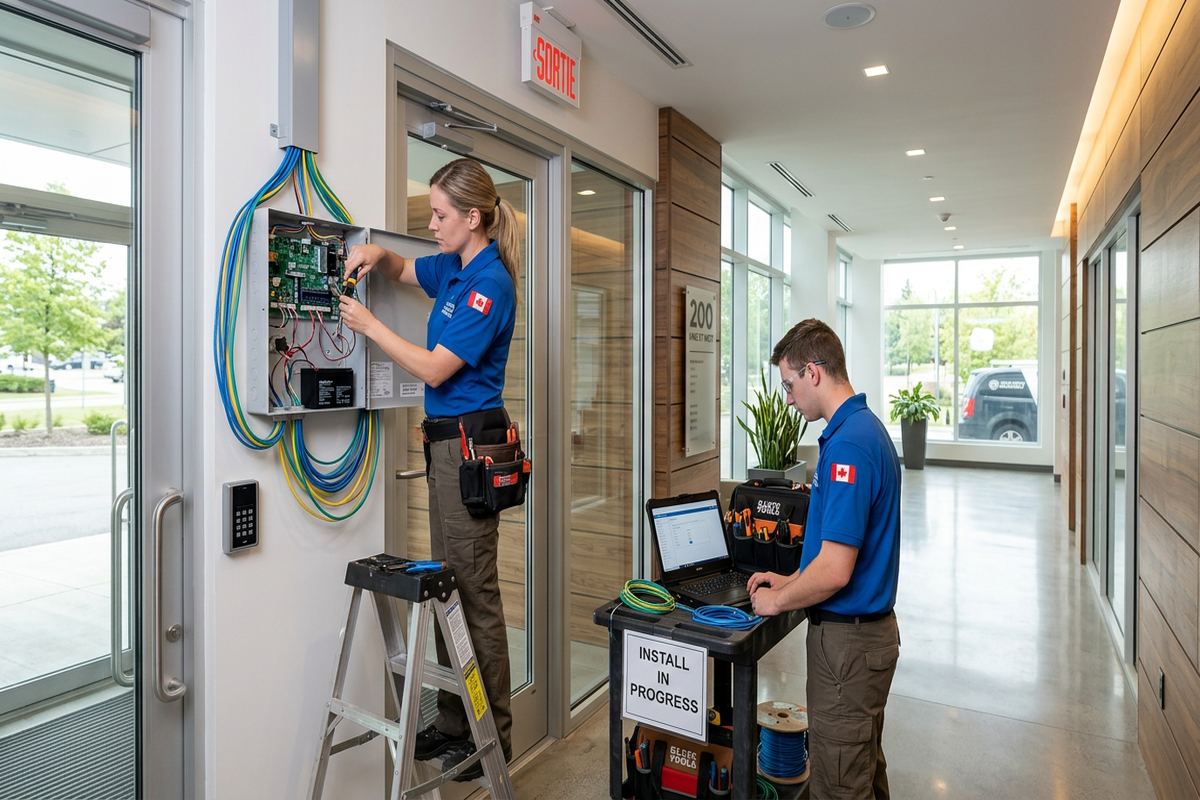
Commercial Access Control Planning in Bowmanville
A reliable access control installation starts with the door, not the card reader. During a Bowmanville site assessment, we review how each entrance is used, who requires access and what should happen during normal operation, a power interruption or an emergency. Existing locks, frames, closers, exit devices and fire-rated assemblies are documented before equipment is selected. This prevents a system design from overlooking worn hardware, difficult cable paths or doors that do not close consistently. Pricing follows the assessment so the proposed scope reflects actual site conditions rather than assumptions.
Bowmanville properties range from older buildings near the historic main street to newer commercial spaces serving west-side subdivision growth. Older masonry buildings can require careful routing to avoid unnecessary surface damage, while modern frame construction may provide concealed pathways if drawings and wall access are available. We also check telecommunications rooms, electrical availability, network locations and pathways between floors. For occupied premises, the plan identifies when doors can be taken out of service and how staff, customers, deliveries and contractors will move safely while installation work is underway.
The written scope covers equipment, cable routes, device placement, exclusions, equipment ownership and warranty. It also distinguishes access control work from locksmith, glazing, door replacement, electrical, fire alarm or network work that may require coordination with others. For leased units, shared entrances or condominium commercial spaces, landlord, property manager or condo approvals should be confirmed before drilling, cabling or changing common door hardware. Defining these responsibilities early gives the owner a clear basis for approval and reduces changes after hardware has been ordered or installation has begun.
- Door and opening condition review
- User groups and access schedule planning
- Cable pathway and network assessment
- Landlord or condominium approval requirements
- Written scope before installation
Choosing Door Hardware for Bowmanville Buildings
Every controlled opening needs hardware suited to its construction and function. We review whether the door is aluminum storefront, hollow metal, wood, glass or part of a rated assembly, then consider the existing latch, strike, panic hardware and closer. Electric strikes, electrified locks and magnetic locks operate differently and cannot be treated as interchangeable parts. Egress requirements, accessibility, fire alarm interfaces and local inspection requirements may affect the design. Where specialized door work is required, the access control scope identifies the necessary coordination instead of concealing it within a generic reader installation.
Downtown Bowmanville retrofits often involve finished interiors, masonry walls, narrow service spaces or storefront systems that were never designed for low-voltage wiring. Surface raceway may be more appropriate than disruptive wall opening, but its route, colour and attachment method should be agreed upon first. Penetrations through masonry need suitable anchors and careful placement to protect the surrounding material. In newer units around Waverley or Northglen, accessible ceiling spaces and frame construction may simplify routing, although fire separations, insulation and finished tenant areas still need to be respected throughout the work.
Door condition directly affects system performance. A reader can accept a credential correctly while a dragging door, weak closer or misaligned latch prevents secure locking. Before connecting electronic hardware, we identify alignment issues, damaged hinges, loose frames and weather pressure that may require correction. Exterior doors in Bowmanville also experience winter contraction, snow, ice and repeated freeze-thaw cycles. Hardware selection and adjustment should account for these conditions without relying on excessive force. The result should support secure closing while remaining practical for authorized users, deliveries and required emergency egress.
- Electric strike and lock compatibility
- Storefront, metal and wood door review
- Exit device and closer coordination
- Fire-rated opening considerations
- Winter door alignment assessment
Credentials, Readers and Entry Methods
Credential selection should match how the organization operates. Cards and fobs are straightforward for employees, while mobile credentials may suit teams already using managed smartphones. Keypads can support limited or temporary access, but shared codes reduce individual accountability if they are not changed and managed carefully. Some sites need several methods, such as staff credentials at main doors and scheduled keypad access for service areas. We discuss issuance, replacement, revocation and administration before configuration so the chosen approach remains manageable after the installer leaves the Bowmanville property.
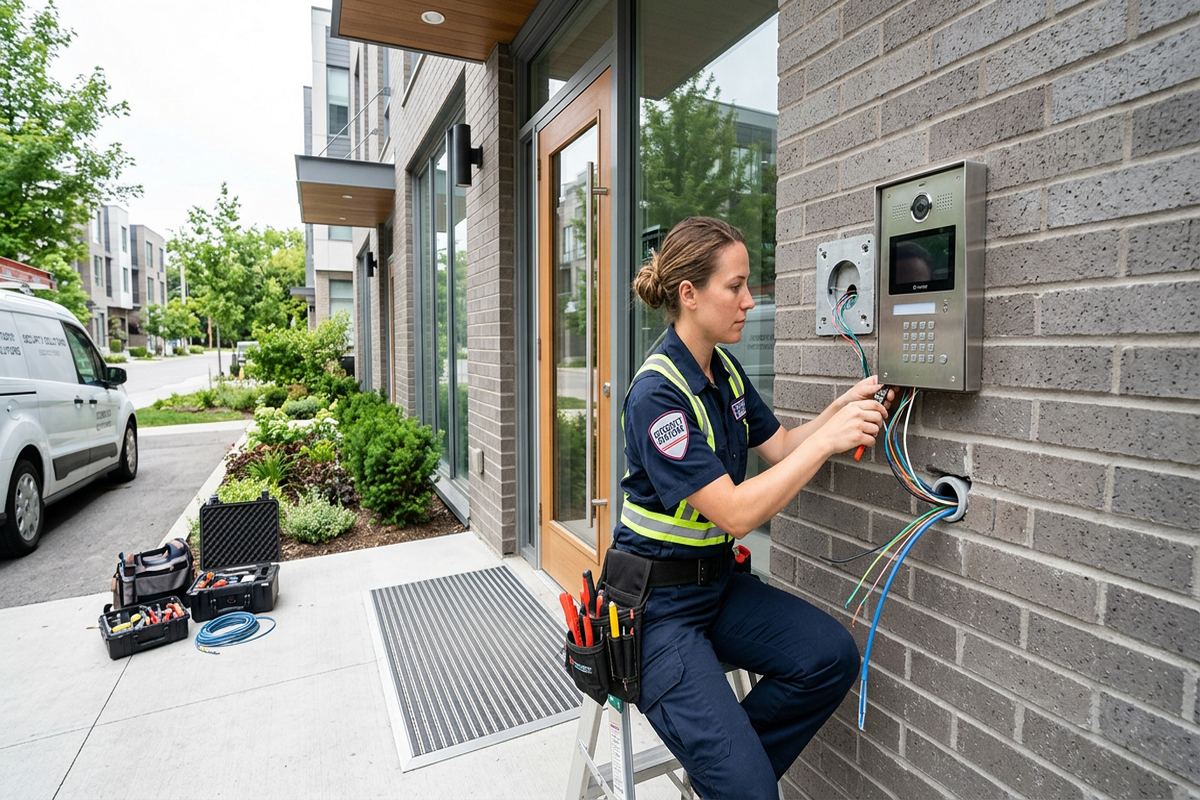
Reader location affects both usability and durability. Devices should be reachable, visible and positioned so users are not standing in the path of an opening door or vehicle. Exterior readers require appropriate environmental suitability, secure attachment and sealed cable entries. In Port Darlington and other exposed locations, wind-driven moisture, temperature changes and freeze-thaw conditions make mounting details particularly important. Sealants and gaskets must suit the surface and device rather than trapping water behind the reader. Masonry, metal panels and insulated frame walls each require a different fastening and penetration approach.
Access permissions are built around roles rather than giving every user unrestricted entry. Managers, employees, cleaners, contractors and delivery personnel may each need different doors and schedules. Holiday rules and temporary exceptions should be defined during configuration, along with the process for disabling lost credentials. For multi-tenant properties, data separation and administrative authority need careful planning so one tenant cannot manage another tenant’s users. The final arrangement should reflect who owns the system, who administers it and who is responsible for approving access changes after handover.
- Card, fob, mobile or keypad options
- Role-based door permissions
- Temporary and contractor access
- Lost credential revocation process
- Weather-conscious reader placement
Bowmanville, Ontario
Commercial access control installation in Bowmanville, scoped in writing first
Book a site assessment and get equipment, routes, exclusions, and warranty on paper before anything is installed.
Access Control Cabling and Network Integration
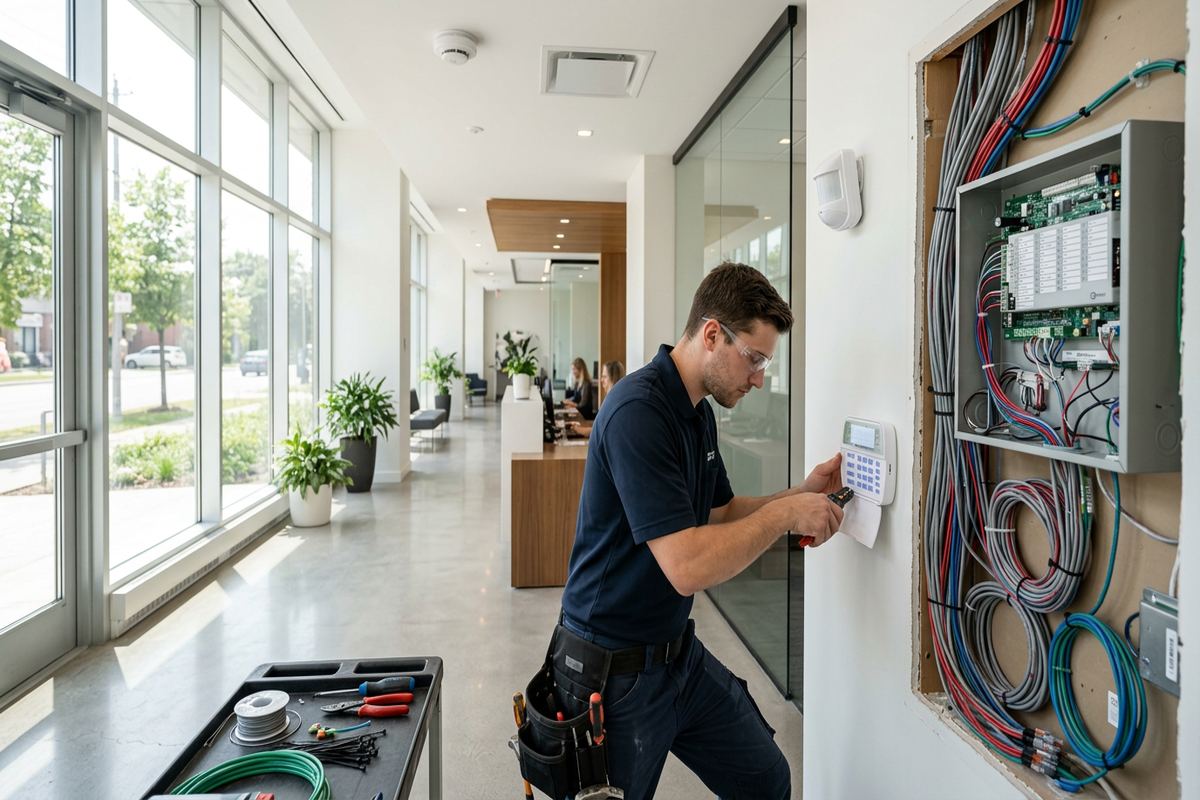
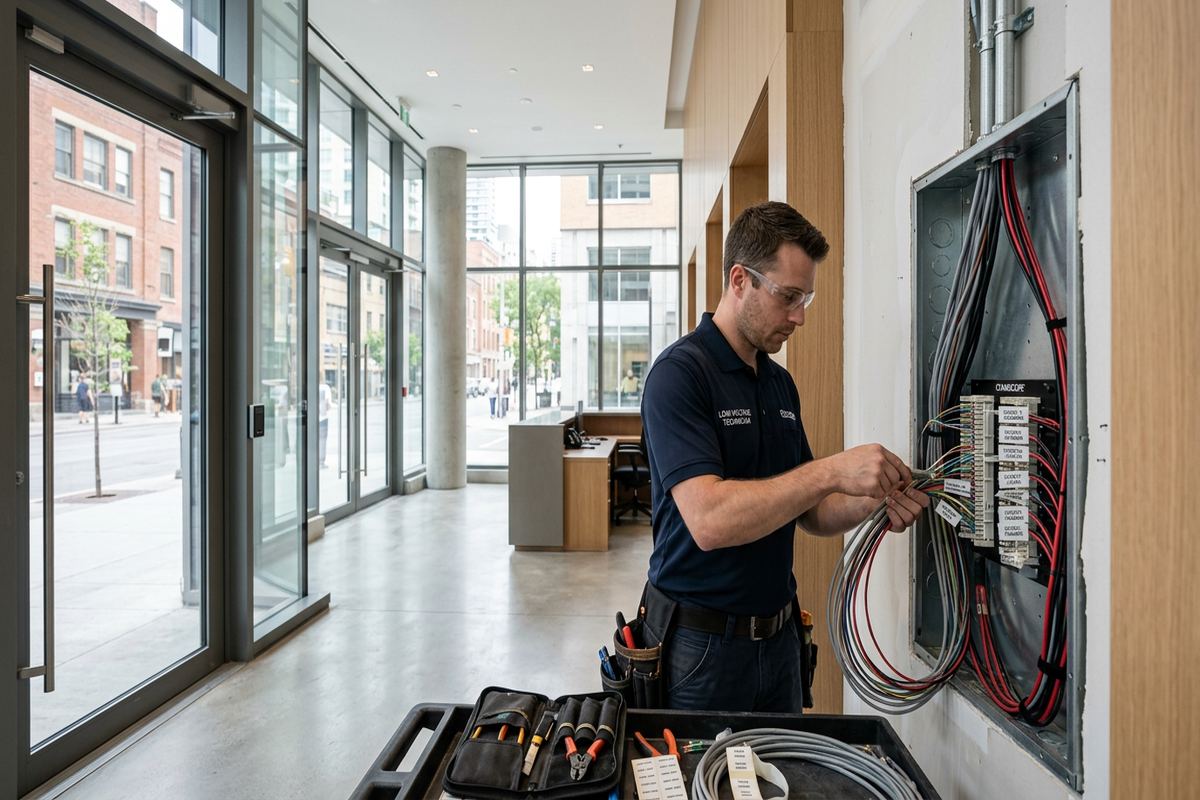
Access control depends on dependable pathways between readers, locks, door contacts, request-to-exit devices, controllers and power supplies. UnifiedLink installs continuous labelled cable runs where the project allows, avoiding undocumented joins hidden above ceilings or inside walls. Cable type and conductor count are selected for the device, distance and power requirement rather than using one cable for every function. Routes are planned around electrical interference, fire separations, accessible service points and future maintenance. Labels at both ends help technicians identify each opening without tracing unmarked bundles through an occupied Bowmanville building.
Network-connected controllers require coordination with the customer’s information technology policies. Before installation, we identify required switch locations, available ports, addressing responsibilities, remote-access expectations and any network separation requested by the organization. Access control should not be connected to an unknown network segment merely because a nearby jack is available. Cloud-managed and locally managed platforms also have different operating dependencies, account structures and update procedures. The scope clarifies what UnifiedLink configures on site and what the customer, managed service provider or corporate IT department must provide before commissioning can be completed.
Power design is equally important. Controllers, locks and supporting devices may have different loads, and locking hardware can behave differently during a power failure. Battery backup expectations, power supply locations and fail-safe or fail-secure operation are reviewed door by door. Any required interface with fire alarm, automatic door or elevator systems must be identified for specialist coordination and testing. In commercial strips or industrial units around Bowmanville, long cable distances and separate tenant services can affect controller placement. Accessible, protected equipment locations make future inspection and maintenance more practical.
- Continuous labelled low-voltage runs
- Controller and power supply planning
- Network requirements documented in advance
- Battery backup expectations reviewed
- Specialist interfaces identified in scope
Bowmanville Retrofit Installation and Pre-Wire Work
The combination of Bowmanville’s historic main street and rapid subdivision growth on the west side keeps both retrofit and pre-wire work active. Retrofit projects require investigation because existing walls, ceilings and door frames may conceal obstacles or previous modifications. We use available service spaces and agreed surface routes where concealed cabling is impractical. Pre-wire projects allow pathways, controller locations and door loops to be coordinated before finishes close. Both approaches still require a door schedule, device plan and confirmation that selected hardware matches the final doors supplied to the project.
For an occupied retrofit, work sequencing matters as much as cable routing. Entrances may need to remain available for customers, staff, residents or deliveries, so each opening is scheduled and returned to a safe operating state. Dust control, ceiling access and temporary restrictions are discussed before work begins. In Downtown Bowmanville, this can be especially important for narrow storefronts or mixed-use properties with shared circulation. Industrial units may offer more physical space, but loading doors, warehouse traffic and shift changes introduce different constraints that must be included in the installation plan.
During new construction or a tenant improvement, early coordination helps prevent missing conduits, unsuitable frames or power supplies placed far from controlled doors. We review drawings where available and confirm field conditions because layouts can change during construction. Cable is labelled and protected until devices are ready, with extra care around unfinished entrances exposed to moisture or cold. Before walls close, pathway questions and door interface details should be resolved with the general contractor and relevant trades. A pre-wire is only useful when its endpoints, cable purpose and final connection requirements are clearly documented.
- Occupied-building retrofit sequencing
- Pre-wire before walls and ceilings close
- Masonry and frame routing methods
- Coordination with doors and finishes
- Protected, labelled cable endpoints
Exterior and Shared Entrance Control
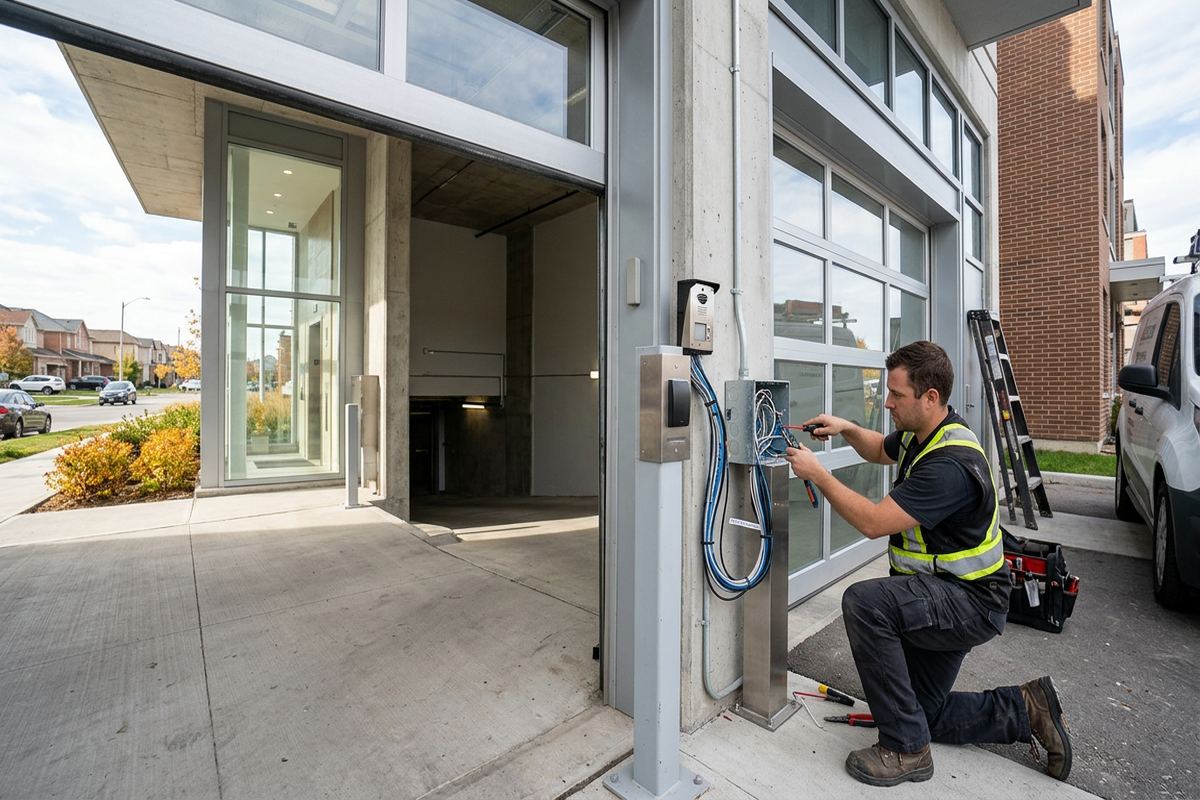
Exterior entrances require more than an indoor reader mounted outside. The opening is exposed to precipitation, temperature swings, road salt carried by users and moisture around thresholds and frames. We assess reader rating, cable entry, fasteners, sealant compatibility and drainage before mounting. Winter freeze-thaw cycles in Bowmanville can open poorly prepared penetrations or worsen existing frame movement. Exterior equipment should be attached to sound material, and penetrations should be sealed without blocking intended drainage paths. Door contacts and locking hardware also need placement that remains serviceable after weather seals and trim are installed.
Shared entrances introduce questions about authority and responsibility. In a condominium, mixed-use property or multi-tenant commercial building, the person requesting access control may not have permission to alter the common door. Written approval may be required from a condominium corporation, landlord or property manager, particularly when cabling crosses common areas or equipment connects to shared power and networks. The system design should identify who owns controllers and credentials, who can add users and how departing tenants are removed. These decisions are important in Liberty, Port Darlington and other areas with shared-property arrangements.
Vehicle gates, loading areas and service entrances need site-specific review. Reader placement should let a driver present a credential without creating an unsafe reach or blocking public circulation, while equipment requires protection from impacts and snow clearing. Gate operators, safety devices and emergency access requirements are separate considerations that may involve specialist contractors. For loading areas, door schedules can limit entry outside receiving periods while preserving access for authorized staff. Any intercom, camera or remote-release connection should be documented so users understand which system provides identification, authorization and recorded activity.
- Exterior-rated reader installation
- Sealed and serviceable penetrations
- Shared-door approval planning
- Gate and loading entrance assessment
- Documented remote-release operation
System Configuration, Testing and Bowmanville Handover
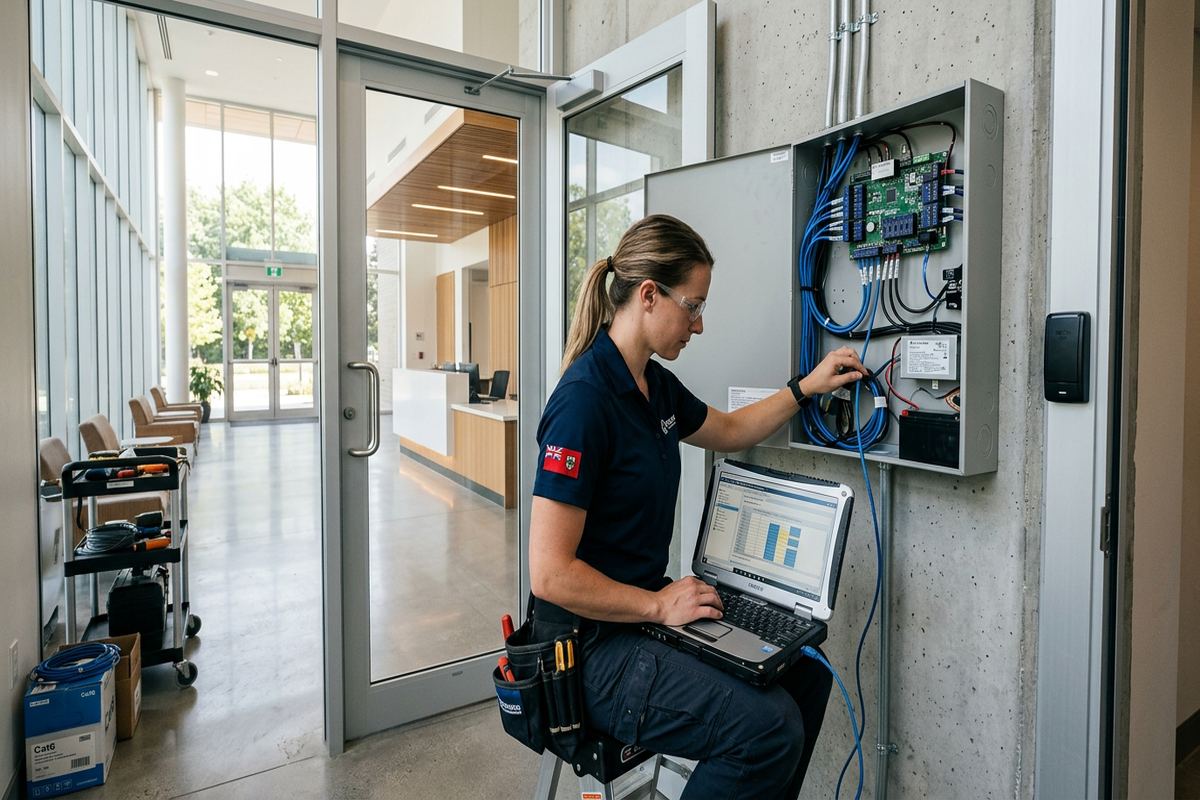
Once devices are installed, configuration turns separate components into an operating access control system. We create agreed door names, schedules, user groups and event settings, then test credentials at each controlled opening. Door contacts, request-to-exit devices, lock release and held-open or forced-door events are checked where included. Tests cover normal entry as well as practical exceptions, including expired permissions and doors outside scheduled hours. On-site configuration in Bowmanville allows observed door behaviour to be compared with the software event history, making it easier to identify hardware adjustment or wiring issues.
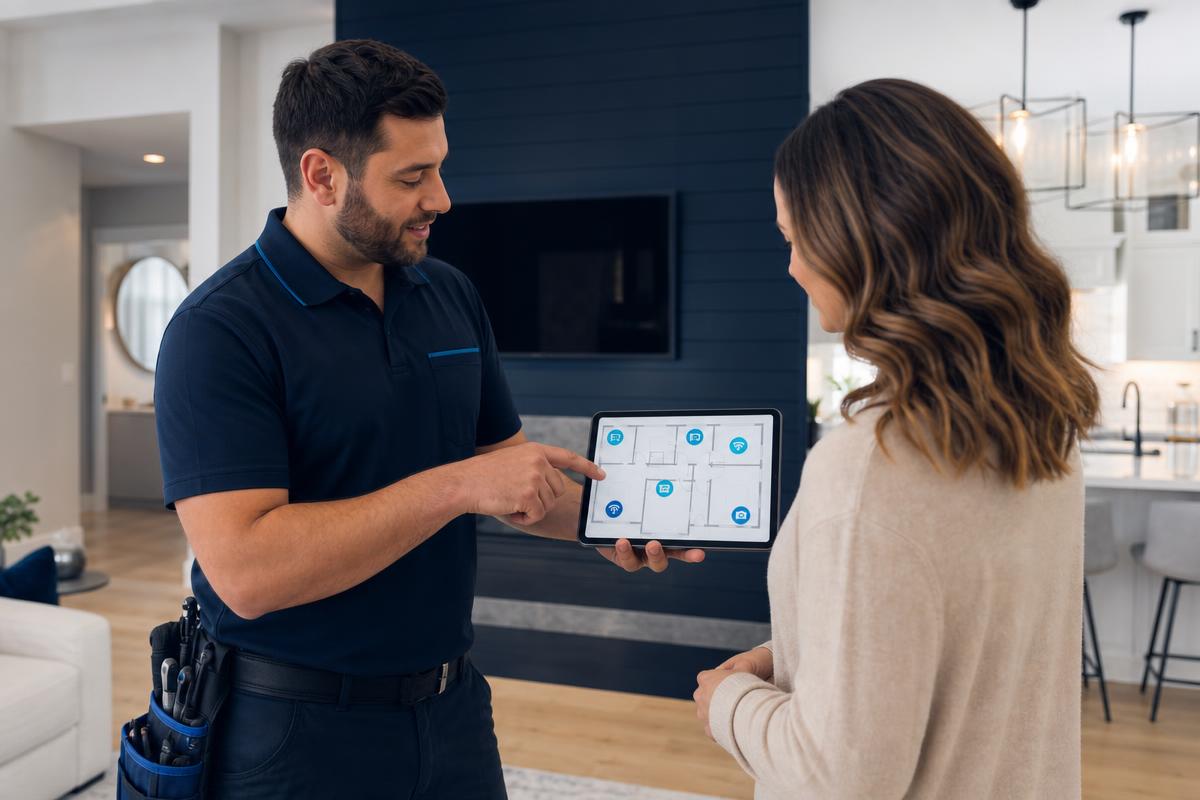
Handover is completed using the customer’s own credentials rather than leaving the organization dependent on an installer-controlled account. Authorized administrators are shown how to add and remove users, assign permissions, review events and respond to common alerts supported by the chosen platform. We also explain any dependencies involving internet service, customer networks, subscriptions or third-party applications. Passwords and administrative rights should be stored through the customer’s normal security process. If several departments share responsibility, the organization should designate who approves access and who performs routine changes in the system.
The as-built record identifies installed device locations and relevant cable or controller information, reflecting the completed work rather than only the original proposal. Labels and records support later troubleshooting, renovations and door changes. The final review also notes exclusions or follow-up work assigned to another contractor, such as door adjustment, electrical work or fire alarm verification. With one accountable low-voltage contractor for the defined access control scope, Bowmanville owners and managers have a clear point of coordination for cabling, device installation, configuration, testing and documented handover.
- Door-by-door operational testing
- Customer-owned administrator credentials
- User management instruction
- As-built system record
- Outstanding coordination items documented
Maintaining Commercial Access Control
Access control requires routine administration after installation. Lost cards or fobs should be disabled promptly, temporary credentials should expire as planned and former staff should be removed from applicable groups. Managers should periodically confirm that schedules still match operating hours, particularly after seasonal changes or organizational restructuring. Event logs can help investigate a reported access issue, but they are most useful when door names and user records remain accurate. A written internal process for approving access changes reduces informal workarounds and keeps responsibility clear within the Bowmanville organization.
Physical openings also need inspection. Changes in door alignment, damaged closers, loose handles and worn weather seals can affect locking even when electronics are functioning correctly. Bowmanville winters may make an exterior door behave differently than it did during warmer commissioning conditions, especially after repeated freezing and thawing. Staff should report doors that require force, fail to latch or remain held open rather than treating them as reader failures. Prompt mechanical correction can prevent avoidable strain on electrified hardware and preserve consistent security at the opening throughout the year.
Future renovations should account for the installed system before walls, ceilings or doors are altered. Replacing a storefront, relocating a reception area or dividing an industrial unit can affect cables, controller capacity and access permissions. The as-built record provides a starting point, but current field conditions should still be assessed before pricing additions. Requests sent during business hours are answered the same day, while after-hours requests are answered the next business day. Site assessment timing depends on the required service and travel distance, allowing the visit to match the actual issue or planned expansion.
- Credential and user record reviews
- Seasonal door condition checks
- Schedule and holiday updates
- Planning before renovations
- Documented expansion assessments
Bowmanville neighbourhoods we cover
- Downtown Bowmanville
- Waverley
- Northglen
- Liberty
- Port Darlington
Commercial access control installation in Bowmanville — common questions
What happens before you price a Bowmanville access control system?
UnifiedLink completes a site assessment before pricing. We review each proposed door, existing hardware, cable routes, network and power requirements, user groups and operating schedules. The written scope covers equipment, device placement, routes, exclusions, equipment ownership and warranty. For leased or shared Bowmanville properties, we also identify approvals or coordination that should be completed before installation starts.
Can access control be retrofitted into an older Downtown Bowmanville building?
Often, but the pathway and door condition must be assessed first. Older masonry, finished ceilings, storefront frames and shared walls can limit concealed cabling. We may propose agreed surface raceway or use available service spaces. Existing locks, closers and frames are also checked because electronic access will not correct a door that drags, fails to latch or has unsuitable hardware.
Do I need landlord or condominium approval?
Approval may be required if you lease the unit, modify a common entrance, route cable through shared space or connect equipment to common power or networks. This is relevant for mixed-use and condominium properties in Bowmanville, including shared buildings in Liberty or Port Darlington. The property owner, landlord, condominium corporation or manager should confirm authority before drilling or changing door hardware.
Will the access control system work during a power failure?
That depends on the specified locking hardware, controller power and battery backup. During the Bowmanville assessment, we review expected behaviour for each door, including fail-safe or fail-secure operation and required egress. Backup duration is not assumed without understanding the equipment load. Fire alarm, automatic door or other life-safety interfaces may also require coordination and testing by the appropriate contractors.
Can you install access control during business operations?
Many Bowmanville retrofits can be sequenced around normal operations, although each door may need temporary restrictions while hardware and wiring are installed. We discuss staff movement, customer entry, deliveries and safe egress before work begins. Busy storefronts and industrial units may require staged work or access through another entrance. The agreed schedule and operational constraints are included in project planning.
Who owns the administrator account after installation?
The customer receives the system using the customer’s own credentials. At handover, authorized staff are shown how to manage users, schedules and supported event functions. UnifiedLink also provides an as-built record for the completed installation. Any cloud service, subscription, customer network dependency or third-party account requirement is identified in the written scope so ownership and ongoing responsibilities are clear.
Coverage in Bowmanville is confirmed against the address before we quote. See everything we install in Bowmanville or the province-wide commercial access control installation page.