UnifiedLink installs structured cabling for homes, offices, commercial properties and industrial facilities across Belleville and the Bay of Quinte. We plan cable routes, install continuous labelled runs, terminate and test connections, configure network equipment on site, and provide an as-built record. Each project starts with an assessment so the design reflects the property, devices and expected network use.
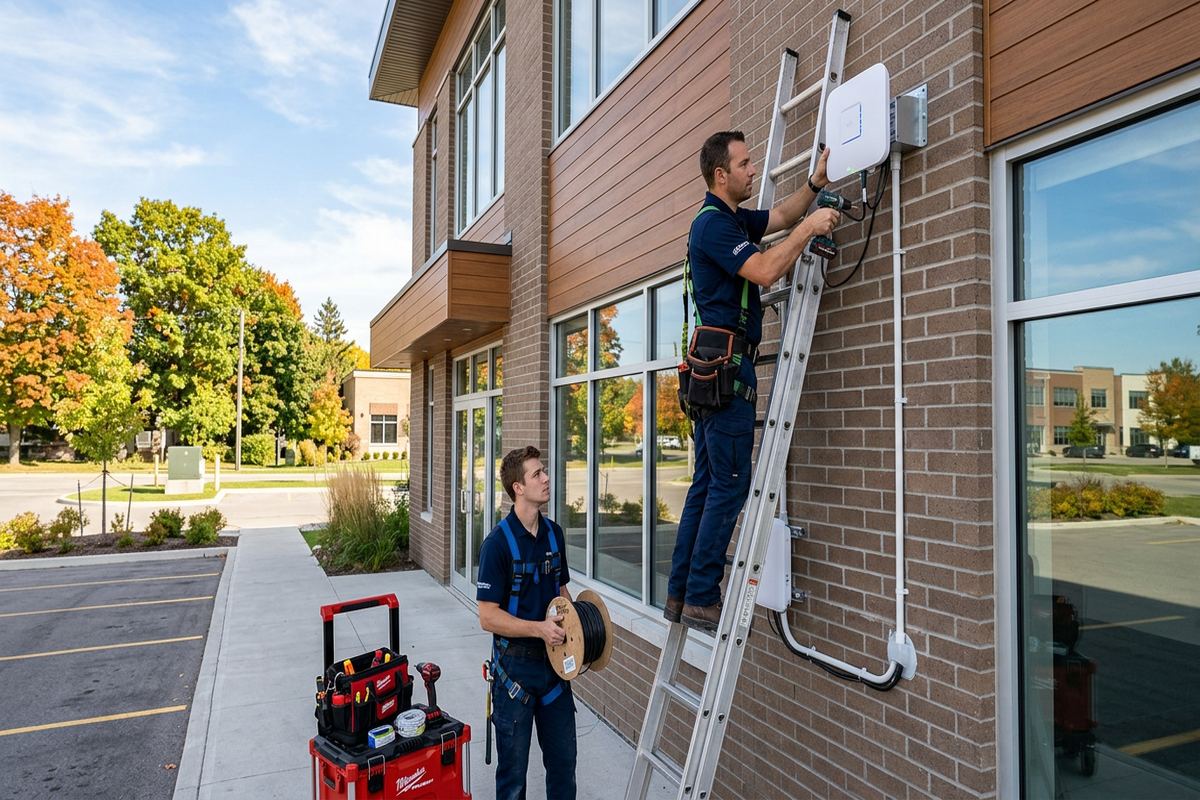
Structured Cabling Designed for Belleville Properties
A useful cabling system starts with the building rather than a standard device list. Older downtown buildings, waterfront homes and food-processing plants each require a different plan. During a Belleville site assessment, we review construction, available pathways, network equipment, device locations and future needs. The resulting written scope identifies equipment, cable routes, device placement, exclusions, equipment ownership and warranty. This process helps prevent inaccessible terminations, unnecessary wall openings and cable paths that conflict with electrical, mechanical or production systems elsewhere in the property.
Building construction strongly affects installation methods. Masonry walls in Downtown Belleville may limit concealed routes or require careful surface pathways, while frame homes in East Hill can offer access through basements, attics and wall cavities. Finished ceilings, additions and earlier renovations may interrupt otherwise direct runs. We trace practical paths before installation and discuss visible raceway where concealed work is not sensible. Penetrations are planned around structure and existing services, with suitable sealing at exterior transitions and attention to areas exposed to moisture or changing temperatures.
Structured cabling should support current connections without making later changes unnecessarily disruptive. We consider computers, wireless access points, cameras, printers, phones, displays, access-control equipment and other networked devices when laying out outlets and consolidation points. Cable categories and hardware are selected for the required application and route conditions, not simply because a higher category exists. Runs remain continuous and labelled from the network location to each outlet. At handover, customers receive an as-built record that makes future troubleshooting, additions and equipment changes easier to manage.
- Site assessment before project pricing
- Written scope with routes and exclusions
- Continuous runs from cabinet to outlet
- Labels matched to the as-built record
- Planning for present and future devices
Home Network Cabling Across Belleville
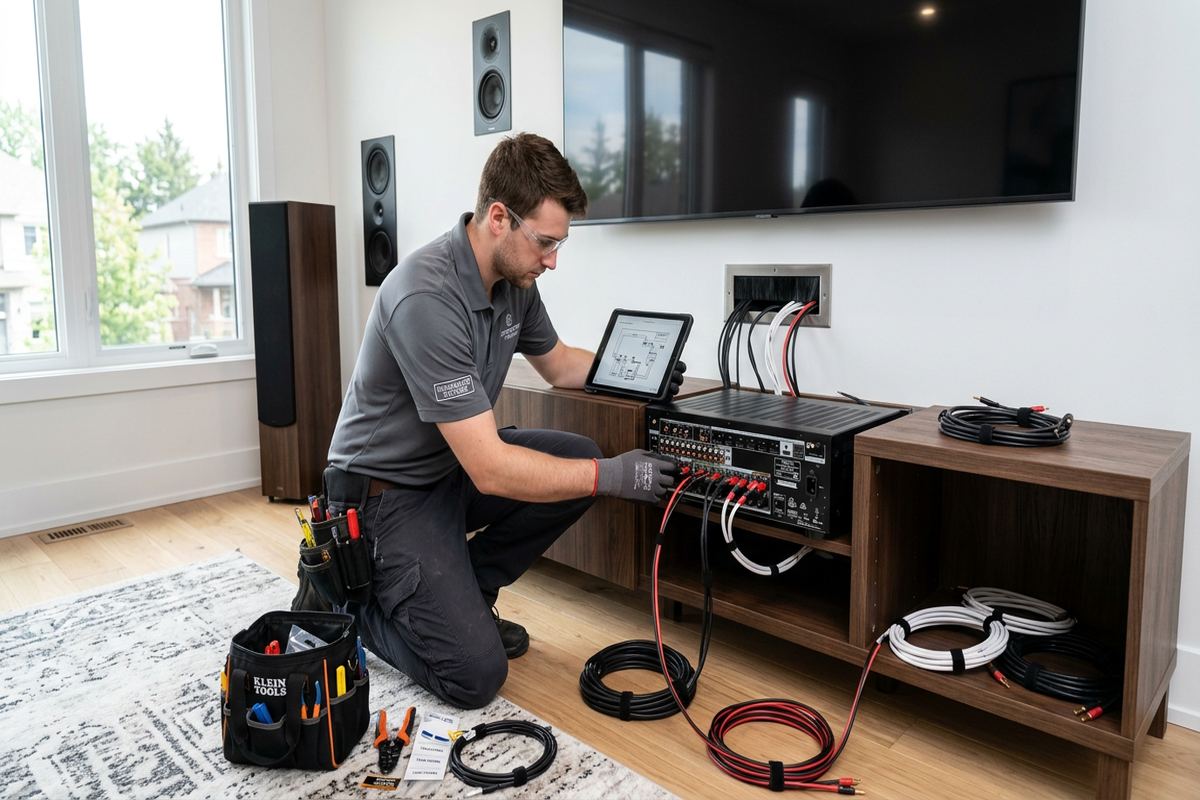
Homes often depend on wireless service even where fixed cabling would provide a steadier connection. In Belleville houses, we commonly plan wired points for work areas, televisions, gaming equipment, wireless access points and security devices. The network location must have suitable space, ventilation, power and access for maintenance. A central position is useful, but the best route depends on the structure. Finished basements, insulated exterior walls and previous additions can change what is practical, so outlet placement and cable routing are confirmed before openings are made.
Waterfront homes around the Bay of Quinte need particular attention at exterior transitions. Freeze-thaw cycles, wind-driven moisture and winter temperature changes can affect poorly sealed penetrations and exposed cable. Where a network connection serves an exterior camera, detached structure or outdoor access point, we evaluate the route, cable environment and mounting surface. Exterior openings require appropriate sealing and drip-aware routing rather than an untreated hole through siding or masonry. Indoor-rated cable is kept inside unless the complete pathway protects it, and exposed sections require products suited to their location.
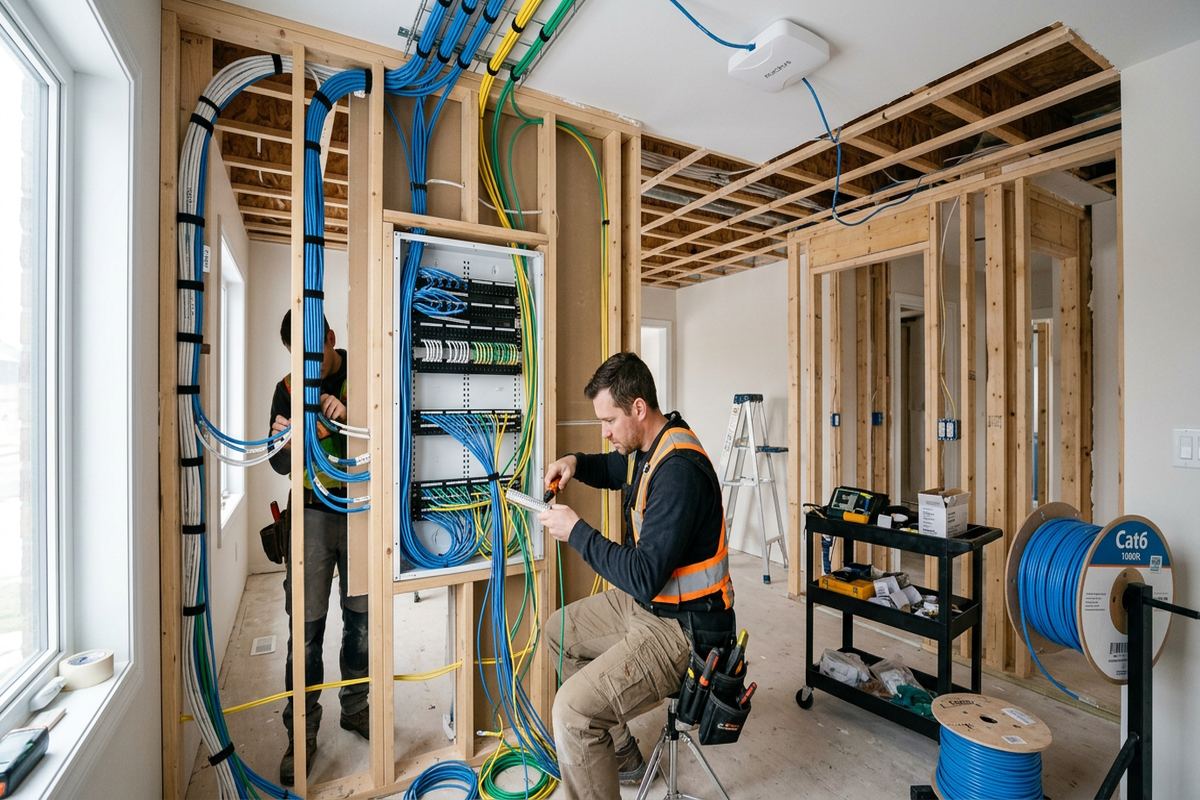
Renovations create a useful opportunity to install cabling before walls and ceilings close, but occupied homes can also be wired with careful route planning. In West Park Village, Thurlow and Point Anne, layouts may range from compact houses to larger properties with detached work areas. We discuss which runs can be concealed and where a tidy surface pathway is the more responsible choice. For condominiums, rentals and landlord-controlled properties, customers should obtain required approvals before work begins, particularly for common walls, exterior mounting, shared spaces or building-owned telecommunications rooms.
- Data outlets for offices and media areas
- Cabling for ceiling-mounted wireless access points
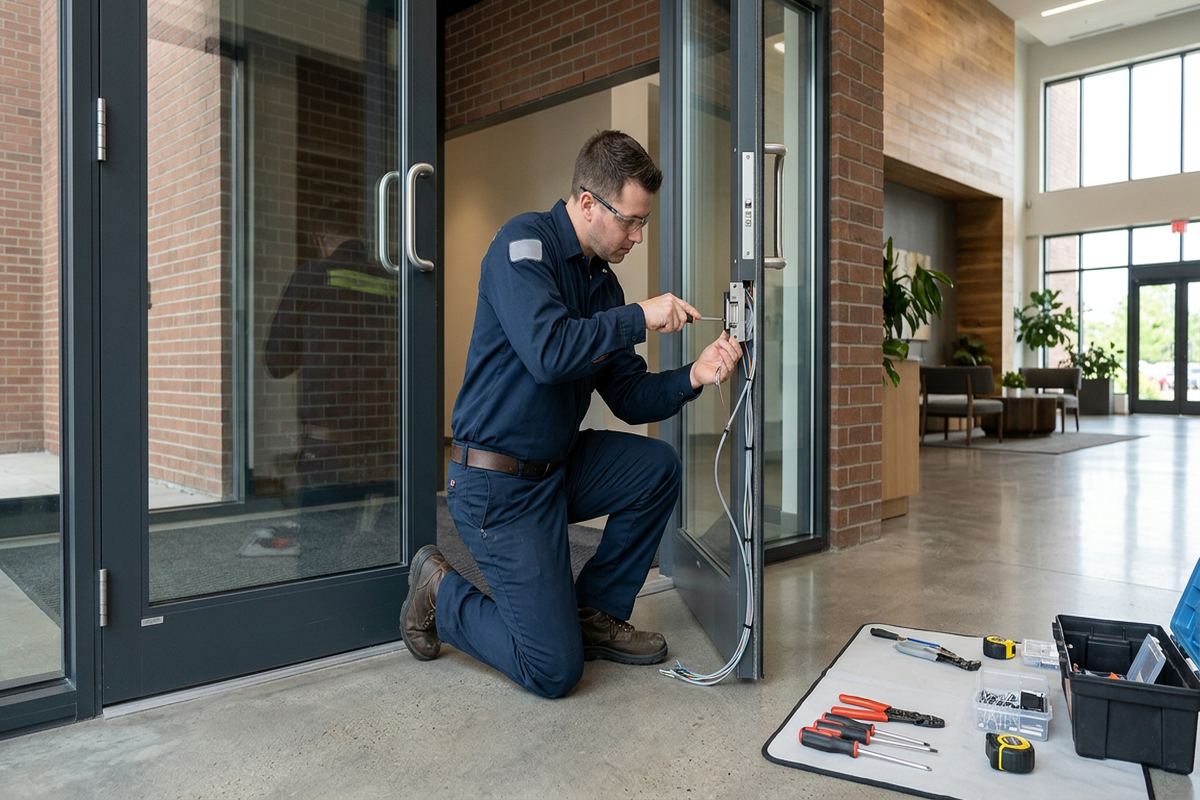
- Routes for cameras and connected door systems
- Exterior penetrations planned and sealed
- Options for finished and unfinished spaces
Planning Cable Routes in Older Buildings
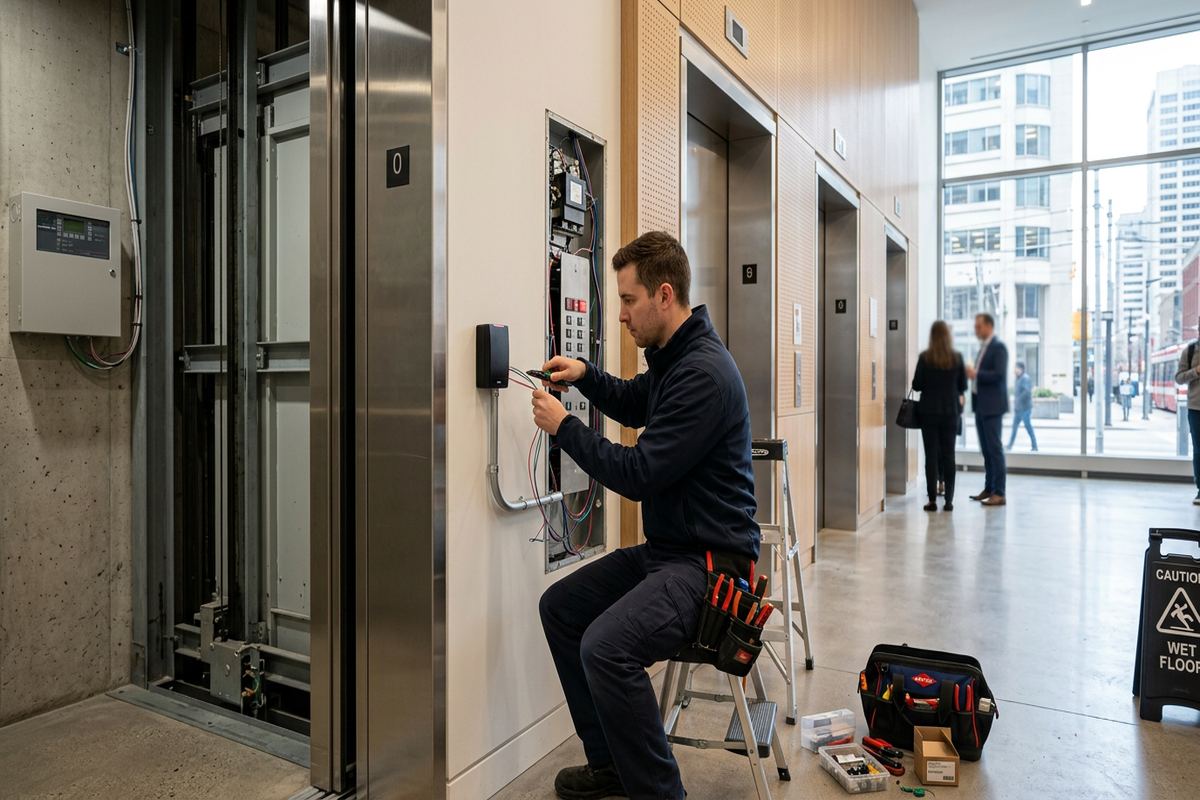
Older Downtown Belleville buildings can contain several generations of renovation behind finished surfaces. Masonry partitions, wood framing, dropped ceilings and unused cables may all appear within one property. We do not assume that an apparent pathway continues from one floor to another. The assessment considers ceiling access, wall thickness, fire separations, service shafts and the location of electrical equipment. Where concealed routing would cause broad damage or uncertain results, a planned raceway can provide a clean, accessible route while preserving the ability to inspect, maintain or extend the cabling.
Existing cable should be evaluated before it is reused. An outlet plate may hide an unterminated run, an unlabelled splice or cable that follows an unsuitable route. We identify accessible endpoints and assess whether the installed medium supports the intended connection. When replacement is required, abandoned materials are addressed according to the agreed scope rather than left to create confusion. New terminations are labelled consistently at both ends, and patch-panel positions correspond with room or outlet identifiers. This creates a network layout that another technician or property manager can understand without guesswork.
Commercial strips and mixed-use buildings also require coordination with tenants, landlords and other contractors. A cable route for a ground-floor business may pass near another unit or through a shared service area, making permission and scheduling important. In Belleville, we ask who controls telecommunications rooms, ceiling spaces, exterior walls and utility areas before installation. The written scope records access assumptions and exclusions so responsibility is clear. If construction, electrical or ceiling work is underway, cabling can be sequenced with those trades to reduce reopened finishes and avoid conflicts.
- Assessment of accessible existing pathways
- Consistent labels at both cable ends
- Raceway options for difficult masonry routes
- Coordination with landlords and tenants
- Documentation of shared-area access requirements
Belleville, Ontario
Structured cabling installation in Belleville, scoped in writing first
Book a site assessment and get equipment, routes, exclusions, and warranty on paper before anything is installed.
Belleville Business and Office Cabling
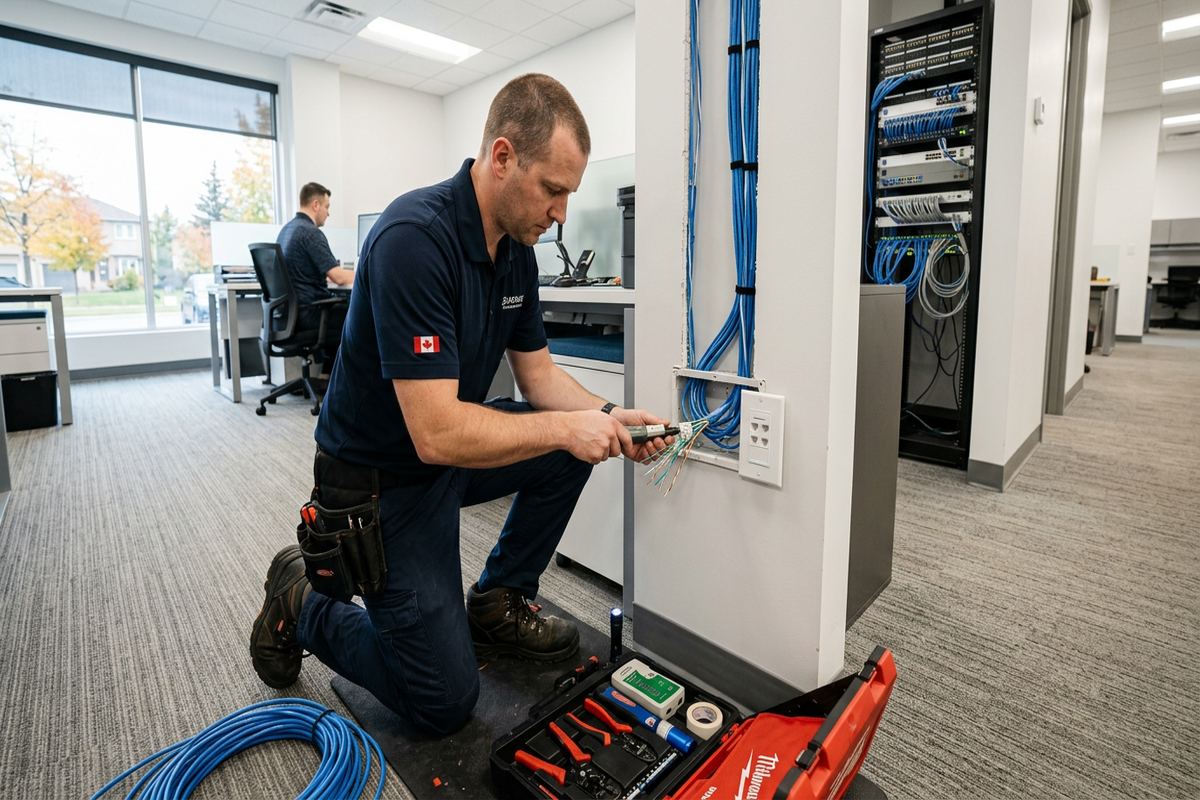
Business networks need more than enough outlets for today’s desks. A Belleville office plan should account for workstations, meeting rooms, printers, phones, displays, wireless coverage, cameras and possible layout changes. We review where staff and equipment will operate, then group runs into practical pathways leading to an organised network location. Cable supports, bend limits and separation from power are considered throughout installation. The goal is a maintainable system with identifiable connections, not a bundle of loose cables that becomes difficult to trace after furniture or personnel move.
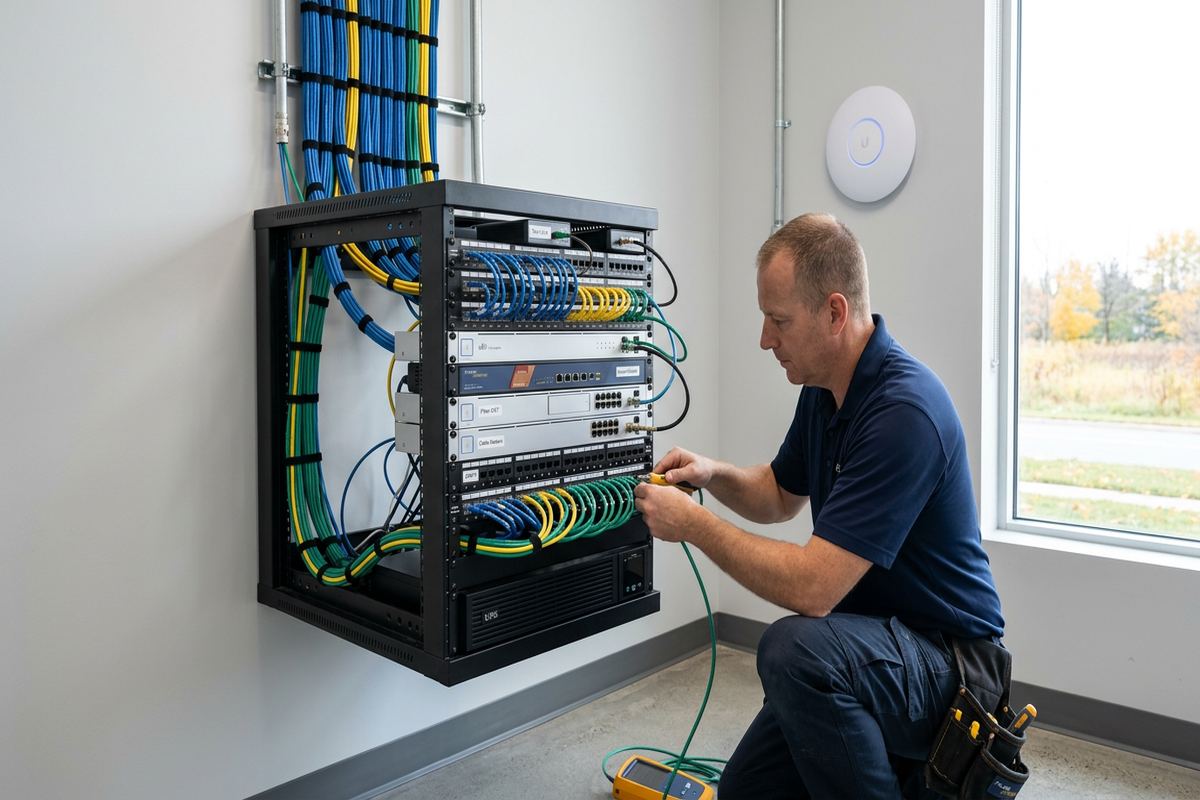
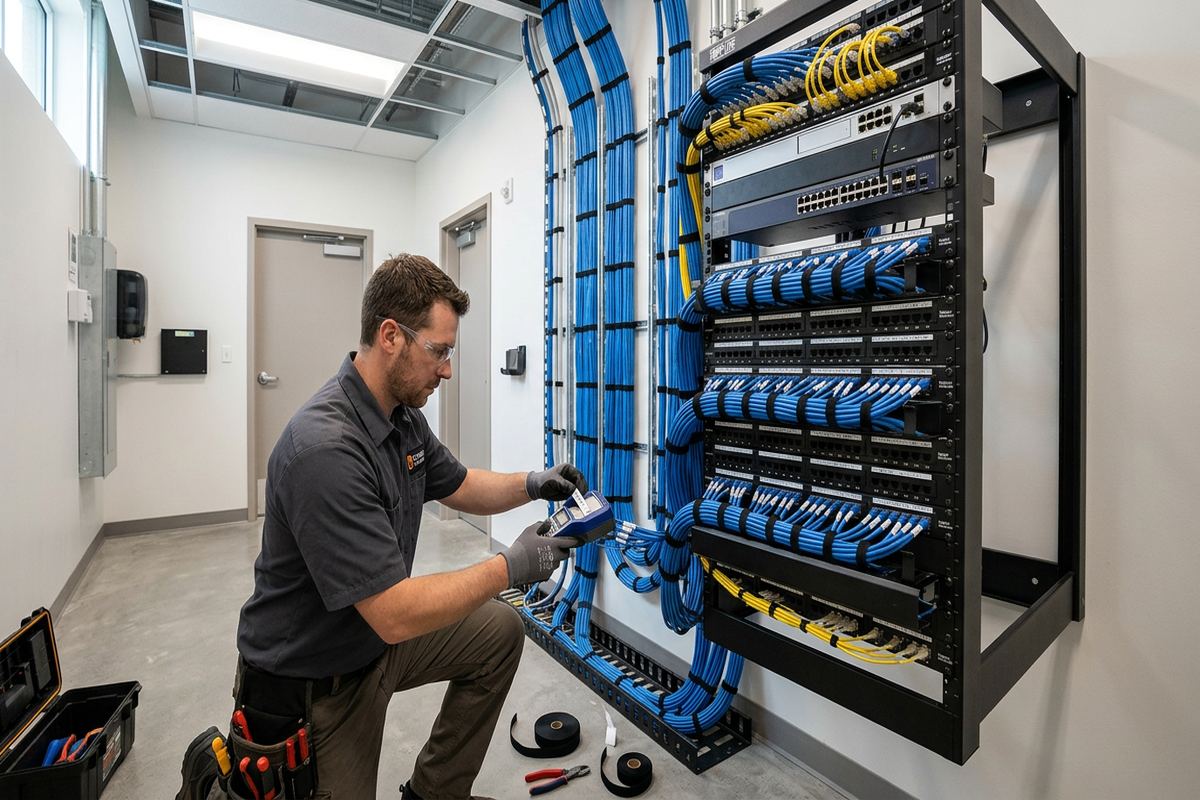
Network cabinets and racks must be positioned where equipment can be powered, ventilated and serviced without disrupting normal work. Small commercial units may only need a compact wall-mounted arrangement, while larger floors can require more distribution space and pathway planning. Patch panels provide fixed termination points, and properly selected patch leads connect those points to switches. We label ports to match the outlet schedule and confirm the customer’s equipment ownership. Where UnifiedLink configures network equipment, the system is handed over using the customer’s own administrative credentials rather than credentials controlled by an installer.
Wireless performance also depends on the wired infrastructure behind each access point. Placing all access points beside an internet modem rarely serves a long, divided or multi-level commercial space effectively. We plan data runs to proposed mounting positions based on layout, construction and intended use. Masonry, shelving, equipment and dense occupied areas can affect coverage, so cabling should make suitable placement possible. On-site configuration can include adopted access points and network settings within the agreed scope. Final testing confirms the physical connections, while performance remains dependent on connected equipment and internet service.
- Workstation and meeting-room outlets
- Patch panels with matching port labels
- Cabling for phones, displays and printers
- Data runs for planned access-point locations
- Customer-controlled administrative credentials
Cabling for Industrial and Production Spaces
Food-processing plants and other industrial units near Belleville require planning around operations, cleaning practices, equipment and restricted areas. Office-style cabling methods are not automatically appropriate on a production floor. We review environmental exposure, mounting surfaces, pathway protection and where network hardware can be located safely. Routes may need coordination with maintenance personnel and other trades to avoid process equipment, electrical distribution and mechanical services. The assessment also identifies shutdown restrictions or access procedures supplied by the customer, allowing the written scope to reflect conditions that affect installation.
Industrial cabling should remain organised from the network cabinet to each field connection. Long pathways, high ceilings and multiple rooms make labels and documentation especially important. We plan supported routes rather than laying cable loosely over ceilings or equipment. Device locations may include workstations, wireless access points, cameras, controllers or displays, depending on the customer’s system design. Where moisture, washdown activity, dust or temperature variation is present, equipment and enclosures must be selected for that environment. Those requirements are identified explicitly instead of assuming ordinary indoor hardware will be suitable.
Bayside and other commercial or industrial areas can include standalone units, shared buildings and spaces adapted for new operations. Each arrangement changes how service entrances, network rooms and tenant boundaries should be handled. Before cabling begins, we confirm which areas are controlled by the customer and where property approval is needed. Exterior links or devices receive route and sealing review because Belleville winters can expose mounting points to freeze-thaw movement. A clear scope also separates cabling work from customer equipment, internet-provider work, electrical work or building repairs not included in the project.
- Routes coordinated with operating requirements
- Supported pathways through production areas
- Environmental review for devices and enclosures
- Labels suited to large, complex layouts
- Clear boundaries between contractor responsibilities
Installation, Termination and Testing in Belleville
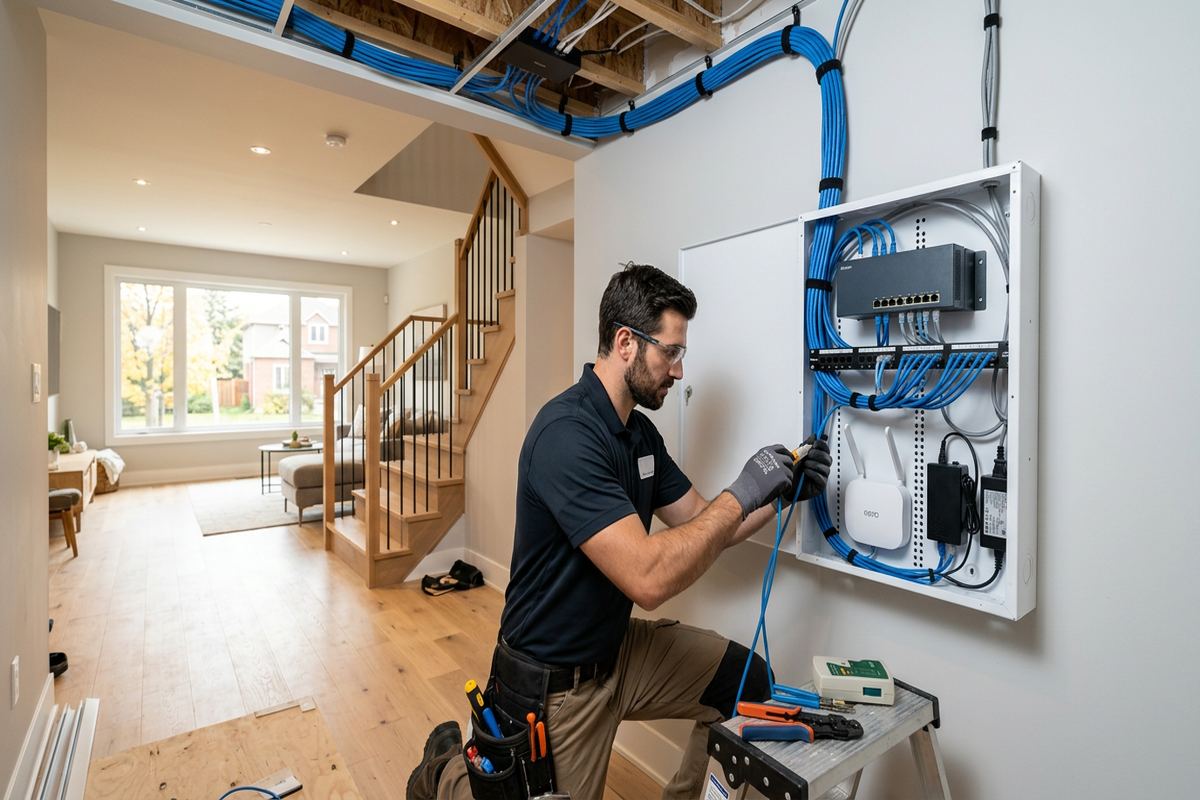
Once the scope is approved, installation follows the documented routes and device locations. Cable is pulled as a continuous run wherever the design calls for a permanent link, avoiding hidden joins that complicate testing and repair. Each end receives a durable identifier before termination. We use compatible jacks, patch panels or connectors for the selected cable and application, then organise service loops without creating sharp bends or strain. In Belleville renovations, route conditions sometimes become visible only after access begins; any material change is discussed rather than quietly deviating from the agreed plan.
Termination quality directly affects whether a network link performs consistently. Cable geometry must be preserved near the connector, jackets should reach the termination correctly, and excess untwisting or crushing should be avoided. We test installed links using methods appropriate to the agreed system and record outlet identification so failed or crossed connections can be corrected before handover. Testing confirms the installed physical path under the chosen test approach; it does not promise internet speed, which also depends on the service plan, modem, switches, client devices, network configuration and external provider conditions.
After physical testing, on-site configuration can connect agreed switches, access points or related network devices. Settings are established with the customer’s own credentials, and ownership of supplied or customer-provided equipment is documented. The handover includes an as-built record showing outlet labels, endpoints and relevant equipment locations. Staff or household members can be shown the basic patching arrangement and how to identify a specific run. This practical closeout gives the customer control of the system and provides a reliable reference when another outlet, camera or access point is added later.
- Continuous cable runs without hidden joins
- Compatible jacks and patch-panel terminations
- Physical link testing before handover
- On-site configuration within the scope
- As-built outlet and endpoint record
Exterior, Winter and Multi-Building Cabling
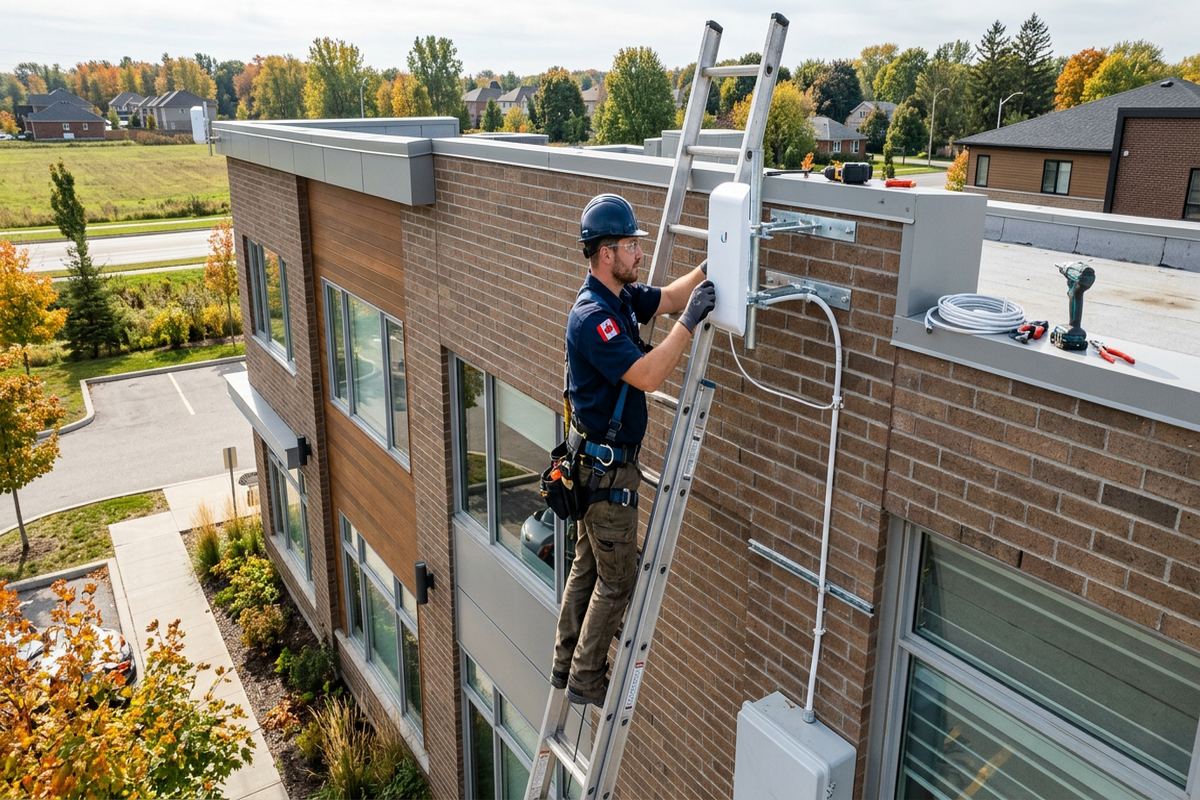
A route that leaves the conditioned building envelope needs more planning than an ordinary interior run. Belleville’s winters and repeated freeze-thaw conditions can stress poorly positioned penetrations, loose exterior cable and unsuitable mounting materials. We consider siding, brick, concrete and frame construction when selecting an entry point. Openings are kept deliberate, cable paths are arranged to discourage water movement, and penetrations are sealed with materials appropriate to the surrounding surface. Exterior-rated components are used where exposure requires them, while connectors are protected from locations where moisture can collect.
Detached garages, workshops and secondary buildings raise additional design questions. Copper data cabling has distance, bonding and electrical-environment considerations, and it is not always the preferred method between buildings. Fibre or a properly designed wireless link may be more suitable depending on distance, pathway, available power and intended use. We assess the site before recommending an approach. Any trenching, conduit or civil work must be clearly included or excluded in writing, and underground routes should be coordinated with property information and the appropriate locating process before excavation occurs.
Waterfront homes and properties in Thurlow or Point Anne may have longer outdoor routes than central Belleville sites. Terrain, existing conduit, outbuildings and exposure can shape the design more than straight-line distance. A remote camera or access point still needs a maintainable pathway, suitable power strategy and protected termination location. We avoid treating exterior cable as an informal extension cord for data. The scope identifies where responsibility changes between building cabling, customer equipment and any contractor providing conduit, excavation, poles, electrical service or structural mounting.
- Sealed entries through masonry or siding
- Exposure-rated cable and hardware where required
- Fibre and wireless options between buildings
- Written responsibility for conduit or trenching
- Maintainable termination points for outdoor devices
A Clear Structured Cabling Process in Belleville
The process begins with a discussion of the property, connected devices, operational needs and timing. Requests sent during business hours are answered the same day, while after-hours requests are answered the next business day. Site assessment timing depends on the service and travel distance. At the Belleville property, we inspect accessible pathways and confirm assumptions that cannot be resolved from photographs or plans alone. This visit provides the basis for pricing and reduces the chance that important construction conditions, approvals or equipment needs are overlooked.
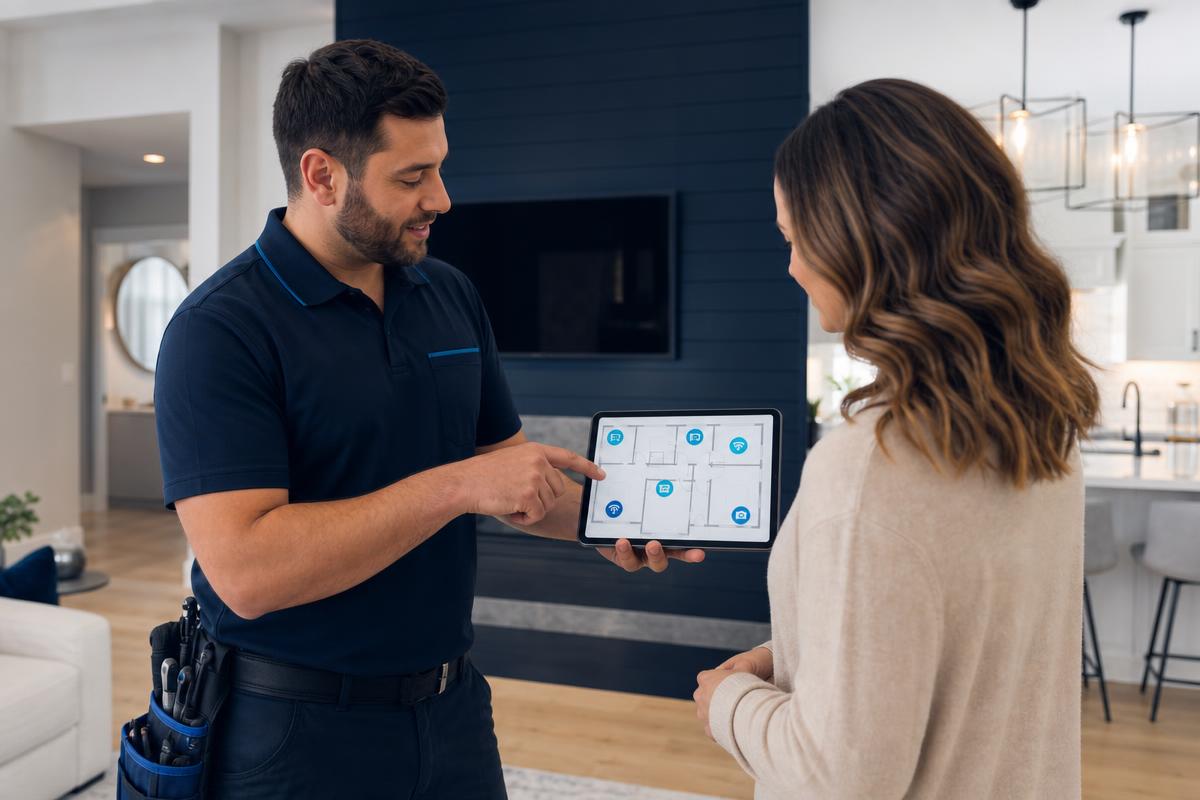
Following the assessment, we provide a written scope covering equipment, cable routes, device placement, exclusions, equipment ownership and warranty. Customers can review where outlets, cabinets and access points will be placed before installation begins. The scope also notes visible raceway, exterior work, customer-supplied equipment and any access requirements that affect the project. Pricing follows the site assessment rather than relying on a generic per-drop figure. That approach is particularly important where Belleville properties combine masonry, finished spaces, additions, shared areas or industrial operating constraints.
UnifiedLink remains the accountable low-voltage contractor for the agreed cabling work, from route planning through termination, configuration and handover. We coordinate our portion with the customer, property representative and relevant trades without blurring who owns each task. Completed runs are labelled, tested and recorded, and customer-controlled credentials are used for configured equipment. The final as-built record provides a practical map of the installed system. If future work is planned, the documentation helps determine which pathways, ports and cabinet positions are available before another cable is added.
- One accountable low-voltage contractor
- Assessment before written project pricing
- Scope reviewed before installation begins
- Customer credentials used at handover
- Documentation prepared for future changes
Belleville neighbourhoods we cover
- Downtown Belleville
- East Hill
- West Park Village
- Thurlow
- Bayside
- Point Anne
Structured cabling installation in Belleville — common questions
Do you provide cabling quotes before visiting my Belleville property?
Pricing follows a site assessment because route access, construction and device placement affect the work. A Belleville masonry commercial unit will not have the same installation conditions as a frame home or industrial facility. After assessment, UnifiedLink provides a written scope covering equipment, cable routes, device placement, exclusions, equipment ownership and warranty.
Can you install network cable in an older Downtown Belleville building?
Yes, where practical routes and required permissions are available. Older Downtown Belleville properties may have masonry walls, layered renovations, limited ceiling access or shared service spaces. We inspect accessible pathways and discuss concealed routes, surface raceway and landlord coordination before pricing. Broad repair or construction work is only included when it appears in the written scope.
What cable category should I install?
The suitable category depends on required network performance, equipment, run length, pathway and environmental conditions. Choosing the highest category by name does not correct poor termination or unsuitable routing. For Belleville homes and businesses, we review expected devices and future use, then specify compatible cable, jacks and patch panels in the written project scope.
Can you run network cabling to a detached garage?
A detached building may be served by fibre, copper or a designed wireless link, depending on distance, available pathways, electrical conditions and intended use. Belleville weather and freeze-thaw exposure also affect exterior entries and mounting. We assess the property before recommending a method and clearly identify responsibility for conduit, trenching, power and other supporting work.
Will you test and label every installed run?
Installed permanent links are labelled at both ends and tested using methods appropriate to the agreed cabling system. Outlet identifiers correspond with the patch panel and as-built record. This allows a Belleville homeowner, business operator or future technician to trace connections without opening walls or following unmarked cable bundles through the property.
Do I need landlord or condo approval?
Approval may be required when work affects common walls, ceilings, exterior surfaces, shared telecommunications rooms or building-owned pathways. Belleville tenants and condominium owners should confirm those requirements before installation. UnifiedLink can document proposed routes and device locations in the scope, but the customer remains responsible for obtaining permissions unless another arrangement is explicitly recorded.
Coverage in Belleville is confirmed against the address before we quote. See everything we install in Belleville or the province-wide structured cabling installation page.