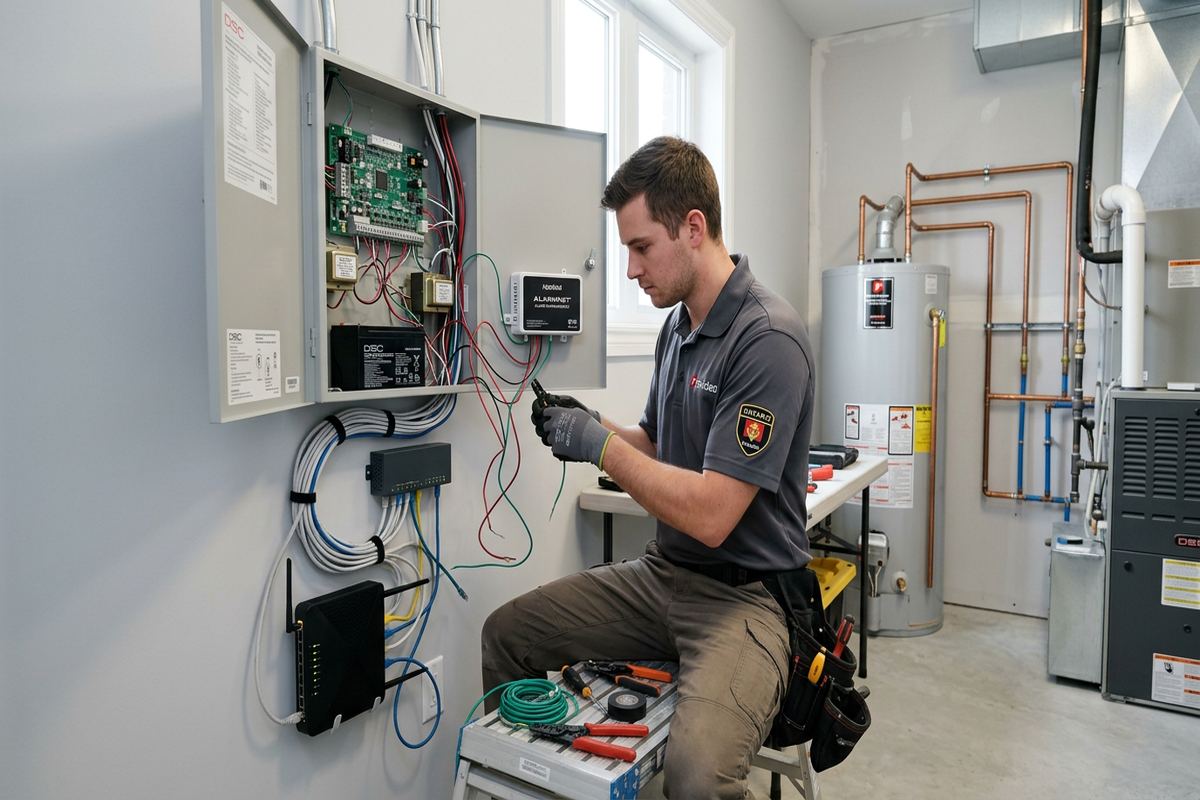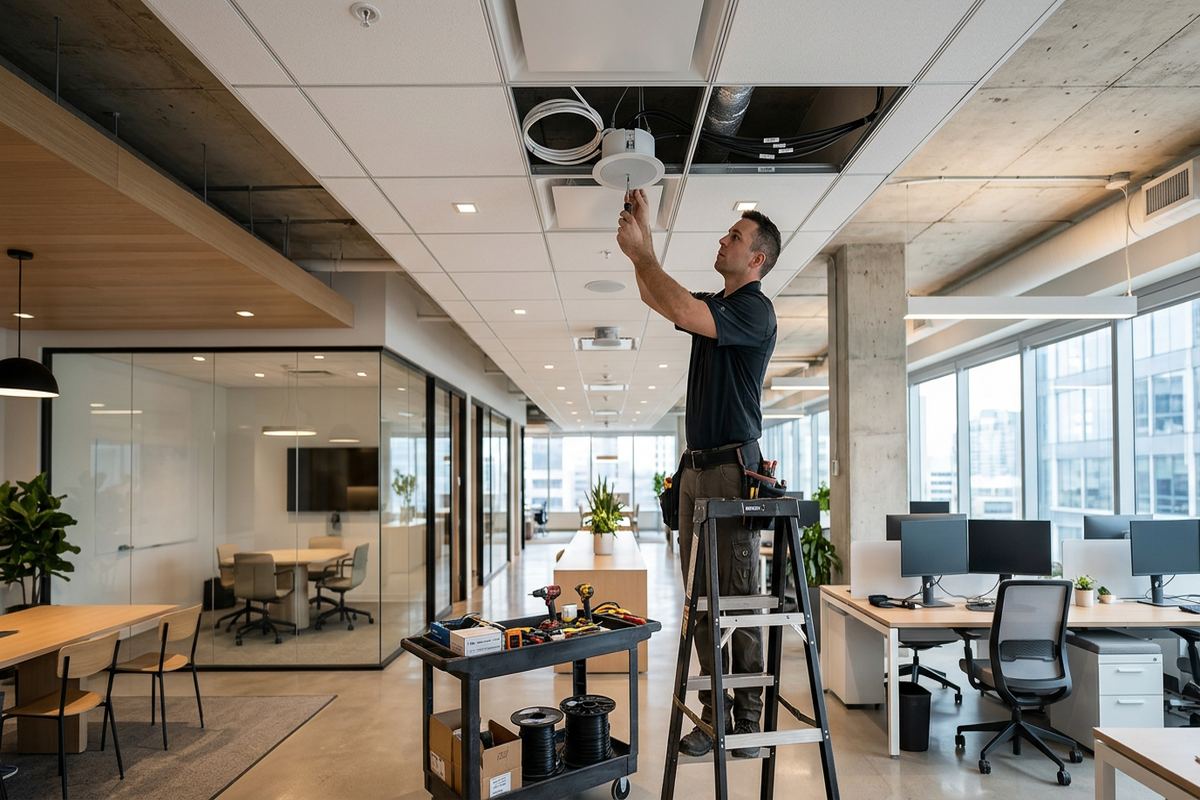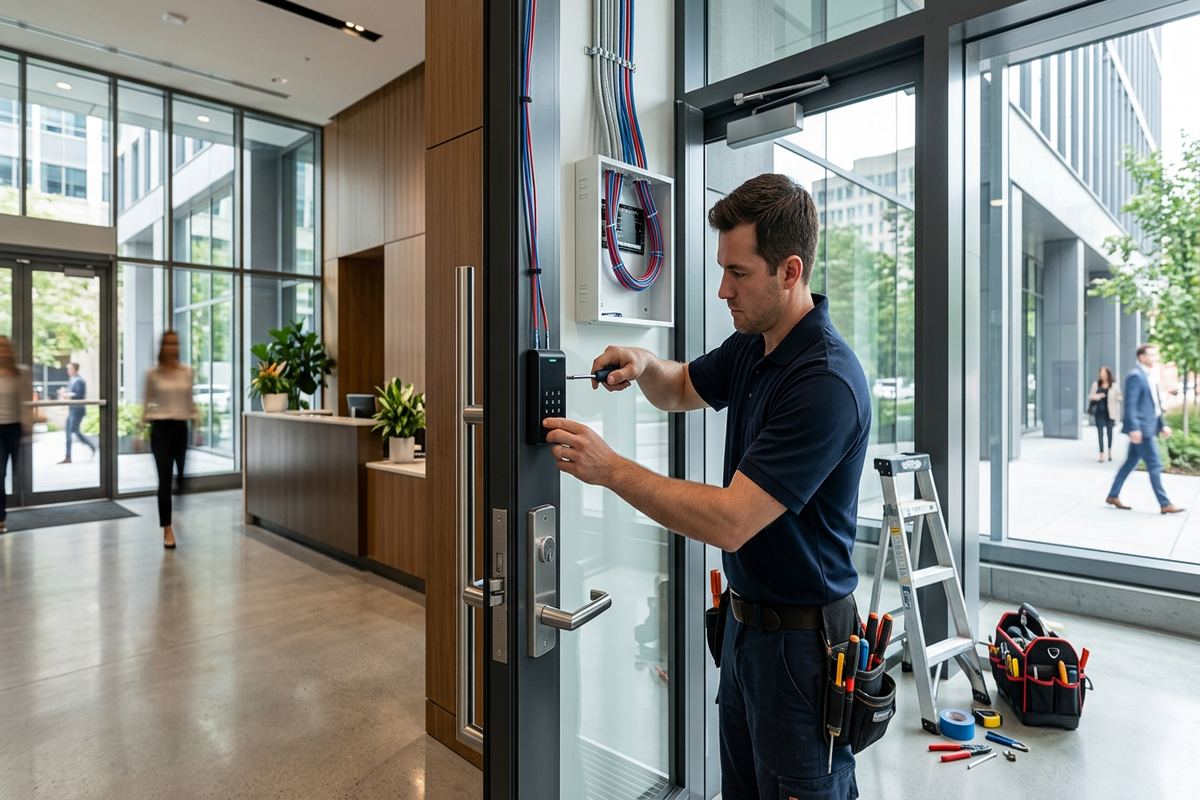
UnifiedLink installs wireless alarm systems for homes, shops, offices and light commercial properties in Cobourg. We assess the site, select practical sensor locations, configure the system on-site and explain how it works. Installations account for older construction, exterior exposure, occupancy needs and approval requirements, with a written scope provided before work begins.
Wireless Alarm Planning for Cobourg Properties
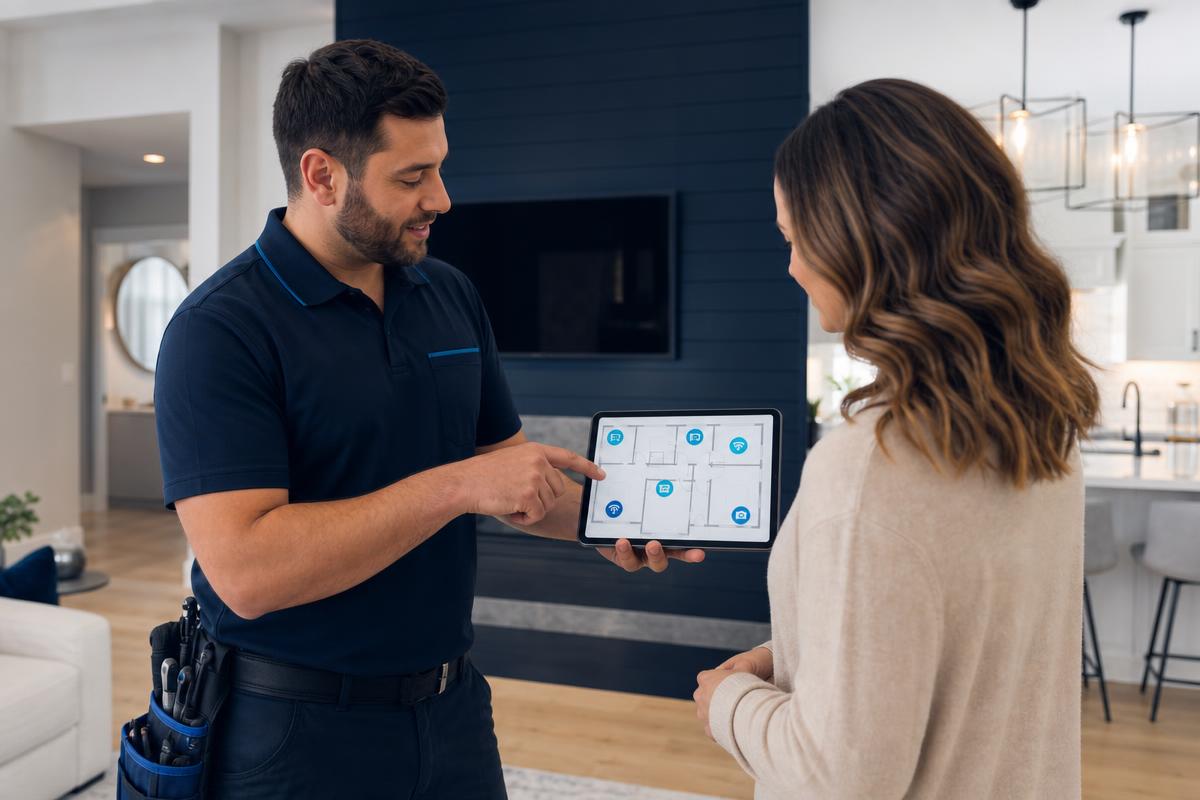
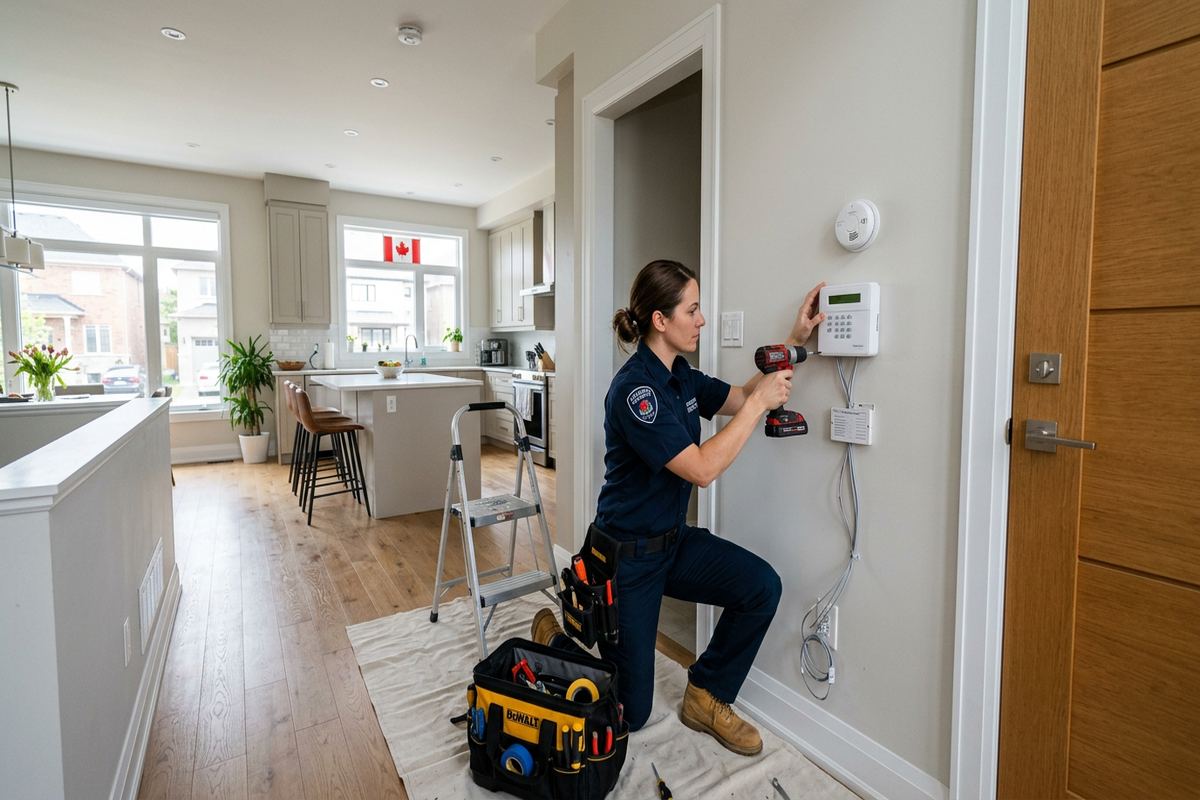
A wireless alarm system still requires careful planning, even when most sensors communicate by radio. During a site assessment, we review entrances, accessible windows, interior movement paths, sleeping areas and spaces containing important equipment. Cobourg properties range from older houses near the waterfront to newer construction in New Amherst, so one standard layout does not fit every building. The assessment also considers occupants, pets, daily routines, internet availability and cellular coverage. These details determine which devices are appropriate, where they should be installed and how users will arm or disarm the system.
Older homes around Downtown Cobourg and Cobourg Beach may contain thick masonry, multiple renovations, decorative trim or plaster finishes that affect wireless signals and mounting options. A sensor that works well on a modern frame wall may require another location in a masonry building. We identify practical positions without assuming that every door frame can be drilled or every surface can accept adhesive. Where preservation matters, the proposed installation can use reversible methods, provided those methods support reliable operation. Any visible equipment, required holes and finish limitations are identified in the written scope before installation begins.
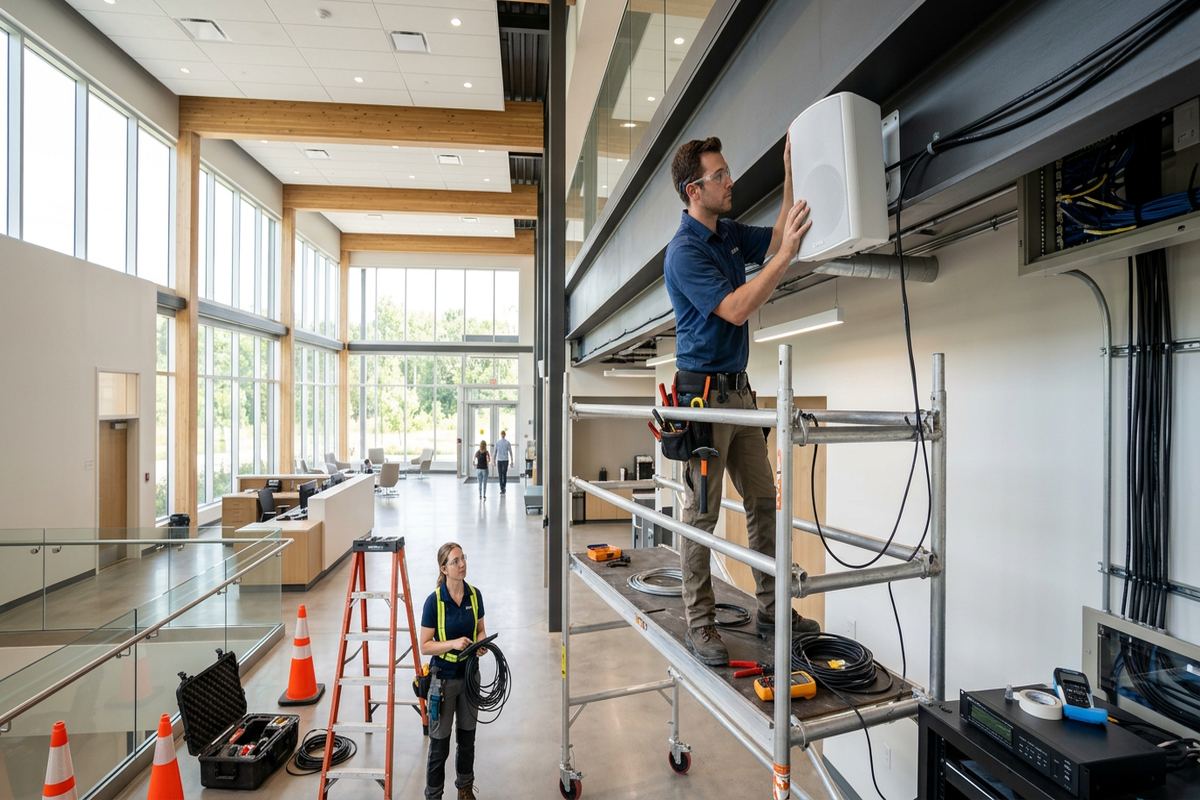
Small businesses need planning based on how the premises actually operate. A downtown storefront may have a public entrance, rear delivery door, shared basement, staff-only room and glazing facing the street. An office or industrial unit may include overhead doors, warehouse aisles or separate tenant areas. We map these openings and movement routes, then discuss who needs access and when. The resulting scope covers equipment, device placement, exclusions, equipment ownership, cable routes where any wired connections are needed, and warranty details. This creates a clear installation plan rather than relying on assumptions made during the work.
- Entry, window and movement-path review
- Wireless signal and mounting assessment
- Pet and occupancy considerations
- Written scope before pricing
Choosing Wireless Alarm Equipment in Cobourg
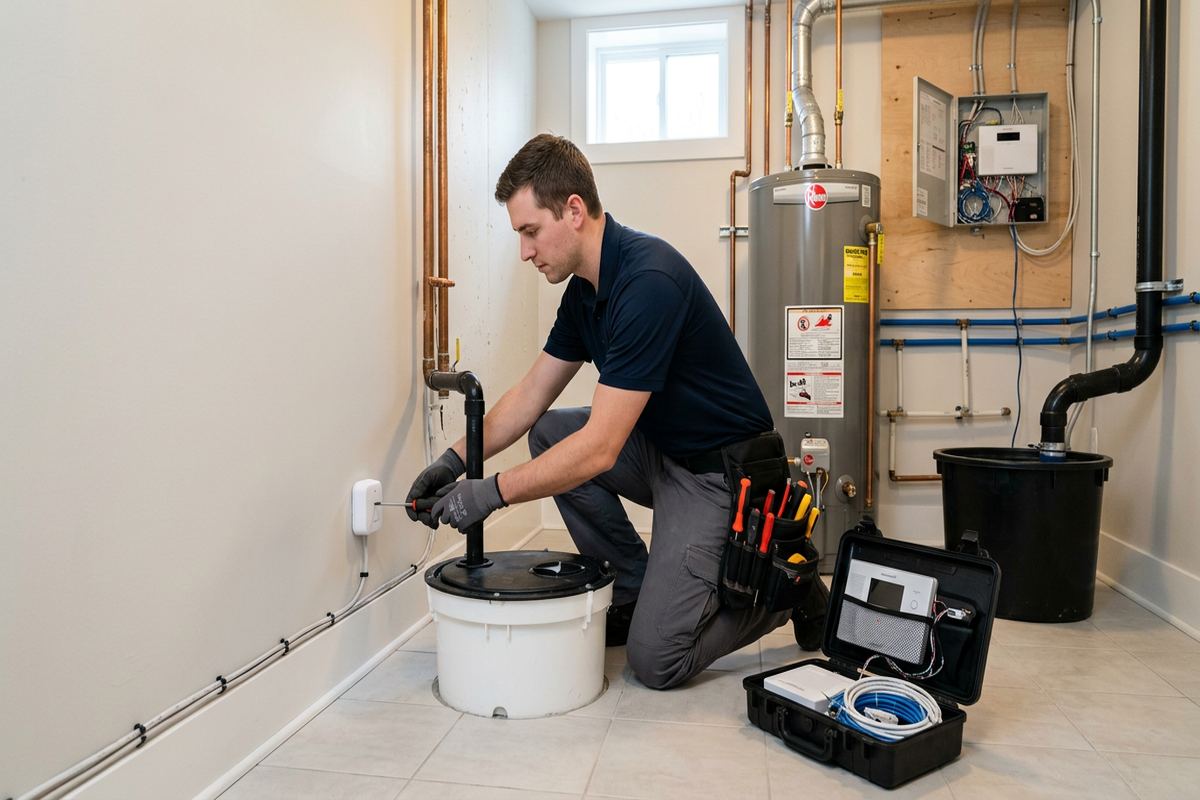
Equipment selection starts with the risks and layout identified during the assessment. Typical systems can include a control panel, keypad, door contacts, window contacts, motion detectors, glass-break detection, sirens and environmental sensors. Not every property needs every device. For example, a compact East Village home may benefit from perimeter contacts and carefully placed motion detection, while a business with stock rooms may need separate zones and user permissions. We explain the purpose of each proposed component, its expected mounting position and any dependence on internet, cellular service, batteries or a monitoring arrangement selected by the customer.
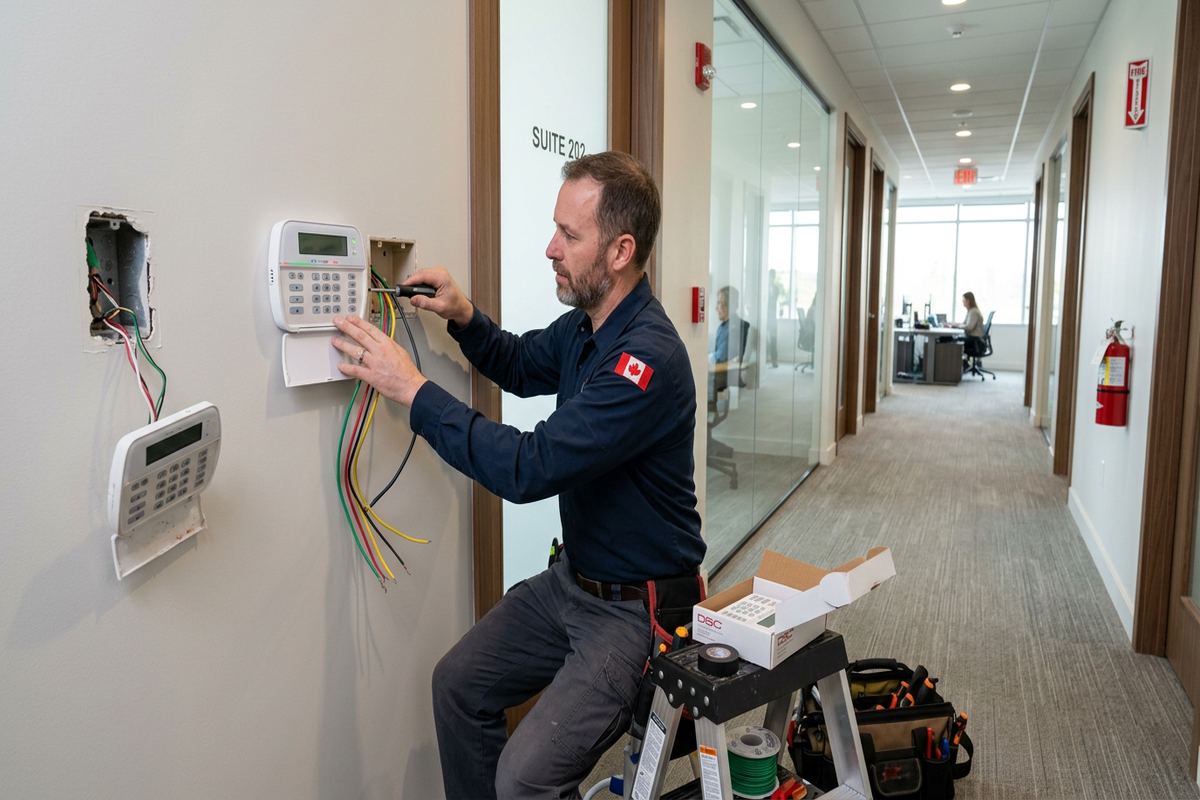
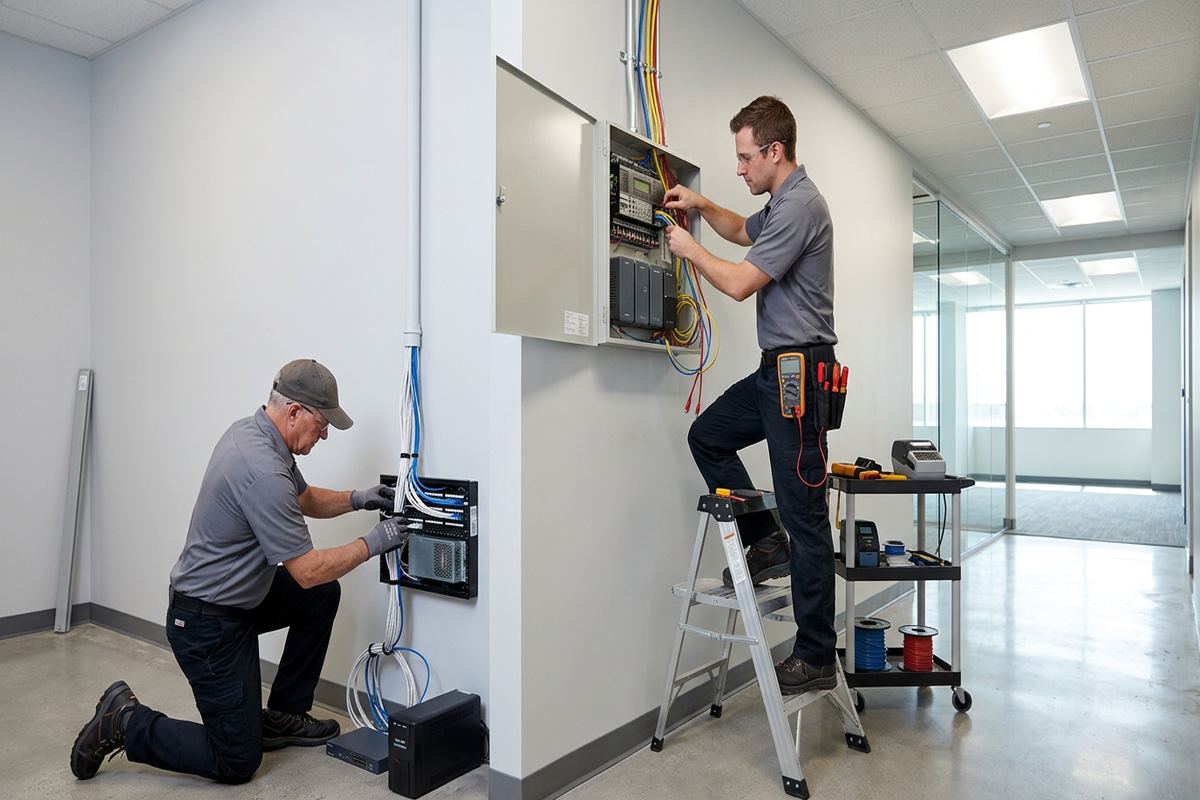
Wireless does not mean completely cable-free. Panels, communicators, keypads or powered accessories may require an electrical connection, network link or low-voltage cable, depending on the chosen equipment. Where cabling is included, UnifiedLink installs continuous labelled cable runs rather than undocumented joins hidden inside walls. Cable routes are planned around finished surfaces, masonry, framing and accessible service areas. This is especially relevant in renovated Cobourg buildings where wall cavities may be blocked or uncertain. The written scope distinguishes wireless devices from powered or cabled components, helping owners understand what will be visible and what building access is required.
Battery-powered devices must be selected and positioned with future service in mind. Sensors should be reachable for battery replacement without creating an obvious tampering risk. Unheated vestibules, detached structures and exposed entrances also require attention because low temperatures can affect equipment and battery performance. Cobourg winters, moisture and repeated freeze-thaw conditions make indoor-rated devices unsuitable for some exterior or semi-exterior locations. We verify device ratings before proposing installation near porches, loading areas or garages. The system design should reflect the actual environment rather than treating all doors, windows and outbuildings as identical operating conditions.
- Control panels and user keypads
- Door, window and motion sensors
- Sirens and compatible environmental devices
- Battery and connectivity planning
Careful Installation in Older Cobourg Buildings
Heritage character often calls for a restrained installation approach. Homes near the beach and buildings in Downtown Cobourg may have original woodwork, uneven frames, decorative mouldings or masonry walls that should not be altered casually. Before mounting devices, we check clearances, alignment and the surface condition. A door contact must remain aligned through normal seasonal movement, while a motion detector needs an unobstructed field of view. We discuss reversible mounting where practical and identify situations where screws or another secure method are necessary. The goal is reliable detection without unnecessary changes to visible or historically sensitive finishes.
Frame and masonry construction behave differently during installation. In a wood-frame building, wireless signals may pass through interior partitions easily, although metal ductwork, foil-backed materials and appliances can still interfere. Solid brick, concrete, stone and some plaster assemblies may reduce range or create inconsistent communication. We test wireless performance from proposed device locations rather than judging distance alone. If a signal is weak, options can include relocating the panel, adjusting sensor placement or using compatible range equipment. Any change should preserve the intended detection coverage and remain understandable for future maintenance by the property owner.
Rental, condominium and shared commercial properties can require written approval before equipment is attached to doors, common walls, exterior surfaces or shared entrances. Tenants should confirm what their lease permits, while condominium owners should review corporation rules and obtain authorization where required. UnifiedLink can describe the proposed devices and mounting locations for an approval request, but the owner or tenant remains responsible for securing permission. This step is particularly important where a system may affect a common vestibule, fire-rated assembly or managed network. Installation proceeds according to the approved scope and accessible areas.
- Reversible methods where technically suitable
- Signal testing through existing construction
- Protection of trim and finished surfaces
- Approval details documented before work
Cobourg, Ontario
Wireless alarm installation in Cobourg, scoped in writing first
Book a site assessment and get equipment, routes, exclusions, and warranty on paper before anything is installed.
Cobourg Exterior Devices and Seasonal Conditions
Exterior alarm equipment needs more than a convenient mounting position. Devices near gates, detached garages, service doors or loading areas must be rated for the expected temperature and moisture exposure. Direct rain, drifting snow, salt-laden air near the waterfront and condensation can shorten the life of unsuitable products. We review the manufacturer’s environmental limits and locate equipment beneath appropriate protection where possible. A device designed for a conditioned interior is not moved outside simply because it communicates wirelessly. Exterior coverage is proposed only when suitable equipment, dependable communication and a serviceable mounting location are available.
Mounting penetrations must be sealed correctly to reduce water entry and damage during Cobourg’s freeze-thaw cycles. The method varies between brick, concrete, siding, wood and metal cladding. Fasteners should suit the substrate, and holes should not direct moisture behind the building finish. We also avoid placing equipment where snow clearing, roof runoff or ice accumulation can strike it. On masonry, joints and brick faces require different handling; on frame construction, cladding and drainage layers must be respected. The scope identifies exterior mounting and sealing work so it is not treated as an incidental detail.
Detached structures add communication and power considerations. A garage behind a West Park home may be within visual range of the house but still have foil insulation, metal doors or masonry that weakens radio communication. Commercial units can present similar issues across warehouse partitions or outdoor service yards. We test from the intended location with doors in normal positions and account for how the structure is used. If reliable wireless operation cannot be established, we explain alternatives or exclude that location from the scope. A marginal connection should not be represented as dependable alarm coverage.
- Weather-rated devices where required
- Substrate-specific exterior fasteners
- Sealed mounting penetrations
- Signal testing at detached structures
Alarm Zones, Users and Notifications
Configuration turns installed devices into a usable alarm system. We assign sensors to clear zones, name important openings and set appropriate entry or exit delays. A homeowner may want separate night and away modes, while a business may need stock rooms armed when a front office remains occupied. These choices are reviewed with the customer instead of left at factory defaults. Clear zone names help users identify an open door, low battery or alarm event without guessing. Device behaviour, audible alerts and available notification features are tested on-site before the system is handed over.
User access should match real responsibilities. Household members may use individual codes, and a Cobourg business can separate owner, manager and staff permissions where supported by the selected platform. Temporary access may also be useful for contractors or cleaners, provided the system supports suitable scheduling or code management. We avoid using shared installer credentials as the customer’s permanent account. At handover, the customer receives control through their own credentials and is shown how to add, remove or change users. This reduces dependence on undocumented accounts and supports orderly access management after staffing or occupancy changes.
Notifications depend on the system design and services chosen by the customer. Some equipment can send app alerts through an internet connection, while other configurations may use cellular communication or professional monitoring. We explain which connections are required, which functions may stop during an outage and what backup capabilities are included in the proposed equipment. No notification path should be assumed without verification. For businesses, the review can also cover opening and closing notices, user activity and escalation preferences where supported. Final settings are documented so the customer understands the configured behaviour and remaining responsibilities.
- Named zones for clear event identification
- Separate household or staff users
- Night, away and business operating modes
- Documented notification dependencies
Wireless Alarm Installation for Cobourg Businesses
Downtown Cobourg businesses often occupy narrow or renovated premises with public areas at the front and service spaces behind. Alarm design should account for customer doors, rear exits, internal stairs, storage rooms and any shared access with neighbouring occupants. Glass frontage may influence detector selection, but street vibration and normal activity must also be considered to avoid unsuitable placement. We coordinate device positions with displays, shelving and daily opening procedures. Careful planning keeps sensors effective without obstructing signage, merchandise handling or the architectural details common in smaller downtown commercial buildings.
Commercial strips and industrial units have different challenges. Wide storefronts, overhead doors, steel partitions, high ceilings and changing inventory layouts can affect both detection coverage and wireless communication. A motion detector should not be aimed at an active loading area without considering operating hours, heaters or moving equipment. Metal racking can also change signal conditions after stock is added. During assessment, we review likely layout changes and identify areas that may need retesting. The scope distinguishes included doors and rooms from areas left unprotected, giving the business a practical record of the installed coverage.
Business handover includes more than demonstrating an arm button. We review user roles, entry routes, opening and closing steps, alert handling and basic device status checks. Where the system supports reports or app management, the authorized customer is shown how to access those functions through their own account. Equipment locations and zone names are recorded in an as-built document for future reference. If another contractor supplies monitoring, internet service or electrical work, those responsibilities are identified. UnifiedLink remains the accountable contractor for the alarm installation work described in its written scope.
- Storefront and rear-entry protection
- Warehouse and overhead-door assessment
- Role-based staff access where supported
- As-built zone and device record
Testing and Handover in Cobourg
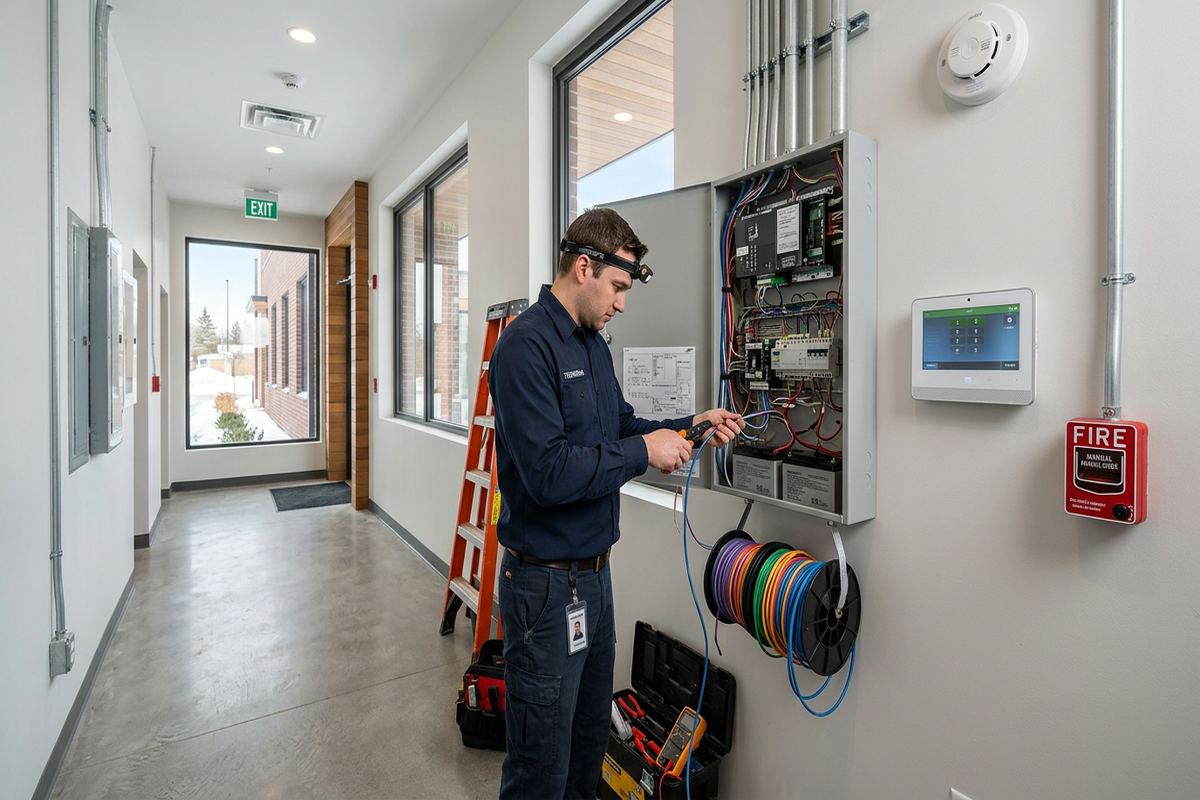
Every included device is tested from its installed position. Door and window contacts are opened and closed, motion coverage is checked, audible devices are activated appropriately, and communication with the control equipment is confirmed. We also check tamper indications and available battery or connectivity status information. Testing is completed under normal building conditions as far as practical, including typical door positions and occupied layouts. If furnishings, renovations or stock placement prevent a meaningful test, that limitation is documented. A sensor is not considered complete merely because it appears in an application or control-panel device list.
Handover gives the Cobourg customer the information needed to operate and maintain the system. We demonstrate arming, disarming, bypassing a zone where supported, reviewing alerts and responding to common trouble messages. The customer receives their own credentials rather than relying on an installer-controlled login. We also provide an as-built record identifying installed devices and relevant zone names. Battery maintenance, connectivity dependencies and manufacturer instructions are reviewed at a practical level. Any monitoring activation, permit question or third-party service outside our scope is identified so responsibility remains clear after installation.
Changes made during installation are recorded rather than left as verbal decisions. If a device must move because of hidden masonry, weak wireless communication or an unsuitable mounting surface, the revised position is discussed and reflected in the final record. Exclusions are also preserved, including inaccessible windows, detached areas or customer-deferred devices. This documentation is useful when a Cobourg property changes occupants, undergoes renovations or requires later service. It provides a baseline for troubleshooting and helps prevent future contractors or owners from assuming that unlisted areas were included in the original alarm coverage.
- Operational testing of every included sensor
- Customer-controlled account credentials
- Basic operation and maintenance review
- Final as-built installation record
Arranging a Cobourg Alarm Assessment
The process begins with a request describing the Cobourg property and the intended use of the alarm system. Helpful details include whether the site is a house, condominium, storefront, office or industrial unit; the approximate number of entrances; and whether exterior or detached areas are involved. Photos can clarify unusual doors or finished surfaces, but they do not replace an on-site review when mounting, coverage and wireless conditions must be verified. Requests sent during business hours are answered the same day, while after-hours requests are answered the next business day.
Site assessment timing depends on the service and travel distance. At the property, we review access points, construction materials, possible control locations, power and connectivity, user needs and approval requirements. For a heritage home near Cobourg Beach, the discussion may focus on reversible mounting and finish protection. In New Amherst, it may involve newer frame construction, attached garages and household routines. A commercial assessment may require a manager or landlord representative who can confirm restricted areas and mounting permissions. Accurate access during the visit helps avoid assumptions in the proposed scope.
Pricing follows the assessment rather than preceding it. UnifiedLink provides a written scope covering equipment, cable routes, device placement, exclusions, equipment ownership and warranty. The customer can review what is included and raise questions before scheduling installation. Where another party must approve drilling, exterior devices, network access or work in a shared area, that approval should be obtained before the installation date. One accountable contractor manages the included installation, configuration, testing and handover. This approach keeps the proposed Cobourg alarm system tied to documented site conditions and agreed responsibilities.
- Same-day reply during business hours
- On-site assessment before pricing
- Written equipment and placement scope
- Installation, configuration and handover coordination
Cobourg neighbourhoods we cover
- Downtown Cobourg
- Cobourg Beach
- New Amherst
- West Park
- East Village
Wireless alarm installation in Cobourg — common questions
Will wireless sensors work in an older Cobourg home?
They can, but older masonry, plaster, metal ductwork and previous renovations may reduce or redirect wireless signals. UnifiedLink tests communication from proposed sensor locations during the installation process and adjusts placement where necessary. Heritage finishes near Downtown Cobourg or Cobourg Beach also require careful mounting choices. Reliable operation and surface protection are considered together rather than assuming that a wireless device can be placed anywhere.
Can you install an alarm without damaging heritage trim?
Reversible mounting may be possible on some Cobourg heritage properties, depending on the sensor, surface and required alignment. Adhesive methods are not suitable for every finish or device, and unreliable mounting is not recommended. We inspect the trim, door movement and construction, then document proposed mounting methods. Any necessary holes, visible equipment or limitations are identified in the written scope before installation proceeds.
Do I need permission in a condo or rental?
Possibly. Cobourg condominium corporations, landlords and commercial property managers may restrict drilling, attachments to exterior doors, common-area devices or changes to managed networks. The owner or tenant is responsible for obtaining required approval. UnifiedLink can provide device and mounting details for the request. Work is then completed within the approved scope, without assuming that shared walls, entrances or building services are available.
Can wireless alarm devices be installed outside?
Only equipment rated for the expected environment should be used outside. Cobourg winters, moisture, waterfront exposure and freeze-thaw cycles can affect batteries, housings and mounting points. We review temperature ratings, precipitation exposure, sealing and wireless communication before proposing an exterior sensor. Indoor-rated equipment is not treated as suitable merely because it is sheltered by a small overhang or connected wirelessly.
Will I control the alarm with my own account?
Yes. At handover, the Cobourg customer receives access using their own credentials for the supported control platform. We demonstrate normal operation, user management and available alert functions. Connectivity, subscriptions or third-party monitoring requirements are explained according to the selected system and written scope. UnifiedLink does not leave the customer dependent on an undocumented shared installer login for routine operation.
How soon can an assessment be arranged?
Requests sent during business hours are answered the same day, and after-hours requests are answered the next business day. The timing of a Cobourg site assessment depends on the requested service and travel distance. When contacting UnifiedLink, describe the property type, entrances, exterior areas and any heritage, condominium or landlord restrictions. Those details help determine what should be reviewed during the visit.
Coverage in Cobourg is confirmed against the address before we quote. See everything we install in Cobourg or the province-wide wireless alarm installation page.