UnifiedLink installs wired and wireless home alarm systems in Cobourg, Ontario. We plan sensors, keypads, sirens and communications around the property’s construction, daily use and security concerns. Every project begins with a site assessment before pricing, followed by a written scope and careful installation suitable for modern homes, older buildings, rental properties and small businesses.
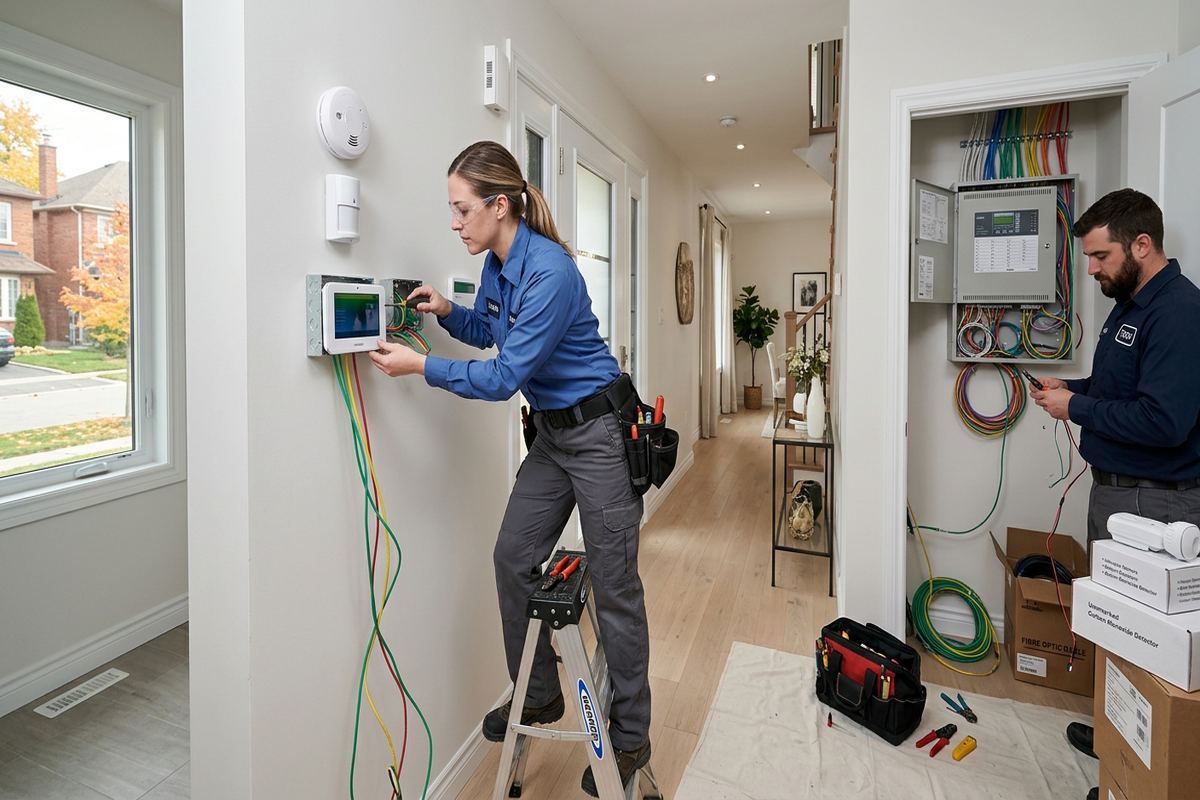
Home Alarm Installation for Cobourg Properties
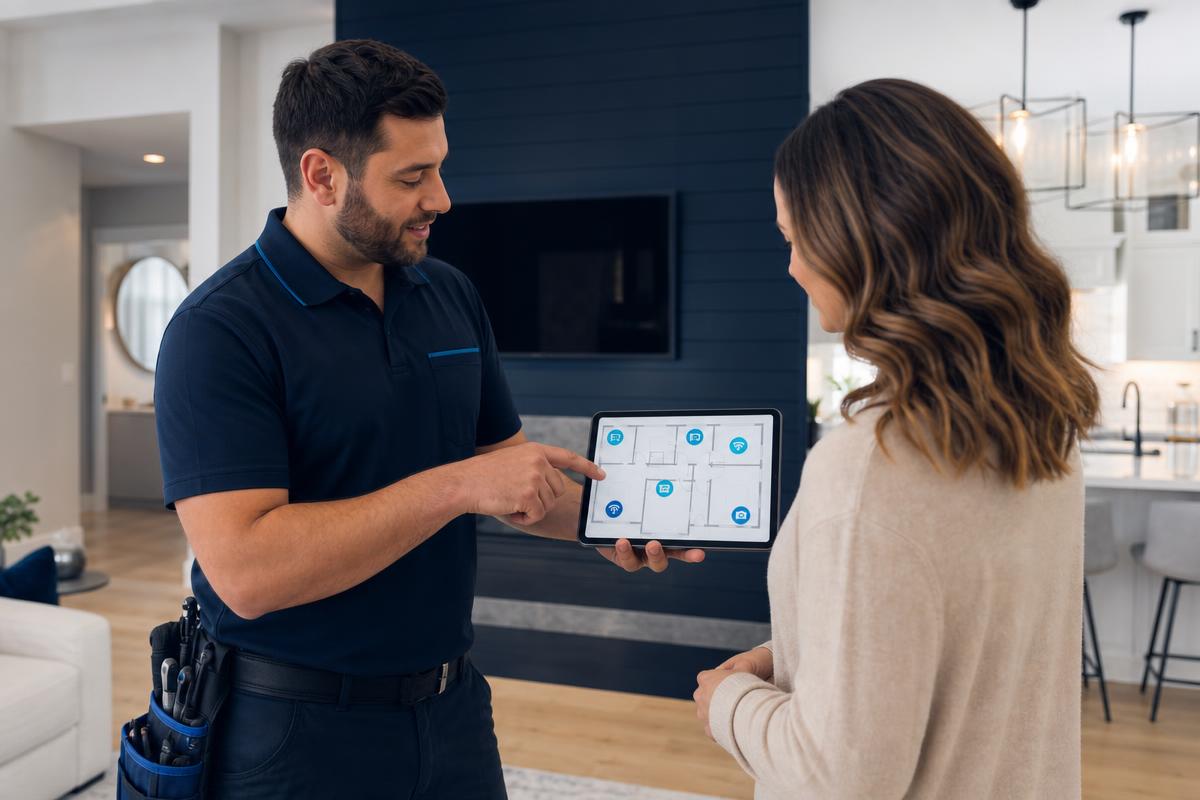
An alarm system should reflect how a property is built and how its occupants use it. In Cobourg, that can mean a newer frame home in New Amherst, an older house near Cobourg Beach or a mixed-use property downtown. UnifiedLink assesses entry points, accessible windows, attached garages, basements and common movement routes before recommending equipment. This process avoids generic packages that leave important areas uncovered or place devices where daily activity creates unnecessary alerts. Pricing follows the assessment, so the proposed work is based on visible conditions and agreed security priorities.
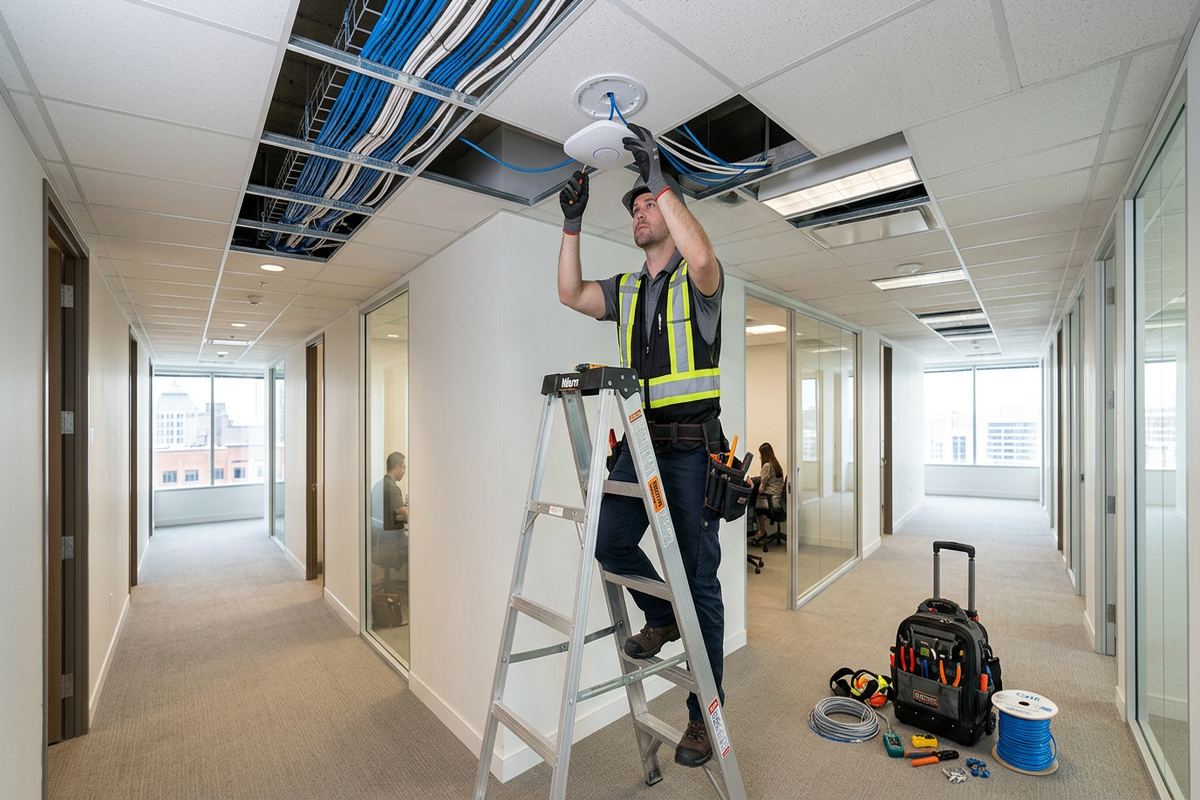
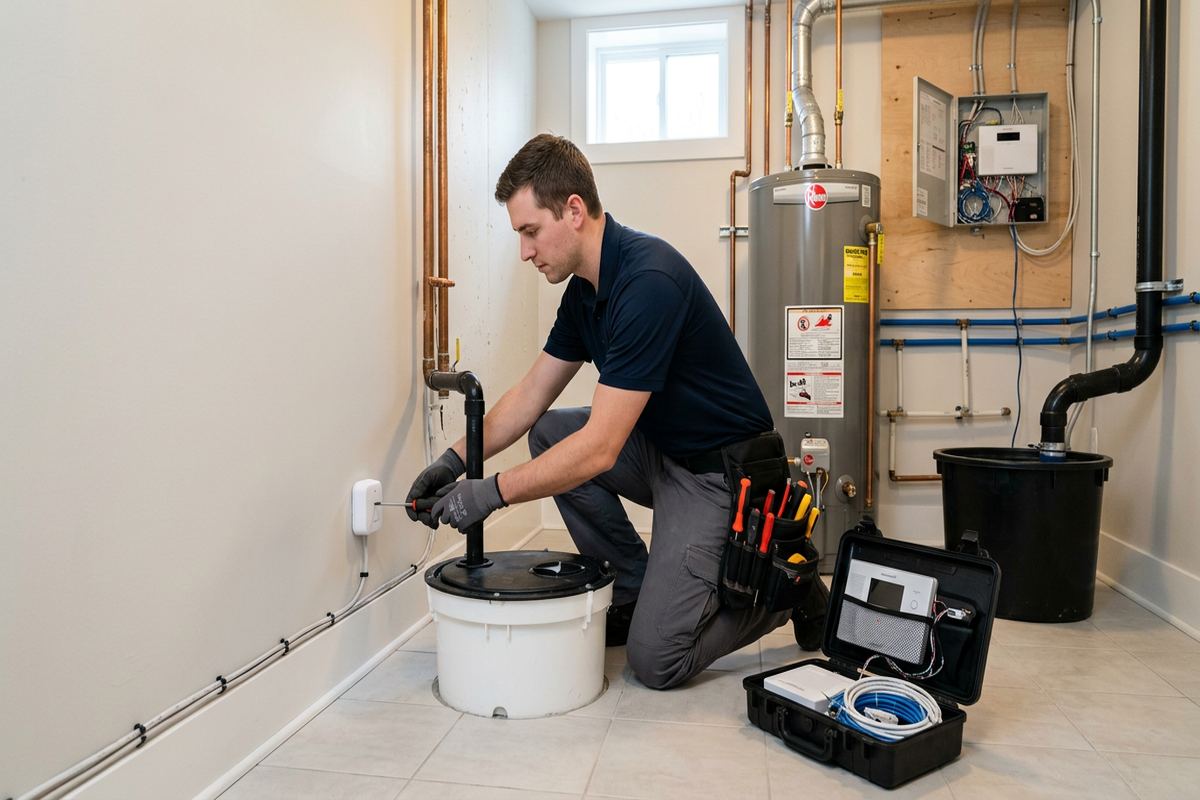
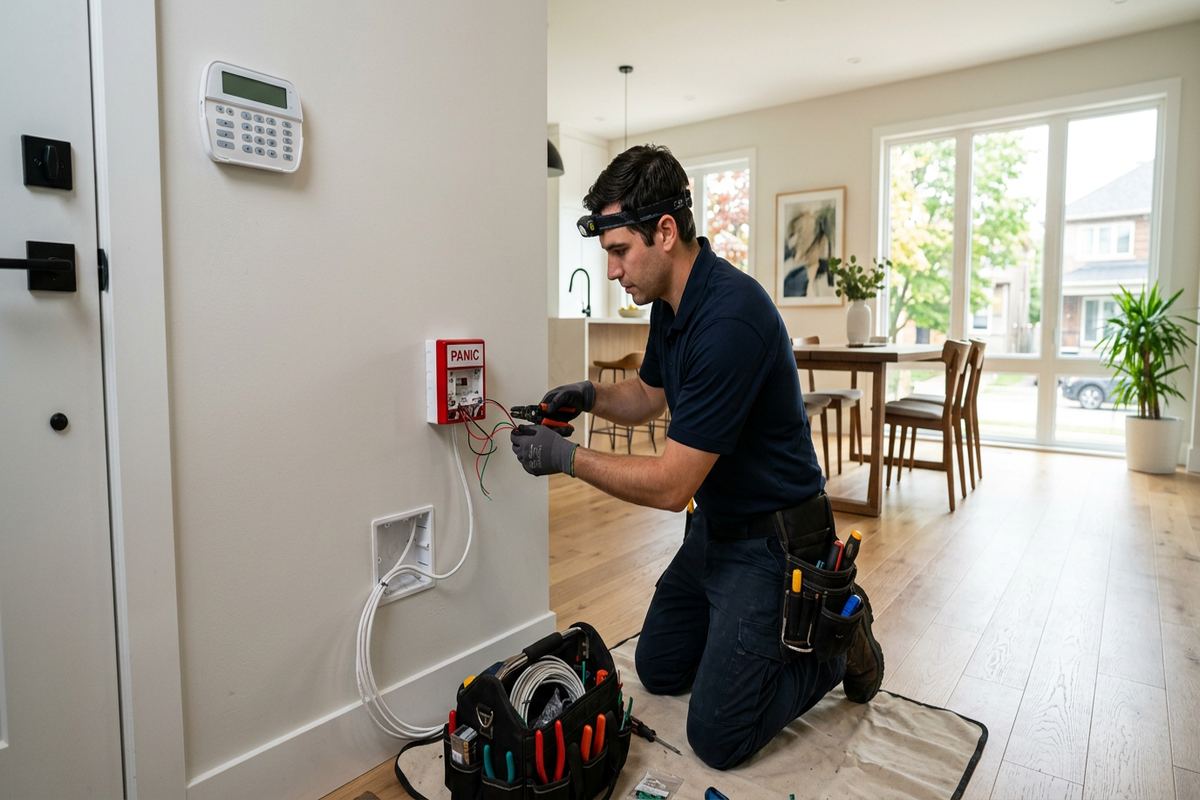
A typical installation may include door contacts, window contacts, motion detectors, glass-break detectors, keypads, sirens and a central control panel. Smoke, carbon monoxide, water or low-temperature devices can also be considered where they are compatible with the selected alarm platform and the intended response arrangement. Device selection depends on construction, room layout, pets, heating sources and environmental exposure. Each component is positioned for reliable operation rather than convenience alone. The system is then configured on site, tested by zone and reviewed with the customer before the installation is considered complete.
Cobourg properties often require different installation methods within the same building. A masonry foundation may limit concealed cable routes, while a frame addition can provide easier access through joist or wall cavities. Finished basements, plaster walls and decorative trim may require surface pathways or wireless devices to reduce disruption. UnifiedLink explains these trade-offs before work begins. The written scope identifies equipment, device placement, expected cable routes, exclusions, equipment ownership and warranty terms. This gives homeowners, landlords and business operators a clear basis for reviewing the proposed alarm installation before authorizing it.
- Door, window and overhead-door contacts
- Interior motion and glass-break detection
- Keypads, sirens and control panels
- Environmental alarm device options
- Zone-by-zone testing and verification
Planning Alarm Coverage in Cobourg
Good coverage starts with a practical review of likely entry routes rather than placing a sensor on every opening. The assessment considers front, side and rear doors, basement access, patio doors, low windows and doors connecting an attached garage. Interior detection can provide a second layer when perimeter protection is bypassed. In Cobourg homes with additions or converted spaces, the original exterior wall may now sit inside the building and affect wireless performance or cable routing. These conditions are documented so the final design remains understandable, serviceable and aligned with the owner’s priorities.
Household routines influence alarm design as much as floor plans do. A family may want perimeter zones active overnight while allowing movement between bedrooms, bathrooms and a main-floor kitchen. Pet owners may need suitable detector selection and placement, although no motion arrangement should be described as immune to every animal-related activation. Separate partitions can be planned for a detached workspace, basement suite or garage where equipment permits. Keypad locations should support normal arrival and departure without forcing occupants to cross protected rooms before disarming, particularly where side or garage entrances are used regularly.
Communication options also need to be considered during planning. Depending on the chosen equipment and service arrangement, an alarm may use internet, cellular or another supported path for notifications or monitoring. Internet-based features depend on the customer’s network, power and account configuration, while cellular functions depend on compatible hardware and available service. UnifiedLink identifies these dependencies in the scope rather than presenting remote access as automatic. Customers receive their own credentials at handover, helping them retain control of application access, user management and future account changes instead of relying on installer-held login details.
- Perimeter and interior protection planning
- Night, away and separate-area arming
- Practical keypad placement
- Garage and basement coverage
- Communication-path review
Careful Work in Heritage and Finished Homes
Heritage homes near the beach and properties around Downtown Cobourg call for careful, reversible installation choices. Original trim, plaster, masonry and finished woodwork should not be treated like modern drywall. Where concealed wiring would require disproportionate disturbance, a wireless device or neatly planned surface pathway may be more appropriate. The assessment identifies accessible cavities, basement routes, attic access and previous wiring that may be reusable after testing. Any visible device still needs secure mounting, but its position can often be selected to avoid character-defining details and make later removal or maintenance less disruptive.
Older construction can also affect detector performance. Thick masonry, metal lath, multiple renovations and foil-backed materials may weaken radio communication between wireless devices and the control panel. Rather than assuming coverage, UnifiedLink tests device communication and chooses panel or receiver locations with the building fabric in mind. Wired equipment may be preferable where practical, while wireless components can solve difficult routes. Hybrid designs can combine both approaches. The objective is not to force one technology throughout the property, but to establish dependable communication while keeping penetrations, exposed cable and alterations within the agreed scope.
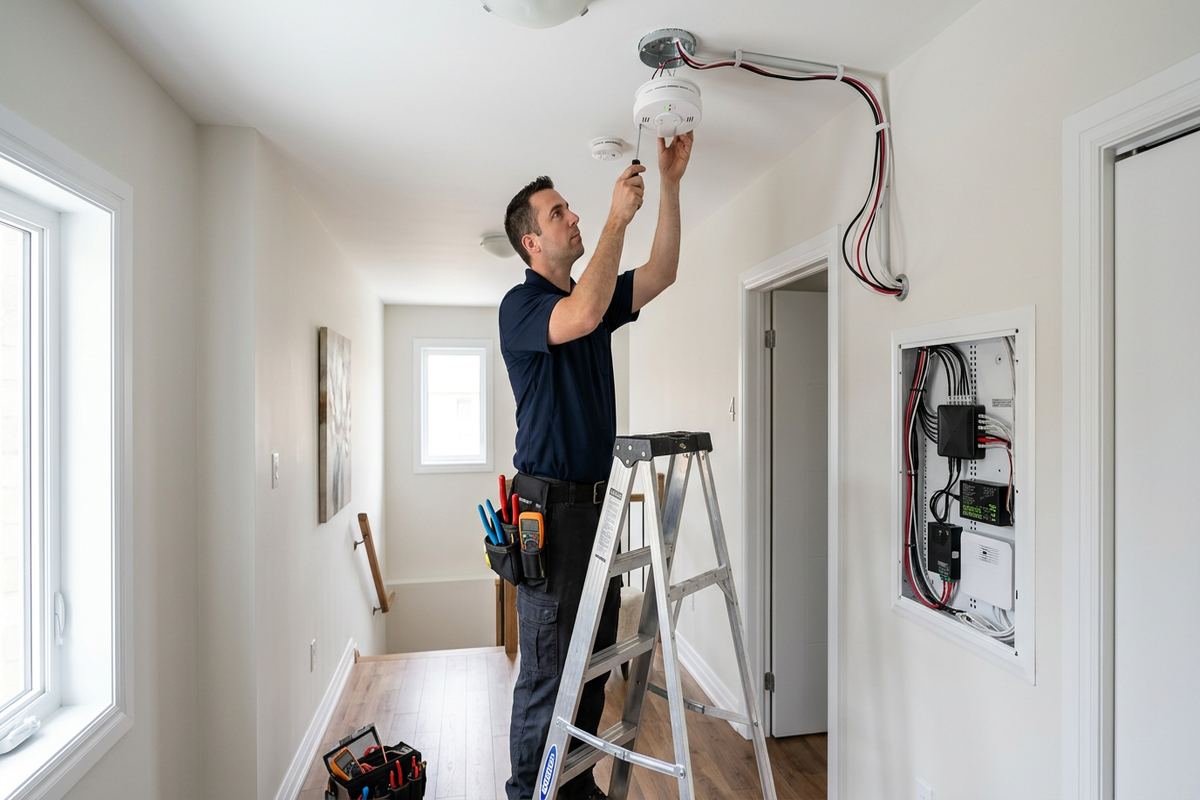
Finished modern homes require the same level of planning, even when their walls are easier to work with. Drilling without checking likely plumbing, electrical and structural conditions can create avoidable damage. Cable routes are discussed in advance, and continuous labelled runs are used for wired alarm devices rather than undocumented splices hidden behind finishes. Labels support testing and future service at the control panel. Where surface raceway is necessary, its route and appearance are agreed before installation. Exclusions such as painting, plaster repair or specialty restoration are stated in writing so responsibility for finishing work remains clear.
- Reversible options for sensitive finishes
- Wireless testing through older materials
- Hybrid wired and wireless designs
- Agreed surface cable pathways
- Clearly stated restoration exclusions
Cobourg, Ontario
Home alarm system installation in Cobourg, scoped in writing first
Book a site assessment and get equipment, routes, exclusions, and warranty on paper before anything is installed.
Exterior Devices and Cobourg Weather
Exterior alarm equipment must be selected and installed for exposure, not simply moved outdoors from an interior design. Cobourg winters bring freezing conditions and freeze-thaw cycles that can stress mounting points, seals and cable entries. Outdoor sirens, contacts or related devices must be suitable for their location and installed according to equipment requirements. The mounting surface also matters: brick, concrete, siding and wood trim need different anchors and penetration methods. UnifiedLink reviews exposure to precipitation, drifting snow, direct sun and physical impact before confirming an exterior device position.
Cable entry points require particular attention because water can follow poorly planned penetrations into wall assemblies. Exterior runs are routed to limit exposed loops and accidental damage, with suitable sealing at penetrations while respecting drainage paths in masonry and cladding. A sealant should not be used to block designed weep holes or trap moisture behind siding. On masonry walls, the location of drilling is considered carefully to avoid unnecessary damage to brick faces or fragile material. Frame construction may offer concealed access, but vapour barriers and finished interiors can still restrict the practical route.
Temperature changes can affect batteries and wireless communication, especially in unheated garages, sheds or vestibules. A device rated only for indoor conditioned space may not be appropriate in these locations. During the assessment, UnifiedLink distinguishes between protected interior areas and spaces exposed to seasonal temperature swings. Low-temperature detection may also be considered for vulnerable areas, subject to equipment compatibility and placement limitations. Customers are shown which devices depend on batteries and how battery conditions appear at the keypad or application, allowing maintenance to be planned rather than waiting for an avoidable fault.
- Weather-appropriate exterior equipment
- Sealed and planned cable penetrations
- Mounting for masonry or siding
- Freeze-thaw exposure considered
- Battery maintenance explained
Wired, Wireless and Hybrid Alarm Options
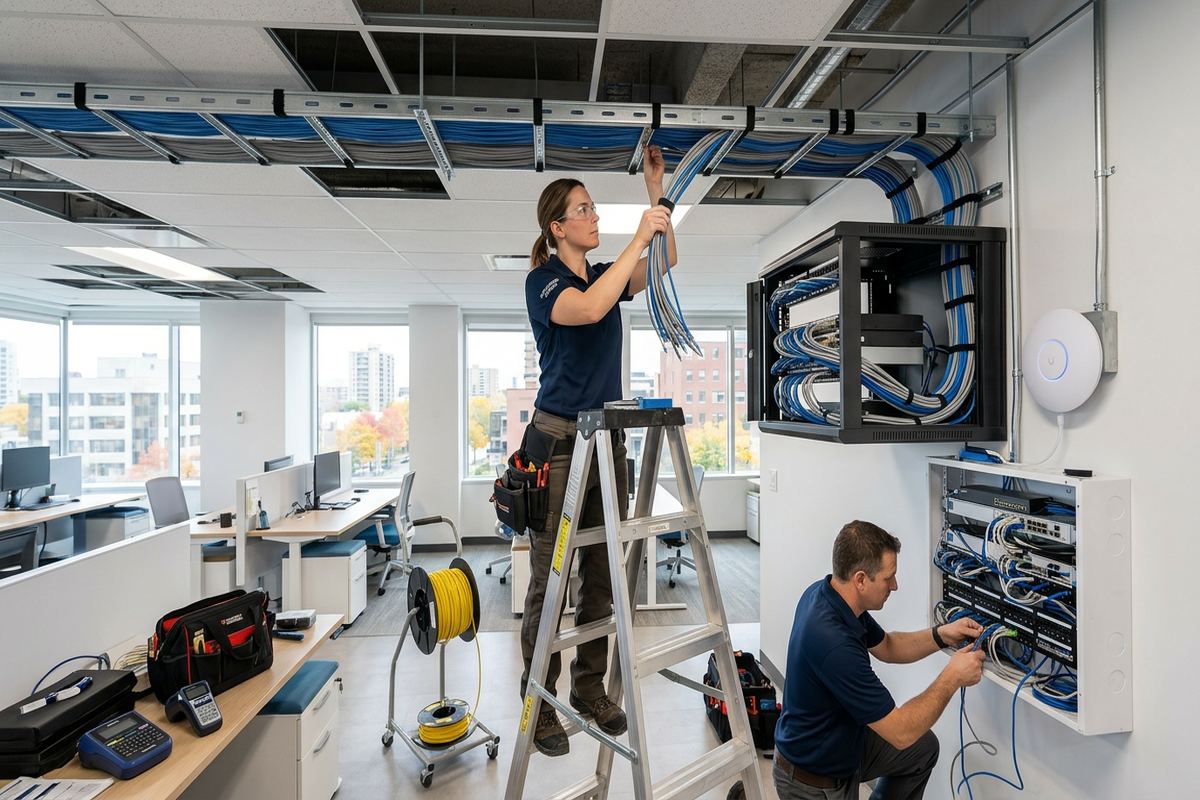
Wired alarm systems can provide stable device communication and straightforward zone identification, particularly when cable routes are accessible during renovation or through an unfinished basement. UnifiedLink installs continuous labelled cable runs between designated devices and termination points. This reduces uncertainty caused by hidden junctions and makes later testing easier. Wired installation is not automatically the right choice for every Cobourg property, however. Finished ceilings, stone foundations or preserved interiors may make new cable routes intrusive. The site assessment weighs installation impact against the desired coverage before a wired layout is included in the scope.
Wireless systems can reduce cabling through finished areas and support device placement where conventional routes are unavailable. They still require thoughtful planning. Device batteries need periodic replacement, radio paths must be tested and the control panel requires dependable power. Building materials, distance and interference can influence performance. Wireless equipment should therefore be chosen as part of a complete system rather than as isolated sensors added without verification. In rental or condominium settings, wireless installation may also reduce alterations, but it does not remove the need to obtain landlord, condominium corporation or property management approval where required.
A hybrid alarm combines wired and wireless components on a compatible platform. This approach can make use of serviceable existing cable while adding protection to renovated rooms, garages or additions that lack wiring. Existing conductors are inspected and tested before being accepted; their presence alone does not establish that they are suitable. Panel compatibility, resistor arrangements, cable condition and zone requirements all matter. The written scope identifies which devices will use existing infrastructure and which will be newly installed. Any abandoned, inaccessible or unverified wiring is treated as an exclusion unless further investigation is authorized.
- Continuous labelled wired runs
- Wireless signal testing
- Hybrid system design
- Existing cable evaluation
- Battery and power requirements reviewed
Alarm Installation for Mixed-Use Cobourg Buildings
Some Cobourg properties combine residential and commercial uses, particularly around Downtown Cobourg and nearby commercial strips. A ground-floor shop with rooms or an apartment above may need separate arming areas, user permissions and entry procedures. The design should account for staff access, deliveries, public-facing doors and private residential routes without creating confusing daily operation. UnifiedLink can plan partitions where supported by the selected system and document who needs access to each area. Fire-code, monitoring or insurance requirements remain subject to the appropriate authority, provider and policy rather than assumptions made during installation.
Small downtown businesses and professional offices often need opening contacts, interior detection, panic functions or notification features, but each use has different risks. A storefront may prioritize rear delivery access and display windows, while an office may need controlled access to records or equipment rooms. Industrial units can introduce overhead doors, loading areas, metal construction and greater distances between devices. Metal walls may affect wireless performance, making testing especially important. The alarm layout is coordinated with normal operations so staff can arm, disarm and move through authorized areas without routinely bypassing essential protection.
Tenants and condominium owners should confirm permission before installation where equipment will attach to common elements, exterior walls or landlord-owned finishes. This is relevant for units in East Village, West Park and elsewhere in Cobourg where ownership and maintenance responsibilities vary by property. UnifiedLink can describe proposed device positions and cable routes for an approval request, but cannot grant building permission on another party’s behalf. If an approved route differs from the initial concept, the scope can be revised before work proceeds. Clear authorization helps prevent relocation costs, disputed penetrations and avoidable delays.
- Separate areas where equipment supports them
- Storefront and office protection
- Industrial-unit coverage planning
- Tenant and condominium approval support
- Staff user-permission configuration
Configuration, Testing and Handover
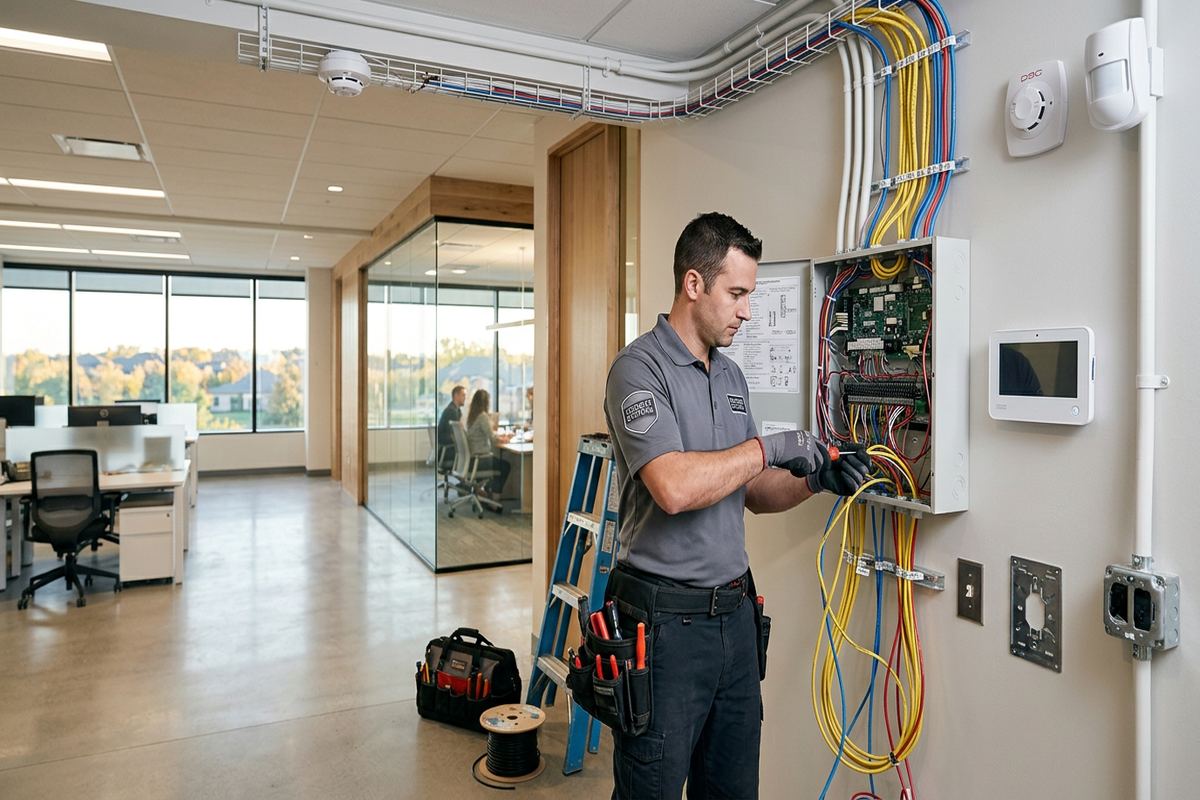
Physical installation is followed by on-site configuration of zones, device names, entry delays, user permissions and supported notification settings. Labels should describe recognizable locations such as “rear patio door” or “basement east window,” not vague numbers that occupants cannot interpret. UnifiedLink tests each device at its installed location and confirms that keypads, sirens and communication features respond as intended. Where monitoring is arranged separately, account activation and signal handling must be coordinated with the selected provider. Testing confirms installed operation but does not replace ongoing maintenance, account management or periodic user checks.
Handover focuses on practical operation. The customer is shown how to arm and disarm the system, review faults, acknowledge alerts and manage ordinary users within the platform’s capabilities. Temporary installer access is removed or changed as appropriate, and the customer receives the system using their own credentials. An as-built record identifies installed equipment, device locations and relevant cable or zone information. Equipment ownership and warranty terms are also documented in the written scope. These records help a future technician understand the installation without relying on memory or undocumented installer accounts.
False alarms are often linked to operation, changing site conditions or devices that need attention. Users should understand entry and exit timing, bypass functions, battery warnings and the effect of leaving doors open while arming. Renovations, moved furniture, new pets or changes to heating equipment can alter how detectors behave. UnifiedLink reviews basic use during handover and identifies conditions that require reassessment. If a monitored system is involved, the customer should also understand the monitoring provider’s contact procedures, call list and any local requirements applicable to alarm response in Cobourg.
- Named zones and clear keypad text
- Device-by-device operational testing
- Customer-controlled system credentials
- As-built installation record
- User and fault-management guidance
Arranging a Cobourg Alarm Site Assessment
The first step is a site assessment before pricing. UnifiedLink reviews the Cobourg property, discusses security concerns and examines likely device locations, power availability, internet or cellular dependencies and cable access. Relevant information includes planned renovations, pets, detached structures, rental conditions and any monitoring preferences. For older homes, access to basements and attics can significantly affect routing options. For businesses, the assessment should involve someone familiar with opening, closing, deliveries and staff access. Site assessment timing depends on the requested service and travel distance, so scheduling is confirmed after the initial enquiry.
After assessment, UnifiedLink provides a written scope covering equipment, cable routes, device placement, exclusions, equipment ownership and warranty. The document should be reviewed before work begins because it establishes what will be installed and what remains outside the project. Changes such as adding a garage contact, altering a keypad location or using a different communication method should be recorded rather than handled through assumptions on installation day. This process is particularly useful where Cobourg heritage finishes, masonry walls, condominium rules or landlord approvals may affect the route and installation method.
One accountable contractor coordinates the alarm installation, on-site configuration, testing and handover described in the agreed scope. If related low-voltage work is required, its boundaries can be identified rather than leaving overlapping responsibilities unclear. Requests sent during business hours are answered the same day, while after-hours requests are answered the next business day. This response wording applies to enquiries, not guaranteed attendance or emergency dispatch. Alarm faults involving immediate danger should be directed to the appropriate emergency service or monitoring provider. Planned installation and service visits are scheduled according to scope, access and travel requirements.
- Assessment completed before pricing
- Written equipment and routing scope
- Documented exclusions and ownership
- One accountable installation contractor
- Clear enquiry response expectations
Cobourg neighbourhoods we cover
- Downtown Cobourg
- Cobourg Beach
- New Amherst
- West Park
- East Village
Home alarm system installation in Cobourg — common questions
Can you install an alarm in an older Cobourg home?
Yes. Older Cobourg homes may have plaster, masonry, original trim, metal lath or limited cable access. The site assessment determines whether wired, wireless or hybrid equipment will provide suitable coverage with acceptable disruption. Reversible mounting or agreed surface pathways may be used where concealed cabling would damage sensitive finishes. Device communication and mounting conditions are tested rather than assumed.
Do I need approval in a condo or rental?
Possibly. Cobourg condominium owners and tenants should check their agreement and obtain approval where devices, cables or penetrations affect common elements, exterior walls or landlord-owned finishes. Wireless equipment can reduce alterations but does not automatically remove approval requirements. UnifiedLink can document proposed device locations and routes for review, while permission remains the responsibility of the owner, landlord, condominium corporation or property manager.
Should I choose a wired or wireless alarm?
The choice depends on construction, accessible cable routes, finish sensitivity and maintenance preferences. Wired devices suit accessible basements and renovation projects, while wireless devices can reduce disturbance in finished or heritage Cobourg properties. Hybrid systems can use both. UnifiedLink assesses radio conditions, existing cable, device locations and installation impact before setting out the recommended approach in a written scope.
Can the alarm protect an unheated garage?
An unheated Cobourg garage requires equipment suitable for its temperature and environmental conditions. Freeze-thaw cycles, battery performance, condensation and distance from the control panel can all affect device selection. During the assessment, UnifiedLink reviews door contacts, motion detection, low-temperature options and communication reliability. No indoor-only device is assumed to be appropriate outdoors or in an unconditioned space without checking its specified operating limits.
Will I receive control of the alarm account?
Yes. At handover, the system is provided using the customer’s own credentials, with temporary installer access removed or changed as appropriate. UnifiedLink also supplies an as-built record covering installed devices and relevant zone or cable information. If monitoring or cellular service is supplied by another provider, that provider’s account terms and transfer procedures must also be followed.
How quickly will you answer my request?
Requests sent during business hours are answered the same day, and after-hours requests are answered the next business day. This applies to enquiries and does not promise emergency attendance. Site assessment timing in Cobourg depends on the service and travel distance. If an active alarm indicates immediate danger, contact the appropriate emergency service or monitoring provider rather than relying on a routine installation enquiry.
Coverage in Cobourg is confirmed against the address before we quote. See everything we install in Cobourg or the province-wide home alarm system installation page.