UnifiedLink installs low-voltage cabling for homes, chalets, rentals, commercial spaces and industrial units in Collingwood. We plan and install structured network, security, access control, audio and display cabling, with attention to cable routes, exterior sealing and reliable coverage. Each project begins with a site assessment before pricing and ends with labelled runs and clear documentation.
Low-Voltage Cabling for Collingwood Properties
Low-voltage cabling provides the physical connections behind networks, Wi-Fi access points, security cameras, alarm devices, access control, speakers and displays. A properly planned installation keeps these systems separate from line-voltage wiring, protects signal quality and leaves practical paths for maintenance. In Collingwood, the required approach varies widely between older buildings near Downtown Collingwood, newer homes in Georgian Meadows and multi-unit properties around Lighthouse Point. We inspect the structure, identify suitable pathways and determine where equipment should terminate before proposing cable types, device locations or installation methods.
Chalets, short-term rentals and resort properties often depend on remote access, connected locks, cameras and reliable Wi-Fi coverage. These functions should not rely on loosely placed patch cables or wireless links where a permanent cable can provide a more stable connection. We plan home runs from each device to an appropriate central location, allowing network hardware and power supplies to remain organized and accessible. Cable routes can serve indoor and outdoor devices, provided the selected cable, support and transition methods match the environment and the manufacturer’s requirements for the connected equipment.
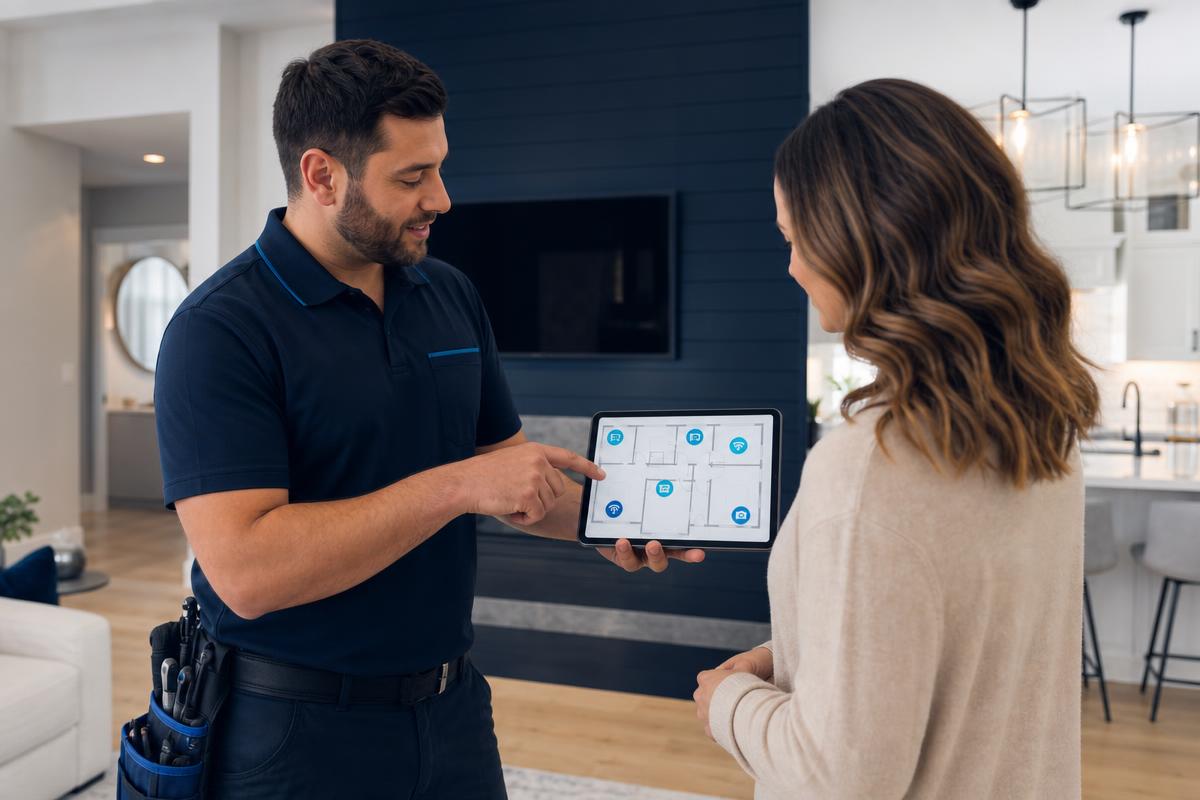
Every project starts with a site assessment before pricing. UnifiedLink then prepares a written scope covering equipment, proposed cable routes, device placement, exclusions, equipment ownership and warranty. This process is important when work crosses finished rooms, shared areas, utility spaces or exterior walls. It also helps owners compare the disruption and serviceability of different routing options. Once approved, we install continuous labelled cable runs, configure applicable devices on site and provide the customer’s own credentials and an as-built record at handover, keeping one accountable contractor responsible for the defined work.
- Structured network and data cabling
- Camera, alarm and access-control wiring
- Wi-Fi access-point and backhaul connections
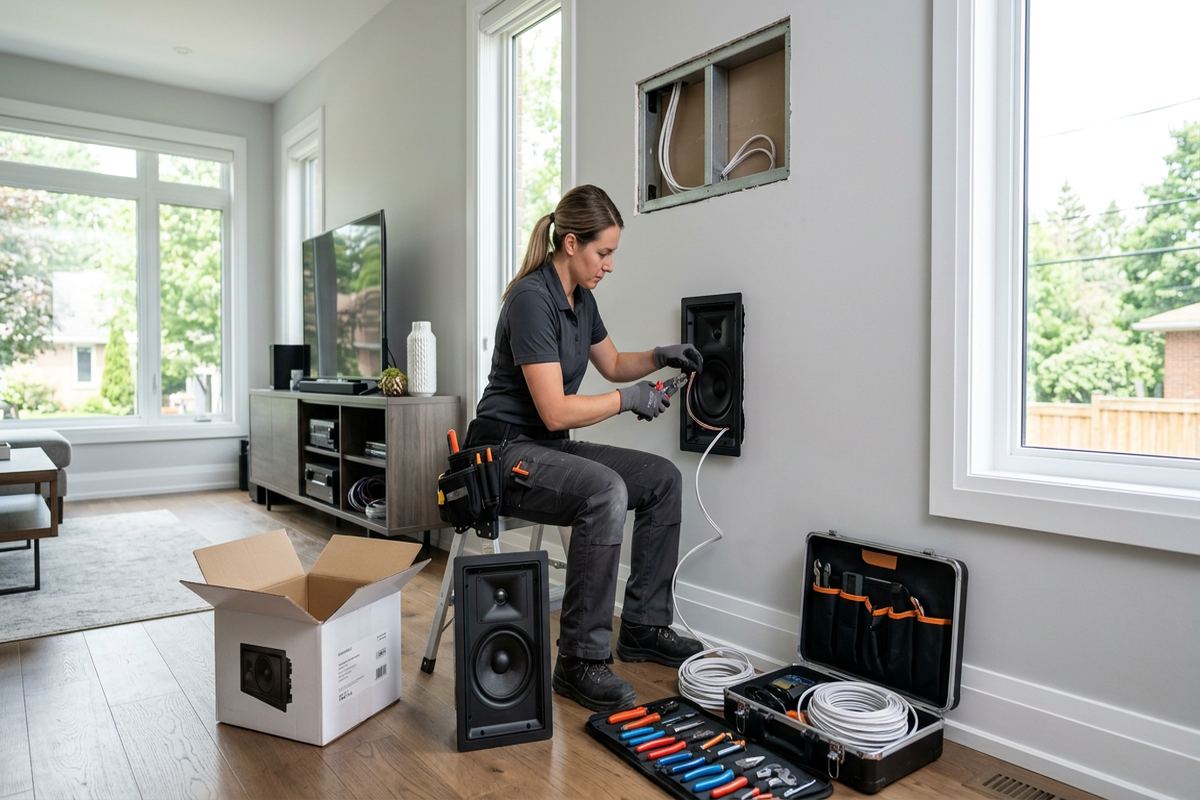
- Audio, display and control cabling
- Labelled terminations and as-built records
Planning Cable Routes in Collingwood Buildings
Building construction determines whether a cable route will be straightforward, concealed or partly surface-mounted. Frame construction may provide accessible basement, attic or stud spaces, while masonry walls can require different anchors, drilling methods and visible raceway. Older mixed-use properties in Downtown Collingwood may also contain renovations from several periods, making drawings unreliable and pathways difficult to predict. During the assessment, we look for obstructions, finished ceilings, fire separations, moisture risks and shared services. The proposed route balances appearance, cable protection, signal performance and future access rather than assuming every cable can be hidden.
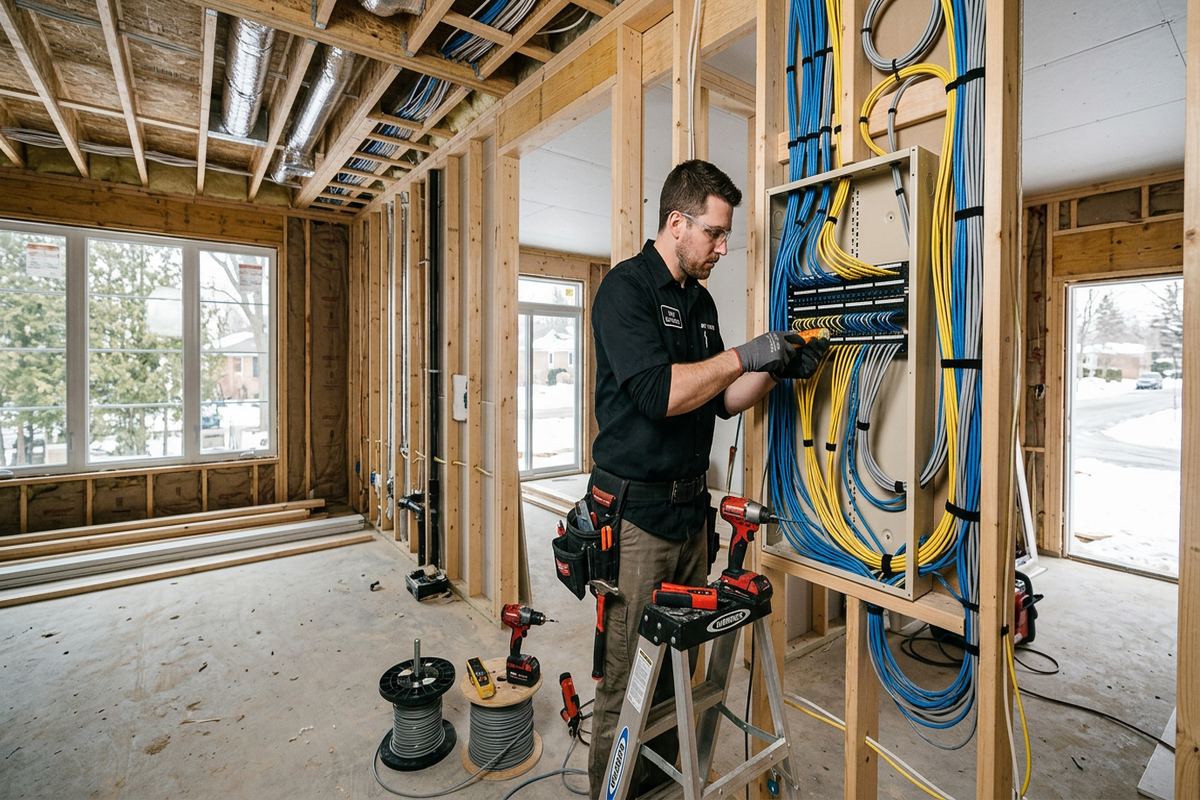
New construction and open renovations offer the greatest routing flexibility, but timing still matters. Low-voltage cable should be placed after pathways are confirmed and before walls or ceilings are closed, with enough separation from electrical conductors and sources of interference. In finished homes, we may use closets, unfinished basements, attic edges, existing conduits or carefully selected raceway. Any opening must be limited to what the installation needs. The written scope identifies expected access work and exclusions so the owner understands whether patching, painting, cabinetry changes or specialty restoration belong to another trade.
Commercial strips and industrial units present another set of conditions. Suspended ceilings may simplify horizontal distribution, but open ceilings, long distances, demising walls and equipment areas require suitable supports and careful route coordination. Cabling should not rest on ceiling tiles or unrelated building services. Where a route passes through a rated assembly, the penetration and sealing method must suit that assembly and project requirements. We also confirm termination locations, rack space, power availability and ventilation so network switches, recorders or controllers are not crowded into inaccessible cabinets after the cables have been installed.
- Assessment of frame and masonry construction
- Concealed or protected surface routes
- Coordination before walls and ceilings close
- Suitable cable support above ceilings
- Defined access and restoration exclusions
Cabling for Wi-Fi and Remote Access
Reliable Wi-Fi starts with wired backhaul to correctly placed access points. Adding a stronger router at one end of a building rarely resolves weak coverage through multiple floors, masonry walls or large chalet layouts. We assess likely access-point positions in relation to occupied rooms, exterior areas and network equipment, then install dedicated data cables to those locations. This approach allows compatible access points to communicate over cable instead of consuming wireless capacity for mesh links. Final performance still depends on the selected equipment, internet service, interference and building materials, all of which are considered in the proposed design.
Remote access systems for short-term rentals and resort properties may include cameras, door controllers, smart locks, alarm communicators and environmental devices. Their reliability depends on more than an application: each component needs appropriate network, power and physical installation. Where wired connections are supported, dedicated cabling reduces dependence on batteries and crowded wireless channels. UnifiedLink can provide cabling pathways and on-site configuration for the defined equipment. At handover, the owner receives access through their own credentials rather than an installer-controlled account, along with records showing the installed cable labels and termination points.
Properties in the Blue Mountain area can include detached buildings, finished lower levels, tall ceilings and outdoor living spaces. Cable planning should address these features before equipment is purchased. A detached structure may require a pathway and connection method suited to distance, exposure and electrical conditions rather than a basic indoor cable stretched outdoors. Likewise, an exterior access point needs a suitable mounting surface, weather-rated components and a properly sealed cable entry. We document assumptions and exclusions so owners know where trenching, conduit, electrical work or building repairs may be required.
- Wired backhaul for Wi-Fi access points
- Connections for remote property systems
- Owner-controlled accounts and credentials
- Planning for detached buildings
- Documented coverage and pathway assumptions
Collingwood, Ontario
Low-voltage cabling installation in Collingwood, scoped in writing first
Book a site assessment and get equipment, routes, exclusions, and warranty on paper before anything is installed.
Exterior Cabling for Collingwood Winters
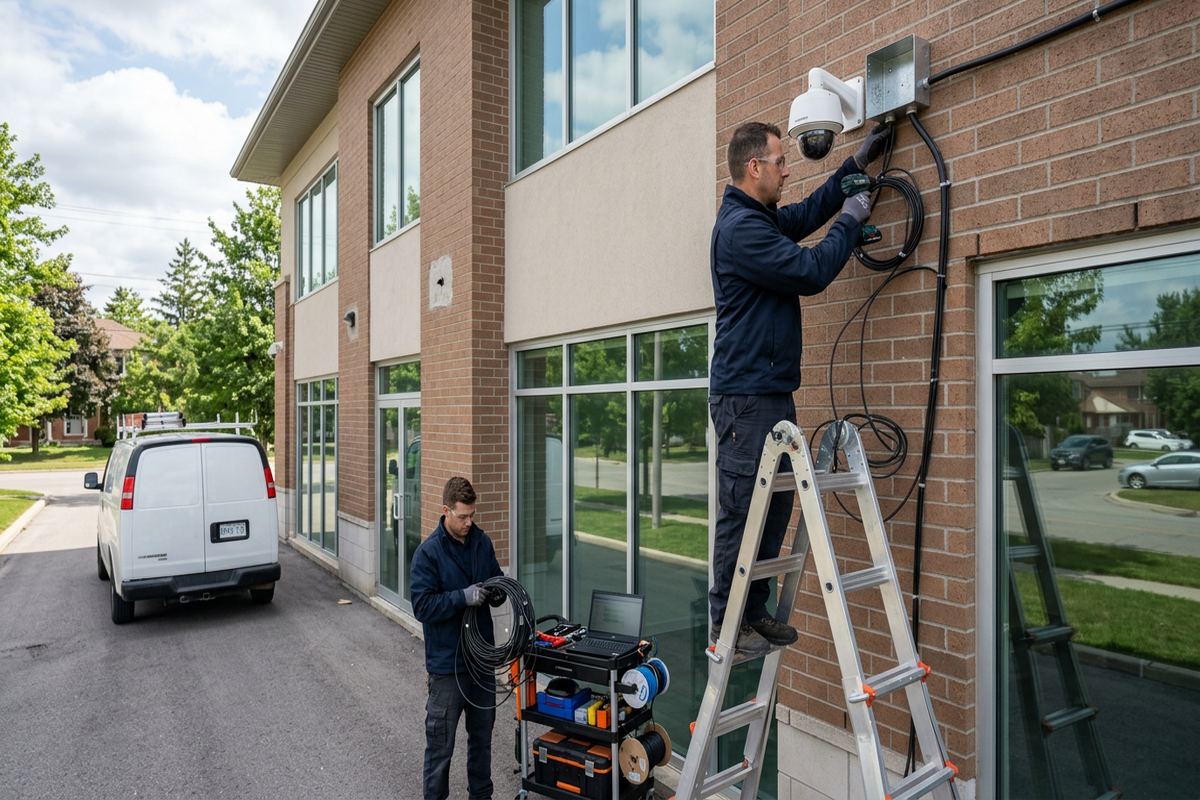
Outdoor cable routes in Collingwood must account for snow, wind, moisture and repeated freeze-thaw cycles. Water can follow an unsealed cable into a wall, while poorly positioned connectors may remain exposed to runoff or accumulated snow. We select exterior-rated materials where the route requires them, protect vulnerable transitions and seal penetrations using methods appropriate to the surface. Cable entries are generally arranged to reduce direct water exposure and avoid creating a path toward the interior. The installation plan also considers future access, because concealed connectors in inaccessible exterior cavities are difficult to inspect or replace.
Mounting to masonry differs from fastening to wood or framed siding. Brick faces, mortar joints, concrete, cladding systems and insulated exterior assemblies do not accept the same anchors or drilling approach. Before mounting a camera, access point or junction enclosure, we review the surface and identify a stable location that avoids unnecessary damage. Penetrations should not compromise drainage planes or place cables where ice, shovels or routine maintenance can strike them. For condominium or resort properties, exterior changes may also require written approval before any drilling, conduit or visible device installation begins.
Exterior cabling should be supported rather than left loose across siding, roofs or ground surfaces. Where conduit is appropriate, its route, fittings and transitions must manage exposure and allow the cable to be installed without damaging it. Underground links require defined responsibility for trenching, conduit, utility locates and restoration before work starts. We do not assume an indoor cable becomes suitable simply because it is inside a sleeve. The complete pathway, cable rating, bend limits and termination environment must be considered together, particularly for links serving gates, detached garages, signs or outdoor cameras.
- Exterior-rated cable where required
- Sealed wall and masonry penetrations
- Protected routes around snow and ice
- Mounting suited to each exterior surface
- Defined conduit and trenching responsibilities
Network, Security and Control Cabling
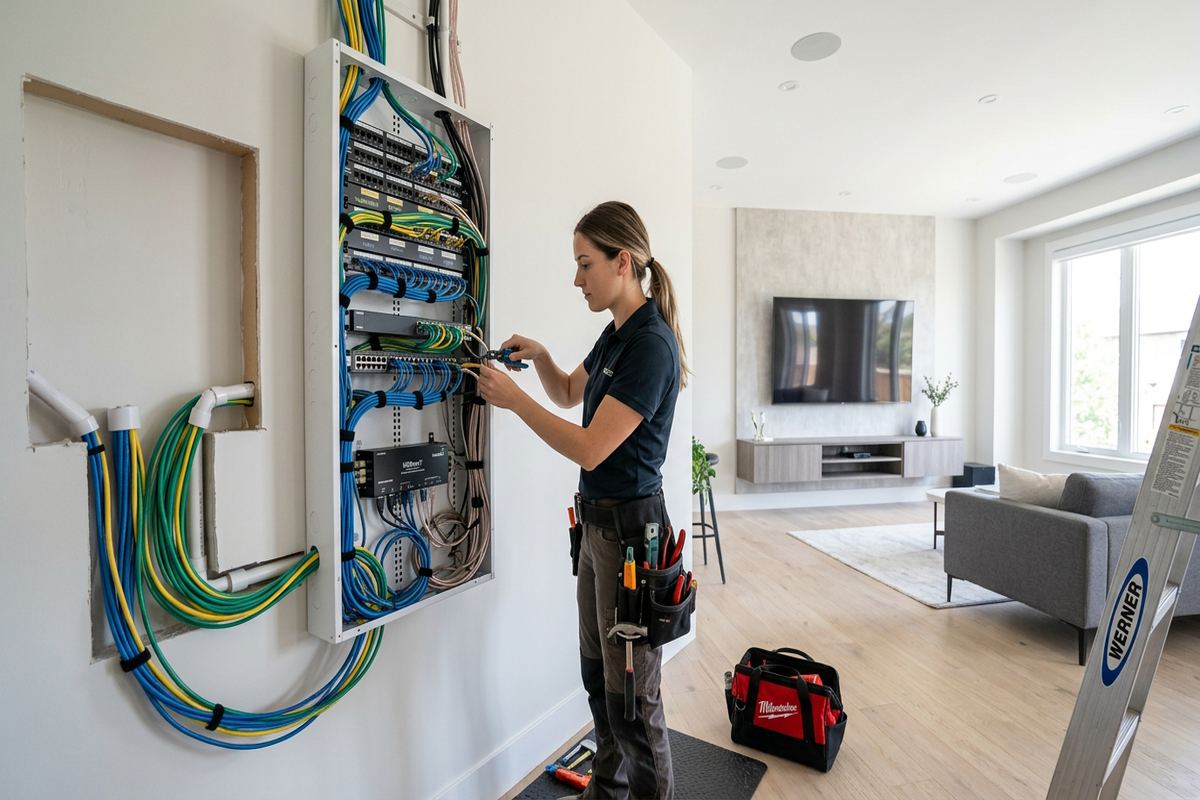
A structured cabling system can support several services while keeping each connection clearly identified. Network outlets may serve computers, phones, printers, televisions, access points and other compatible devices. Separate runs can connect cameras to a recorder or network switch, alarm sensors to a panel, and controlled doors to their designated controller. We avoid hidden joins wherever a continuous run is practical and approved. Central terminations are labelled to correspond with room or device labels, reducing guesswork when hardware changes. The as-built record provides a practical reference for troubleshooting, additions and future renovation planning.
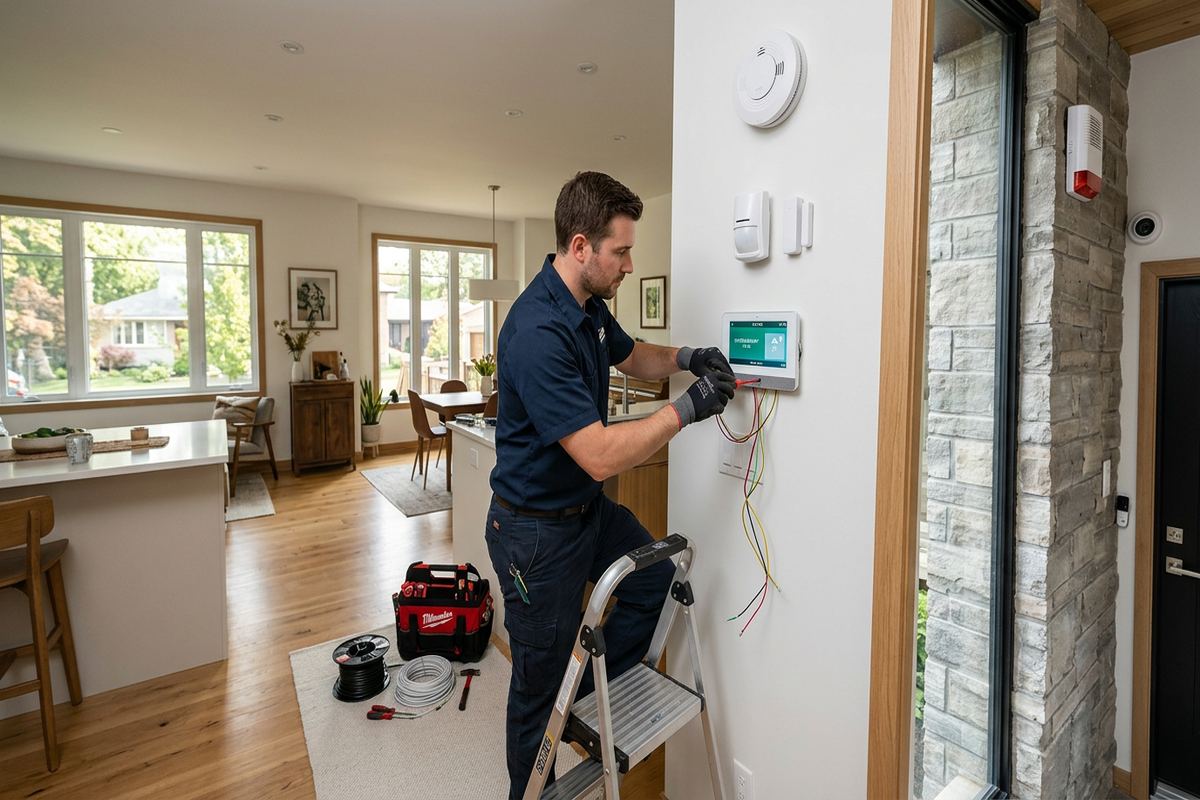
Security camera cabling requires coordination between the desired view and a workable mounting location. A camera placed for appearance alone may face glare, obstructions or an unsuitable field of view, while a technically useful location may require a different cable route. During planning, we discuss the monitoring objective, equipment location and pathway before openings are made. In Creekside homes, Downtown storefronts and industrial units, those decisions can vary substantially. Cabling can be installed for compatible network or conventional camera systems, with device configuration included where specified in the written project scope.
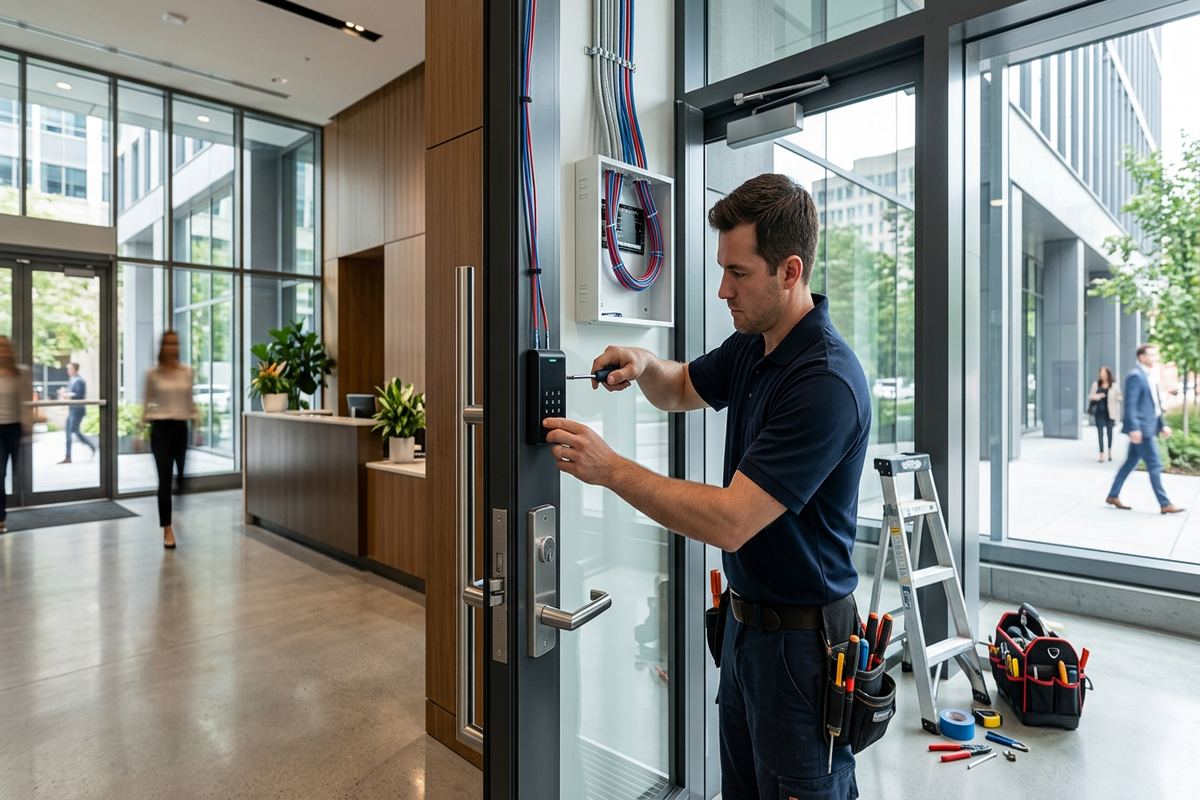
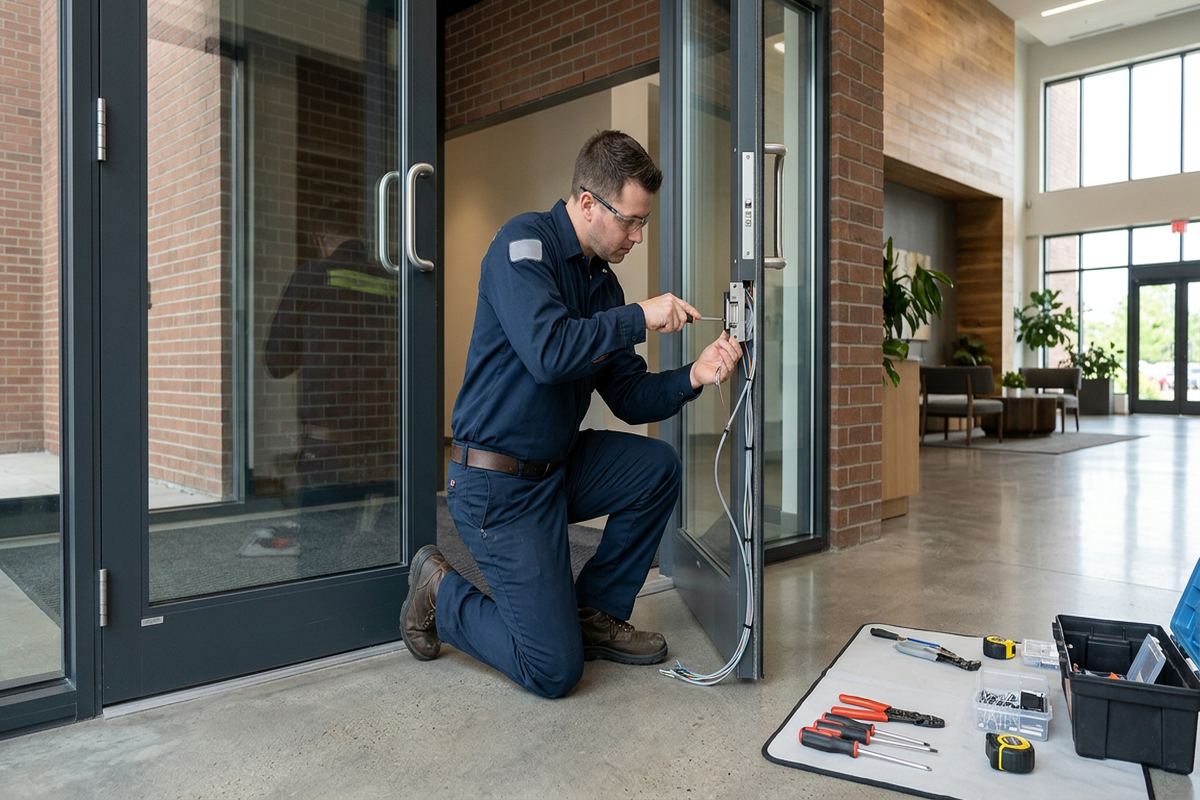
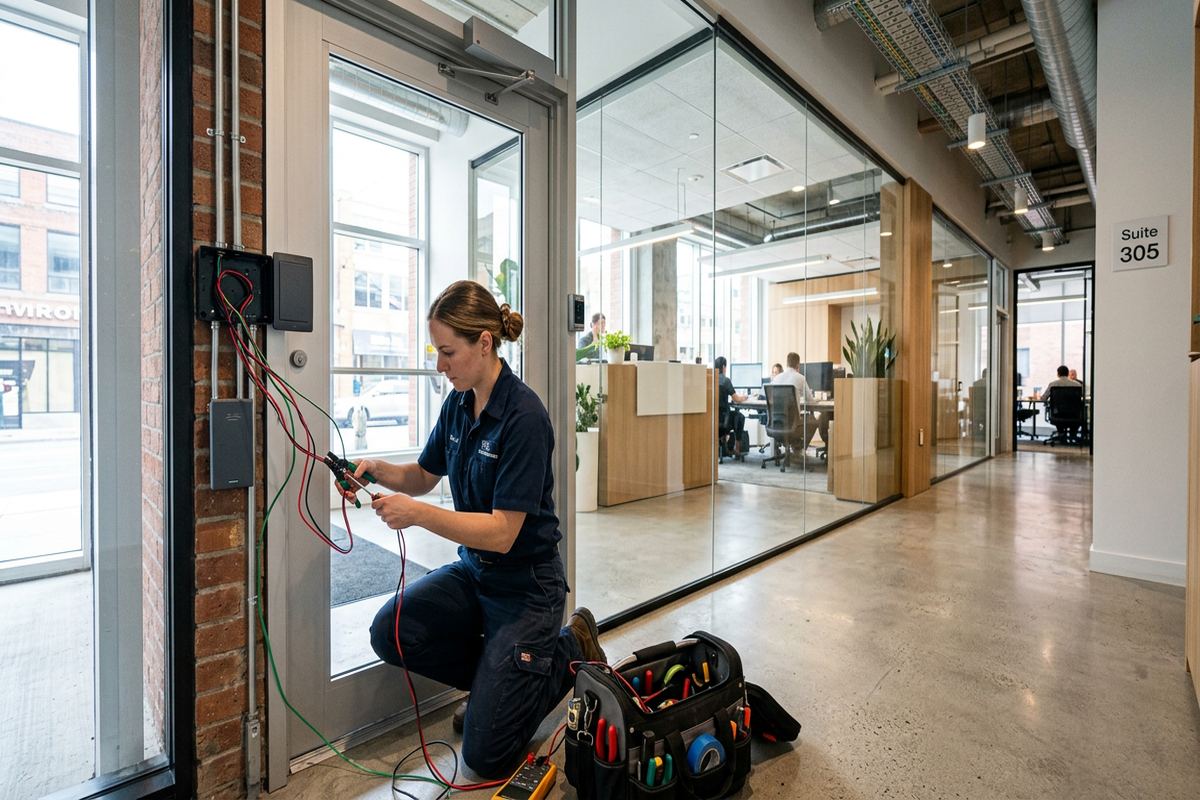
Access-control and alarm wiring involves more than pulling a cable to a doorway or sensor. Door contacts, request-to-exit devices, readers, locks, keypads and control equipment may each have distinct conductor and placement requirements. Door hardware and line-voltage power may involve other trades, so interfaces must be identified before installation. Audio and display systems likewise need the correct signal, speaker, network and control cabling for the selected equipment. UnifiedLink defines these boundaries in writing, coordinates the low-voltage portion and leaves labelled connections that can be traced without opening finished walls unnecessarily.
- Data outlets and central rack cabling
- Camera and recorder connections
- Alarm sensor and keypad wiring
- Access-control reader and door cabling
- Audio, display and control pathways
Approvals for Collingwood Condos and Rentals
Ownership and approval requirements should be resolved before cabling begins. In condominiums, the unit owner may need authorization for work affecting common walls, corridors, ceiling spaces, exterior cladding or shared telecommunications rooms. Lighthouse Point and other multi-unit communities can have property-specific rules for contractor access, work hours, visible devices and penetrations. UnifiedLink can provide a defined scope and route description for the customer to submit, but the customer or property manager remains responsible for obtaining required permissions unless the written scope states otherwise. Work proceeds only within the approved areas and conditions.
Landlords and short-term rental operators should also decide who owns the installed equipment, who controls system accounts and what access occupants receive. Those details affect network design, camera placement, lock administration and future service. The written scope records equipment ownership and exclusions, while handover uses the customer’s own credentials for configured systems. Camera and audio installations must be used in accordance with applicable privacy requirements and property rules. Cabling routes should also avoid creating unnecessary tenant disruption, especially when work enters occupied rooms or requires temporary access to utility and communication spaces.
Commercial tenants may control their suite without controlling the base building. A proposed route above a ceiling can cross common areas, rated walls or another tenant’s space, requiring landlord review and coordination. Before installation, the customer should confirm permitted pathways, building access procedures and any documentation requested by management. If an existing rack or cabling belongs to the landlord or a former tenant, ownership should be verified rather than assumed. Clear approvals prevent a technically workable route from being rejected after cable has been ordered or installation time has been scheduled.
- Condo and property-manager coordination
- Landlord approval for shared areas
- Clear equipment and account ownership
- Routes respecting occupied spaces
- Documented limits of contractor responsibility
Installation, Testing and Handover in Collingwood
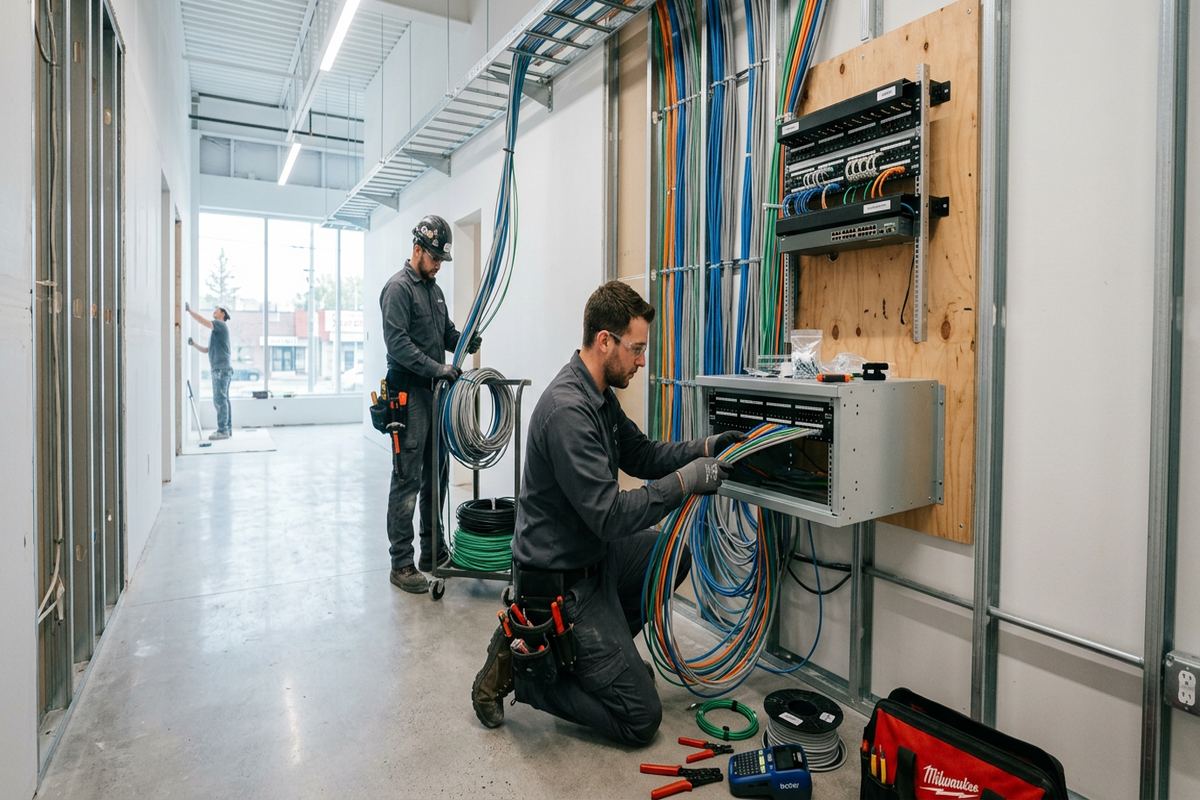
Once the route and scope are approved, installation follows the documented device locations and termination plan. Cables are supported at suitable intervals, protected at transitions and kept within their allowable pulling tension and bend limits. We maintain practical separation from electrical wiring and do not use plumbing, ductwork or ceiling-grid wires as cable supports. Both ends of each run receive consistent labels. If site conditions reveal a blocked pathway, concealed hazard or construction difference, we review the impact with the customer before changing the route or adding work beyond the agreed scope.
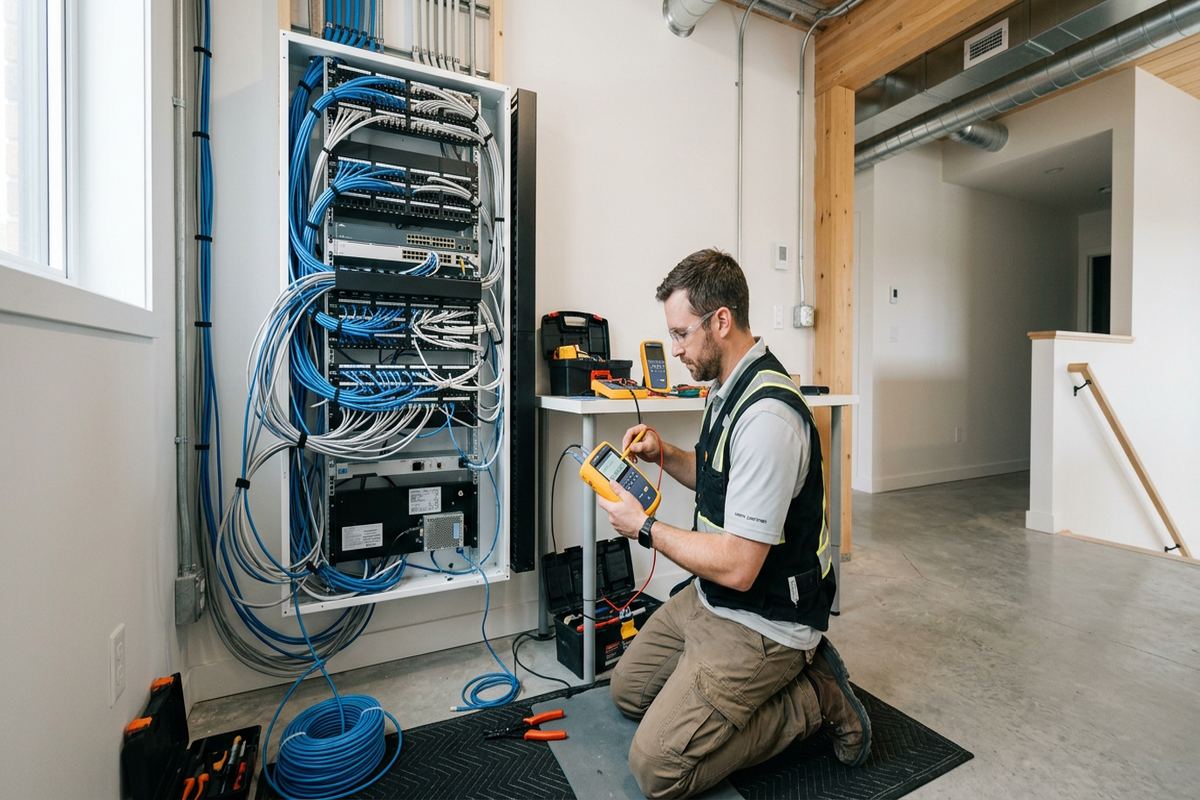
Testing depends on the cable and intended service. Data runs are checked for correct termination and continuity using suitable test equipment, while device circuits are verified according to the defined installation requirements. Testing cannot correct an internet provider outage, wireless interference or a device limitation, so those factors are separated from the physical cabling results where possible. For configured systems, we confirm basic operation on site using the approved equipment and available services. Any exceptions, inaccessible endpoints or customer-supplied components that prevent completion are recorded rather than concealed behind a general statement that the work is finished.
Handover gives the Collingwood property owner information needed to operate and maintain the installation. UnifiedLink provides the customer’s own credentials for configured systems, explains the primary equipment locations and supplies an as-built record of installed runs. The record reflects the completed work rather than an unverified original sketch. Labels at outlets, devices and central terminations correspond with that record. Equipment ownership and warranty terms follow the written scope. This documentation is particularly useful for rental managers, businesses with changing staff and homeowners planning later additions, because another technician can understand the cabling without starting from guesswork.
- Continuous runs with matching labels
- Appropriate support and cable protection
- Termination and continuity checks
- On-site configuration where included
- Credentials and as-built records at handover
Requesting a Collingwood Cabling Assessment
A useful cabling request begins with the property type, location and systems to be connected. Tell us whether the site is a house, chalet, condominium, rental, storefront, office or industrial unit, and identify any known construction or access restrictions. Photos of equipment areas, unfinished spaces and proposed device locations can help with initial planning, but they do not replace an assessment. For renovations, current drawings and timing information are valuable. We also need to know whether internet service, network hardware, cameras or other customer-supplied equipment already exists and is expected to remain.
During the site assessment, we review cable distances, pathways, mounting surfaces, termination space, available power and areas requiring approval. The assessment also identifies likely disruption, exterior exposure and coordination with other trades. Site assessment timing depends on the service and travel distance. Requests sent during business hours are answered the same day, while after-hours requests are answered the next business day. Pricing follows the assessment because finished conditions, access and cable routes can materially change the labour and materials required. We do not treat every outlet or building as interchangeable.
The resulting written scope is the basis for the installation. It identifies equipment, routes, device placement, exclusions, equipment ownership and warranty, giving both parties a shared reference before work begins. If choices remain, such as concealed routing versus surface raceway, they can be documented with their practical implications. Collingwood properties range from older masonry buildings to newer frame homes and resort developments, so this review prevents assumptions based on address alone. UnifiedLink remains the accountable contractor for the approved low-voltage scope, including installation, applicable configuration, testing and documented handover.
- Site assessment before pricing
- Review of routes and mounting locations
- Written equipment and installation scope
- Clear exclusions and ownership terms
- One accountable low-voltage contractor
Collingwood neighbourhoods we cover
- Downtown Collingwood
- Blue Mountain area
- Georgian Meadows
- Creekside
- Lighthouse Point
Low-voltage cabling installation in Collingwood — common questions
Can you add cabling to a finished Collingwood home?
Yes, subject to accessible and acceptable pathways. We assess basements, attics, closets, existing conduits and possible surface-raceway routes before pricing. Finished masonry, inaccessible ceiling cavities or tightly insulated walls may limit concealed options. The written scope identifies the proposed route and any expected access work, exclusions or restoration responsibilities before installation begins.
What cabling is recommended for reliable chalet Wi-Fi?
The appropriate design depends on the chalet’s size, levels, construction and internet service. In many Collingwood and Blue Mountain area properties, dedicated data runs to planned Wi-Fi access points provide more dependable backhaul than wireless mesh links alone. We assess coverage areas, masonry or timber obstructions, equipment locations and any exterior spaces before specifying routes and compatible hardware.
Do I need condo approval for low-voltage work?
Possibly. Collingwood condominium rules may require approval when cabling enters common ceilings, telecommunications rooms, exterior walls or shared building areas. Visible cameras, access points and conduit can also require authorization. The customer or property manager should confirm the rules. UnifiedLink can provide the proposed scope and route details needed for review, but approvals must be in place before affected work proceeds.
How do you protect outdoor cable from winter weather?
We use materials and pathway methods suited to the exposure, protect transitions and seal penetrations for the mounting surface. Collingwood winters bring snow, moisture and freeze-thaw conditions, so cable entries should reduce water movement and avoid areas vulnerable to ice or physical damage. Exterior device locations, connectors, conduit and masonry or siding attachments are reviewed as a complete assembly.
Will the cables and ports be labelled?
Yes. UnifiedLink installs continuous labelled runs and uses corresponding identification at device or outlet ends and central termination points. At handover, the Collingwood customer receives an as-built record reflecting the completed installation. This makes later troubleshooting, equipment replacement and additions more practical, especially in rental properties, commercial spaces and homes with multiple network or security devices.
How quickly can I arrange a site assessment?
Requests sent during business hours are answered the same day, and after-hours requests are answered the next business day. Site assessment timing depends on the service and travel distance. We first confirm the Collingwood property type, systems involved, access conditions and any renovation schedule. Pricing is prepared after the assessment and documented route review rather than from an assumed per-outlet configuration.
Coverage in Collingwood is confirmed against the address before we quote. See everything we install in Collingwood or the province-wide low-voltage cabling installation page.