UnifiedLink installs commercial security camera systems for businesses, rental properties, chalets and resort properties in Collingwood. Each project starts with a site assessment to confirm coverage, cable routes, recording needs, remote access and network conditions. We provide a written scope, complete the on-site configuration and hand over the system using credentials controlled by the customer.
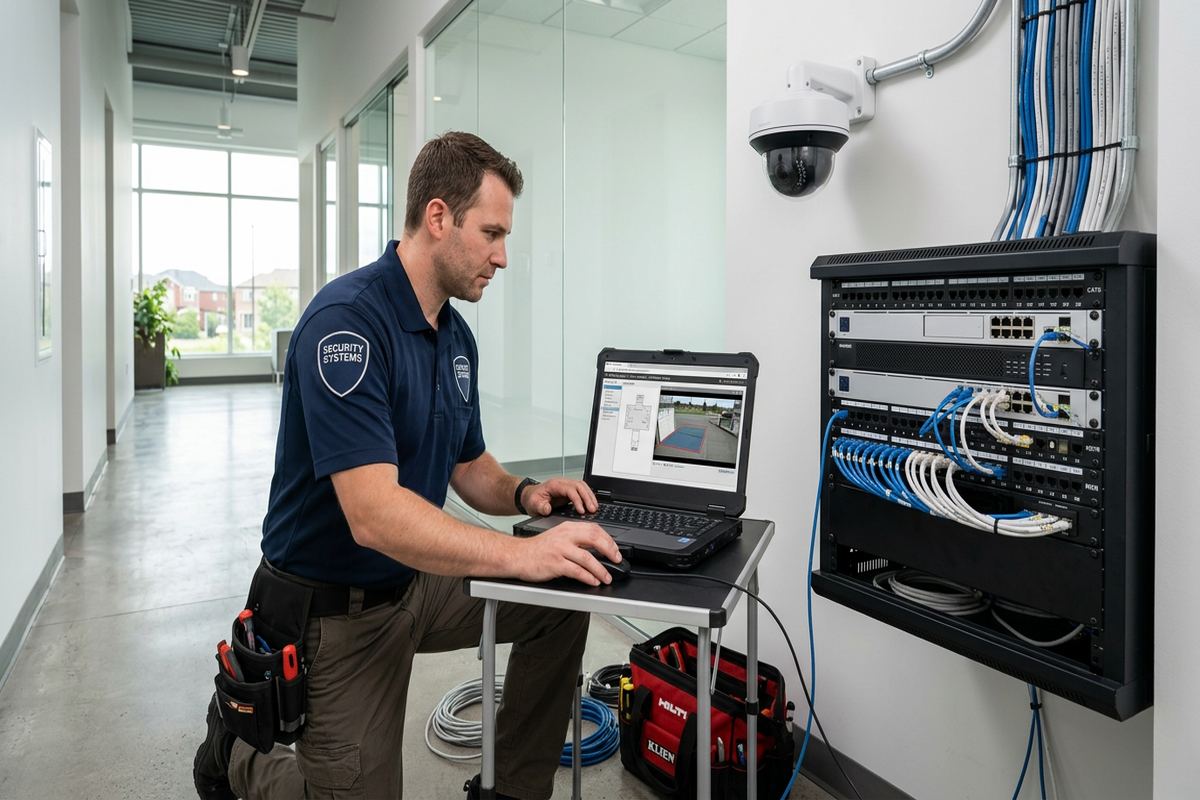
Commercial Security Camera Planning in Collingwood
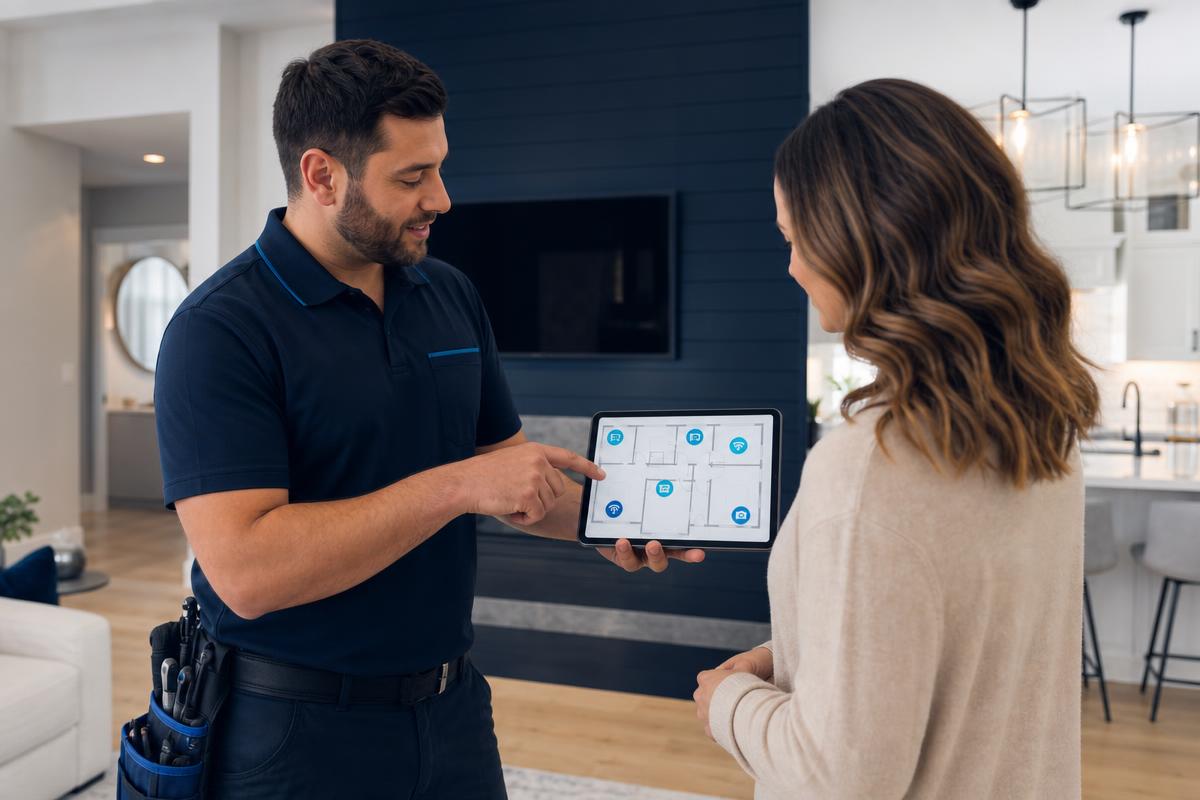
A useful camera system begins with a clear understanding of the property, operating hours and incidents the owner needs to review. During a Collingwood site assessment, UnifiedLink examines entrances, loading areas, counters, parking spaces, storage rooms and other points where identification or activity coverage matters. We also consider lighting changes, vehicle movement, reflections, obstructions and the distance between a likely subject and each proposed camera. This process avoids treating camera count as the main design measure. The objective is to establish practical views that support live monitoring, recorded review and day-to-day management without installing devices where they add little value.
Different commercial properties require different coverage strategies. A Downtown Collingwood storefront may need clear entrance, transaction-area and rear-access views while managing reflections from display windows. An industrial unit may place greater emphasis on loading doors, fenced storage, machinery areas and vehicle approaches. Chalets, short-term rentals and resort properties often require remote access, dependable exterior coverage and reliable Wi-Fi or wired network connections between occupied periods. Camera selection follows these conditions, including viewing angle, mounting height, low-light performance, weather exposure and whether the location calls for a fixed overview or a more focused identification view.
Before pricing, we document the proposed system in a written scope. It identifies equipment, device placement, cable routes, exclusions, equipment ownership and warranty terms so the customer can compare the work against operational requirements. The scope also notes recording locations, network connections, monitor requirements and any access equipment or approvals that may affect installation. If existing cameras, cabling or network hardware could remain in service, they are assessed rather than automatically replaced. This planning gives property owners, managers and tenants one defined basis for approving the project and reduces uncertainty once installation begins.
- Entrance, exit and transaction-area coverage planning
- Parking, loading and exterior perimeter assessment
- Lighting, reflections and obstruction review
- Recording and retention requirements documented
- Written scope completed before installation pricing
Camera Coverage for Collingwood Properties
Coverage is designed around what each camera must show, not simply whether an area appears somewhere in the frame. Wide views can establish movement through a lobby, showroom or parking area, but they may not provide sufficient detail for identifying a person or vehicle. Focused views at doors, gates and controlled passages provide stronger identification opportunities when placed at suitable heights and angles. In Collingwood commercial settings, we commonly separate overview and identification tasks instead of expecting one camera to do both. This approach also helps control backlighting from glass entrances, bright snow, headlights and changing daylight around exterior openings.
Building layouts across Collingwood can complicate otherwise straightforward coverage. Older commercial spaces may have renovated ceilings, concealed additions, mixed wall construction or limited pathways between front and rear areas. Newer frame buildings can offer accessible cavities, although fire separations, insulation and finished tenant spaces still affect routing. Masonry walls require appropriate anchors, drilling methods and protected transitions rather than surface fastening intended for wood framing. We inspect the actual mounting surface before selecting hardware. Where a cable must cross an exposed area, the route is planned to remain secure, serviceable and visually consistent with the property.
Neighbourhood and site context also influence placement. Downtown Collingwood businesses may share walls, service corridors or rear access with neighbouring tenants, making property boundaries and permitted mounting areas important. Georgian Meadows and Creekside properties can include mixed residential and commercial activity where cameras should cover the customer’s premises without unnecessarily viewing adjacent private areas. At Lighthouse Point, condominium rules may govern exterior devices, common elements and penetrations. We identify locations that need landlord, condominium corporation or property-management approval before drilling or cable installation, leaving authorization with the customer rather than assuming permission.
- Overview and identification views assigned separately
- Mounting heights matched to the required image
- Backlighting and snow glare considered
- Masonry and frame surfaces assessed
- Shared-property boundaries reviewed before placement
Exterior Camera Installation for Collingwood Winters
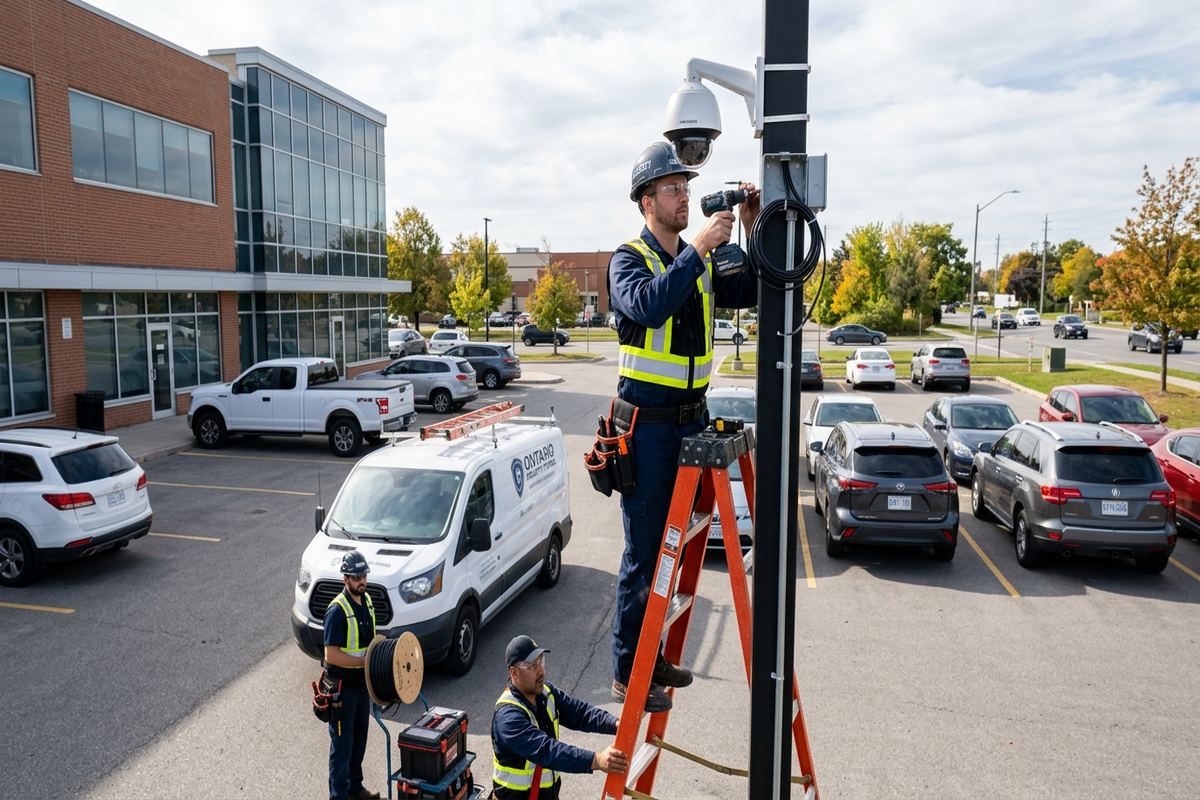
Exterior equipment in Collingwood must be installed for repeated winter exposure rather than treated as an indoor camera with a weather rating. Freeze-thaw cycles can affect poorly sealed wall penetrations, loose fittings and mounting surfaces that retain water. Snow and ice may obscure low devices, while roof runoff can repeatedly soak a camera or junction point. During planning, we look at eaves, downspouts, prevailing exposure, snow storage and likely maintenance access. Cameras are positioned to reduce avoidable weather impact while preserving the required view, and exterior mounting hardware is selected for the substrate and expected environmental conditions.
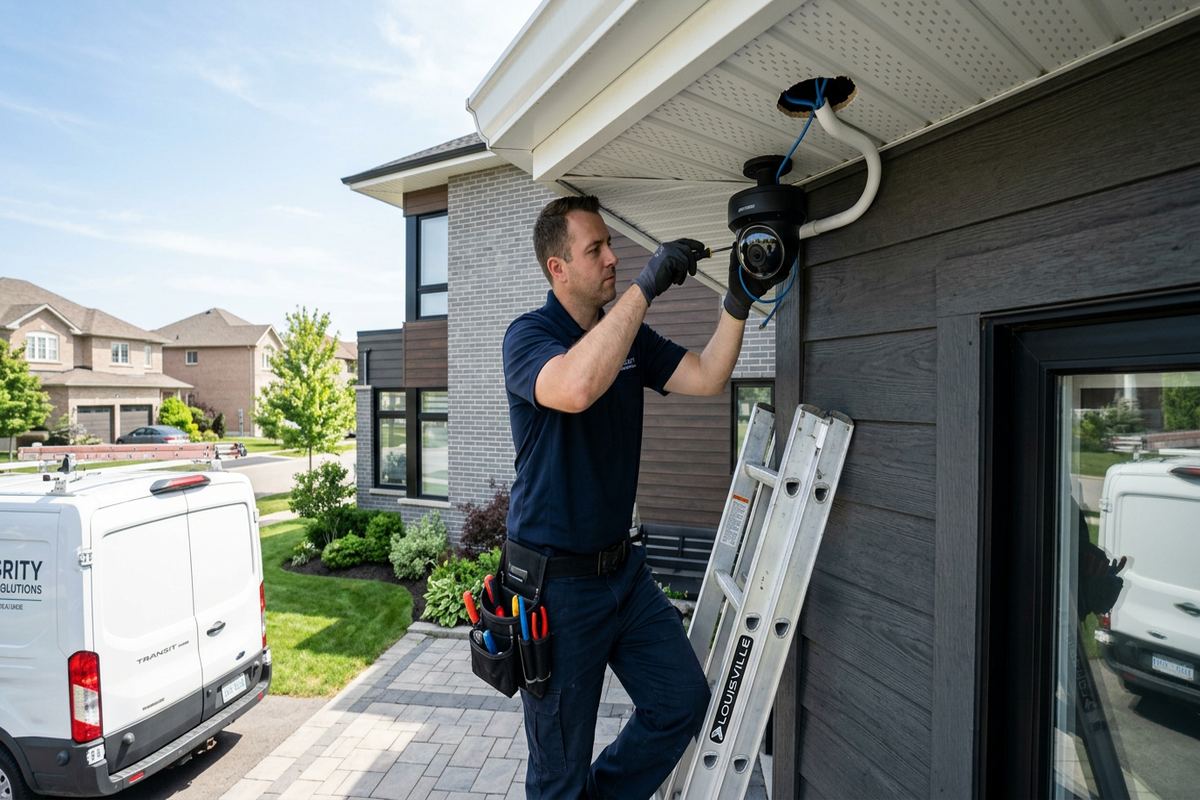
Cable entries receive the same attention as the camera itself. Penetrations should be appropriately sized, protected and sealed so water is not directed into a wall cavity or along the cable. Exterior connections are housed and supported rather than left exposed behind a loosely mounted device. Drip management, connector location and service access are considered before fastening the camera. On masonry, mounting points must avoid unstable joints or damaged surfaces; on frame construction, hardware must engage suitable backing. These details matter for commercial buildings, chalets and short-term rentals where an unnoticed leak or intermittent connection may continue between site visits.
Cold-weather images can also be affected by factors unrelated to the camera specification. Infrared light may reflect from nearby soffits, walls, icicles, falling snow or accumulated moisture on a dome. Bright snow can change exposure across a parking area, and headlights can overwhelm a poorly chosen viewing angle. We test the installed views and adjust aim, focus and image settings on site. Where practical, cameras are placed where lenses can be reached for cleaning without disrupting business operations. The handover explains basic inspection needs so staff or property managers can recognize a blocked or degraded view.
- Sealed and protected exterior cable entries
- Mounting hardware suited to the substrate
- Roof runoff and snow accumulation considered
- Infrared reflection checked after dark
- Service access included in placement decisions
Collingwood, Ontario
Commercial security camera installation in Collingwood, scoped in writing first
Book a site assessment and get equipment, routes, exclusions, and warranty on paper before anything is installed.
Recording, Remote Access and Collingwood Networks
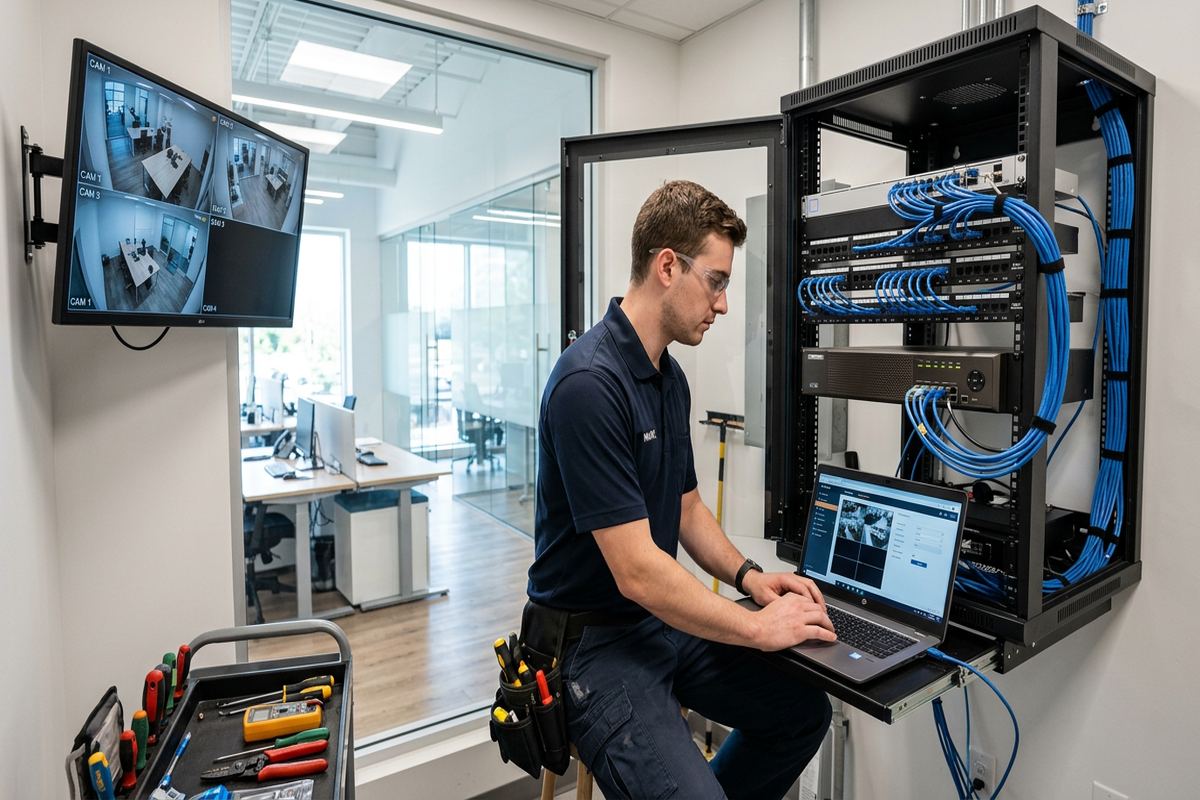
Recording equipment must be sized and configured around the required cameras, image settings and retention objective. UnifiedLink confirms where the recorder will be located, who can physically access it and how it will be protected from routine interference. A locked office, communications room or suitable cabinet is generally preferable to an exposed counter or publicly accessible shelf. Storage expectations are discussed before equipment selection because resolution, frame rate, motion patterns and continuous recording choices all affect retained footage. We configure the recorder on site, establish time and date settings, label camera names clearly and verify that recorded video can be searched and exported.
Remote viewing is particularly important for Collingwood chalets, short-term rentals and resort properties that may be managed from another community. Reliable access depends on more than installing a mobile application. The recorder, internet connection, local network and account settings must work together, and weak Wi-Fi coverage can make wireless devices unreliable around detached structures or exterior areas. Where cameras support wired connections, continuous cable runs generally provide a more predictable path. If network improvements are required, they are identified in the scope rather than concealed within the camera installation. Remote access is then tested using the customer’s intended devices.
Credentials and account ownership are addressed during commissioning, not left as an afterthought. The customer receives access using accounts and passwords they control, avoiding long-term dependence on an installer-owned login. Permissions can be separated when owners, managers and staff need different capabilities, such as live viewing without administrative control. We document relevant device names, network details and access steps in the as-built record while avoiding unnecessary distribution of sensitive passwords. If a landlord, condominium manager or outside IT provider controls part of the network, responsibilities are confirmed before configuration so changes do not interrupt other building systems.
- Recorder location and physical access reviewed
- Retention needs discussed before equipment selection
- Wired and Wi-Fi conditions tested
- Remote viewing configured on customer devices
- Customer-controlled accounts used at handover
Structured Cabling for Collingwood Camera Systems
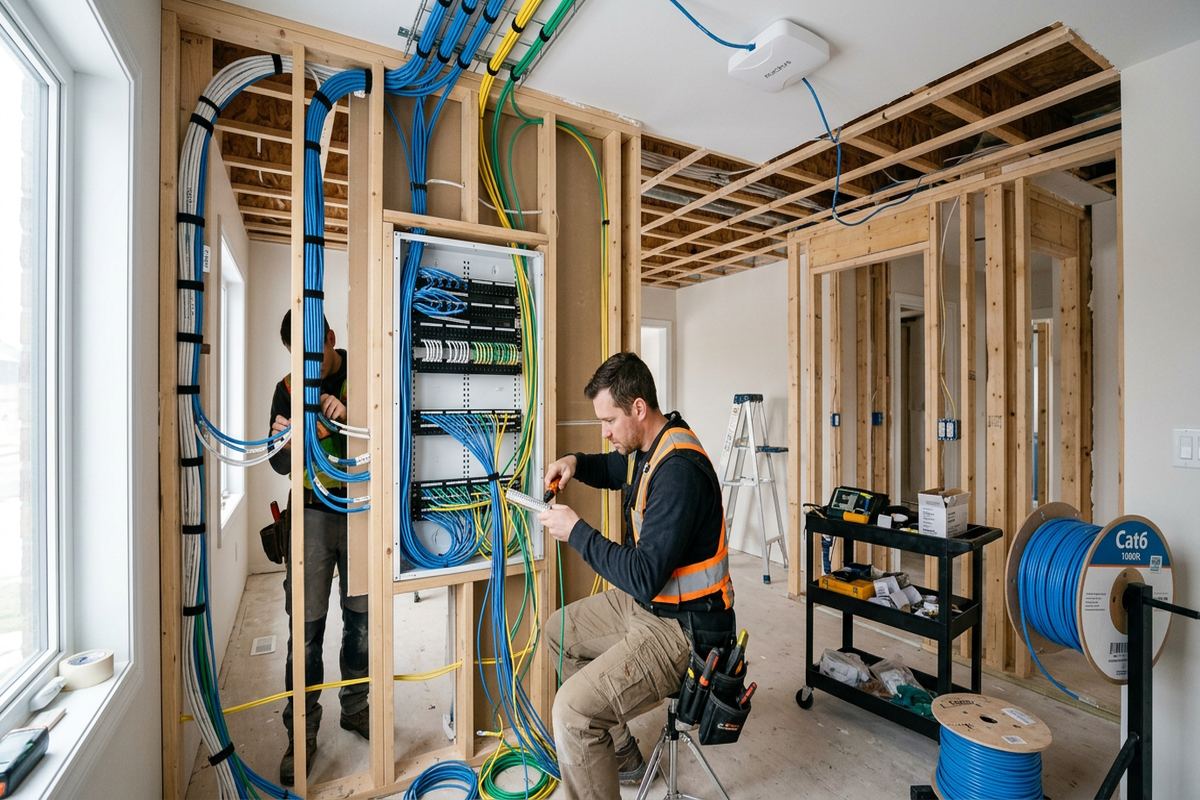
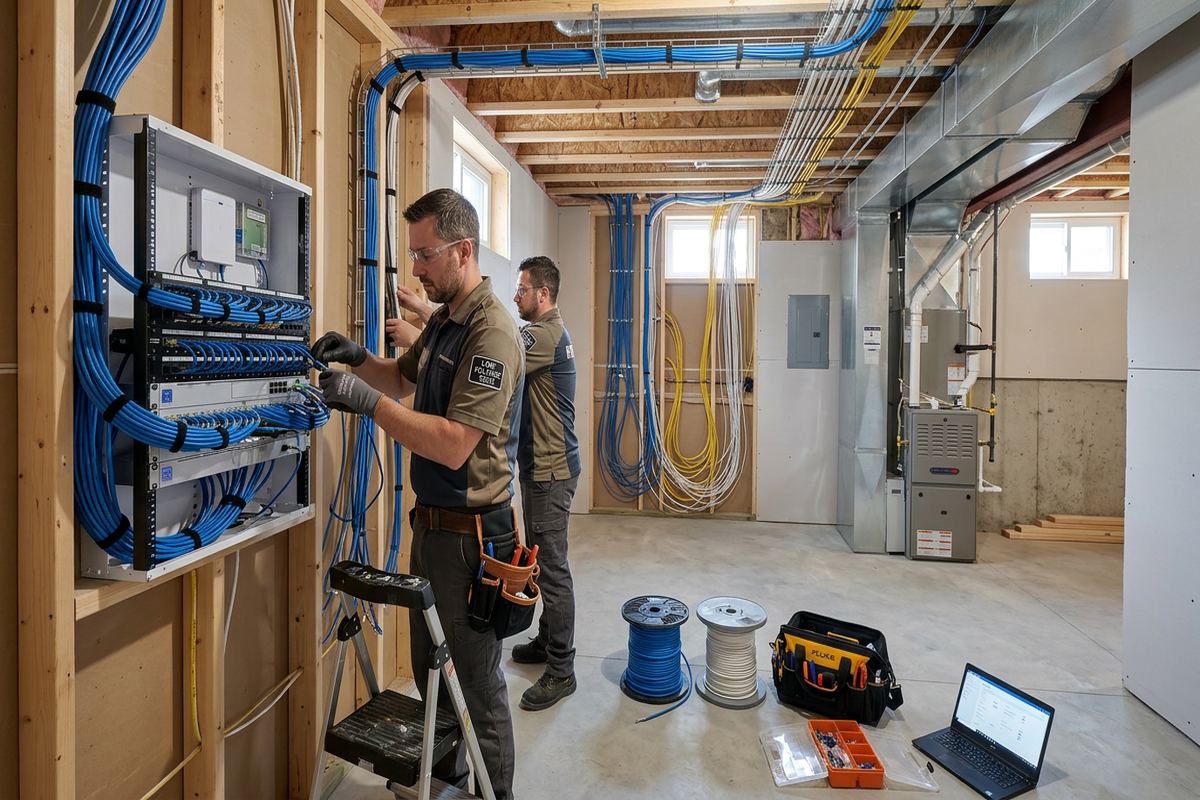
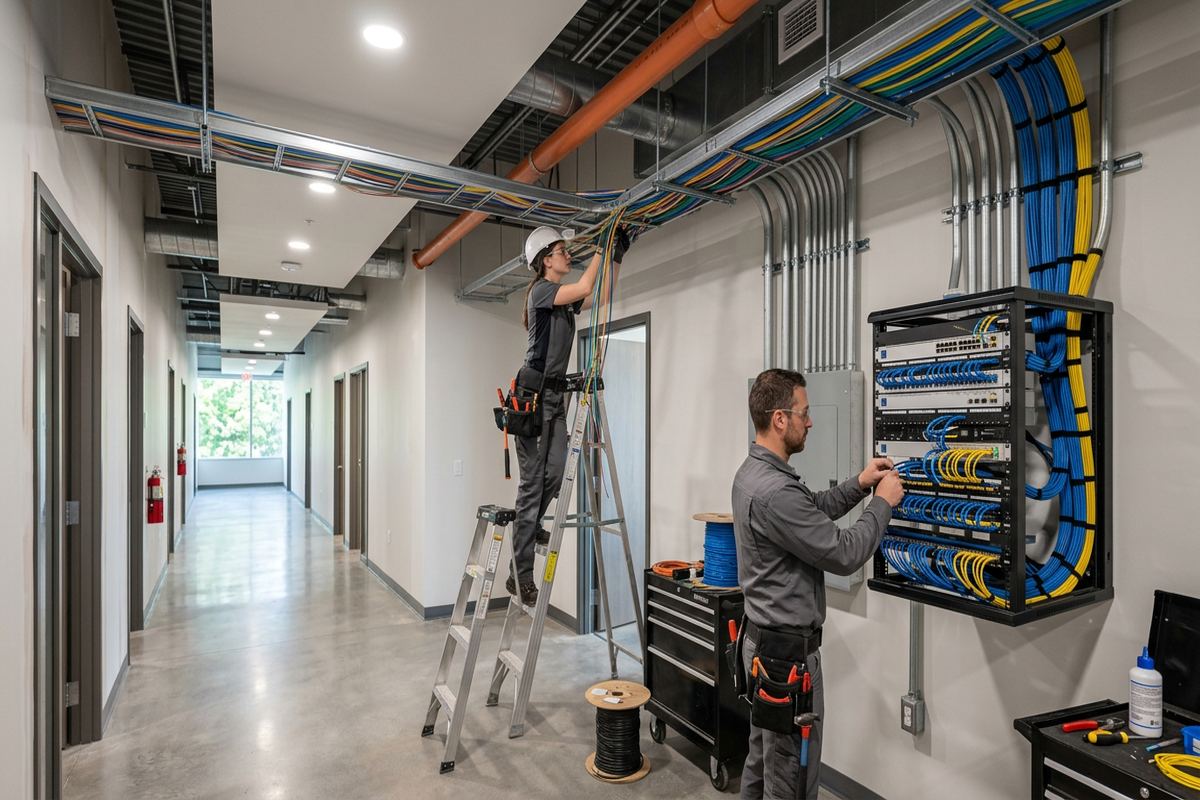
Camera performance depends on the pathway connecting each device to the network or recorder. UnifiedLink installs continuous labelled cable runs rather than joining short sections in concealed spaces. Routes are selected during the site assessment, considering ceiling access, wall cavities, service rooms, fire separations, exterior transitions and future maintenance. Each cable is supported and kept away from conditions that can damage it or create avoidable interference. Labels at both ends help identify the associated camera during troubleshooting, recorder changes or renovations. This cabling discipline is valuable in multi-tenant properties where several systems may share a crowded communications area.
Renovated commercial buildings often reveal several generations of cabling above ceilings or along rear walls. Some abandoned cable may look reusable but lack clear endpoints, suitable construction or dependable test results. We trace and evaluate existing pathways where access allows, then state what can and cannot be relied upon. In Downtown Collingwood, older building stock can include masonry divisions, finished plaster, narrow service spaces and additions built at different times. Routing may therefore require visible conduit, coordinated access or an alternative recorder position. These constraints are discussed before work begins instead of being resolved through unapproved drilling during installation.
Industrial units and larger resort properties create a different set of pathway questions. Long distances, detached buildings and exterior links may exceed the practical limits of a basic copper run or expose equipment to electrical differences between structures. Network cabinets, switches, fibre pathways or local power arrangements may need to be considered as part of the design. We coordinate camera connections with the existing network without assuming spare capacity or suitable ports are available. When an IT provider manages the site, required addresses, network segments and connection responsibilities are documented so the security system can be commissioned without disrupting business data or guest services.
- Continuous cable runs without concealed joins
- Labels applied at both cable ends
- Existing cabling traced and assessed
- Routes coordinated with fire separations
- Network capacity confirmed before connection
Approvals, Privacy and Operating Requirements
Commercial camera installation may involve several decision-makers even when the system serves one business. A tenant can approve interior device locations but still require landlord consent for exterior drilling, roofline mounting or cable routes through common areas. Condominium properties may impose additional rules for common elements, visible equipment and work scheduling. This is relevant around Lighthouse Point and other managed developments where ownership boundaries are not always obvious from inside a unit. We identify affected areas during the assessment and reflect them in the scope. The customer remains responsible for obtaining the necessary written permissions before those portions of work proceed.
Camera views should match a legitimate operational purpose and avoid unnecessary observation beyond the property being protected. Entrances, cash areas, loading points and private storage may justify coverage, while neighbouring windows, residential yards or unrelated common areas may not. Audio recording requires separate consideration because a camera with a microphone introduces issues beyond video capture. UnifiedLink can adjust placement, viewing angle and privacy masking where supported, but the business owner determines its policies, notices and legal obligations. Staff access to live and recorded video should also be limited according to role instead of sharing one administrative account across the workplace.
Operational planning determines whether footage remains useful after installation. Businesses should decide who reviews incidents, who can export recordings, how requests are handled and what happens when an authorized manager leaves. Short-term rental and chalet operators in the Blue Mountain area should distinguish exterior security needs from guest privacy and ensure cameras are disclosed and managed appropriately. A technical installation does not replace those policies. At handover, we demonstrate routine search and export functions to designated users, explain basic health checks and record the agreed configuration, giving management a practical foundation for responsible daily use.
- Landlord and condominium approvals identified
- Views limited to relevant property areas
- Privacy masking applied where supported
- User permissions separated by responsibility
- Search and export procedures demonstrated
Installation and Commissioning Across Collingwood
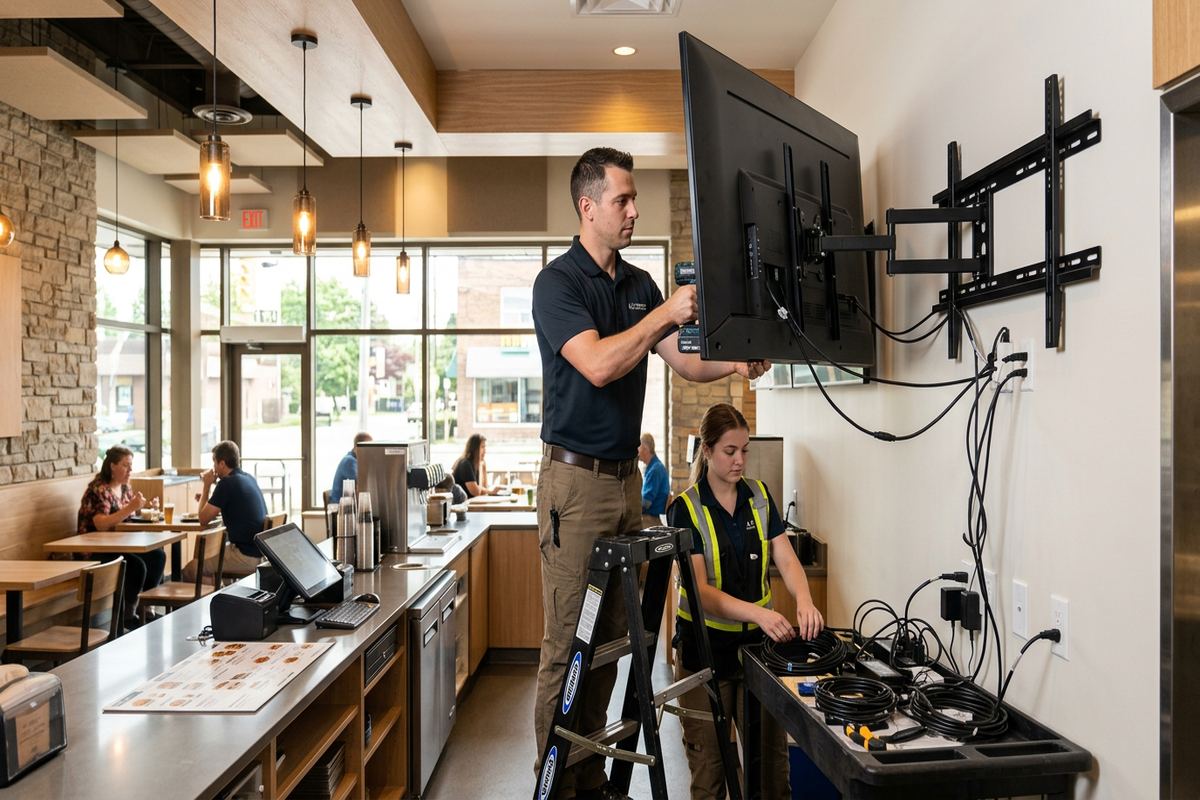
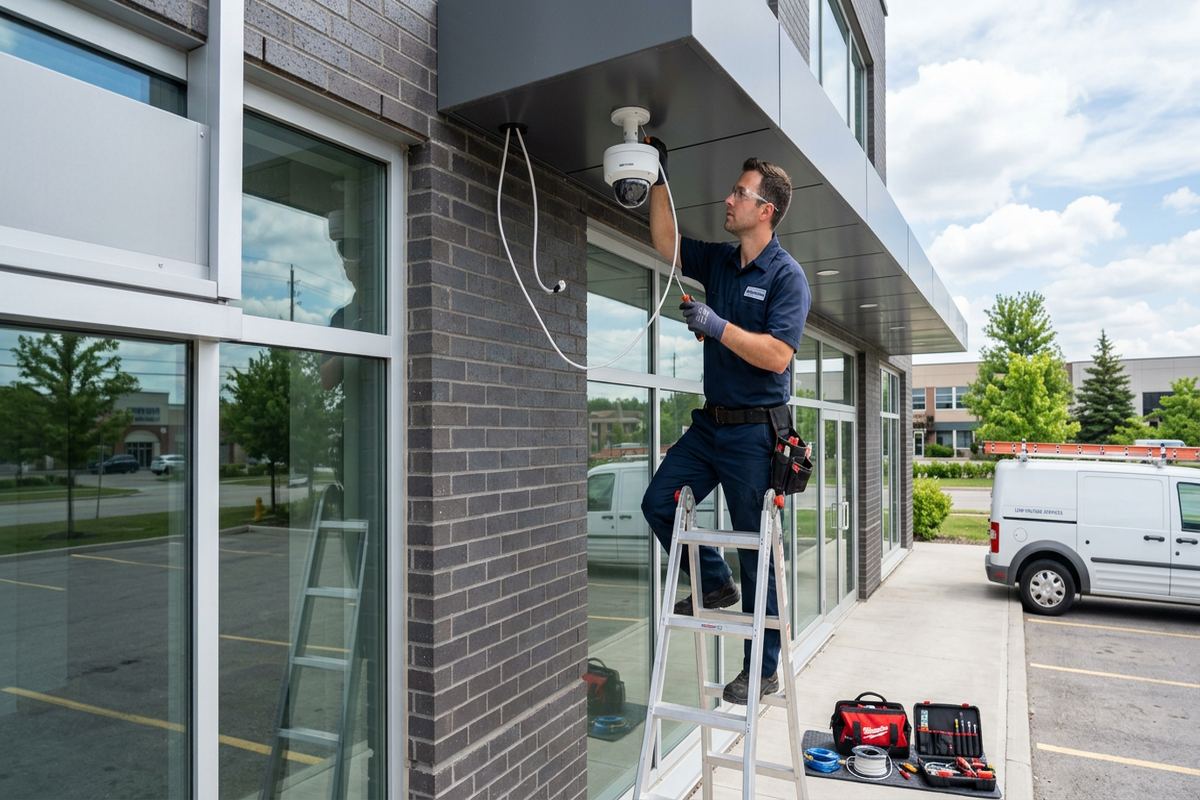
Once the scope and required approvals are accepted, installation is coordinated around property access and normal operations. Retail and hospitality sites may need work divided by area to keep entrances, guest routes or transaction spaces usable. Warehouses and industrial units may require coordination around deliveries, lifts, machinery or restricted zones. Before mounting begins, technicians confirm device positions against the approved plan and check for changes since the assessment. One accountable contractor manages camera mounting, cabling, recorder connection and configuration, reducing gaps between separate trades and providing the customer with a defined contact for the agreed low-voltage work.
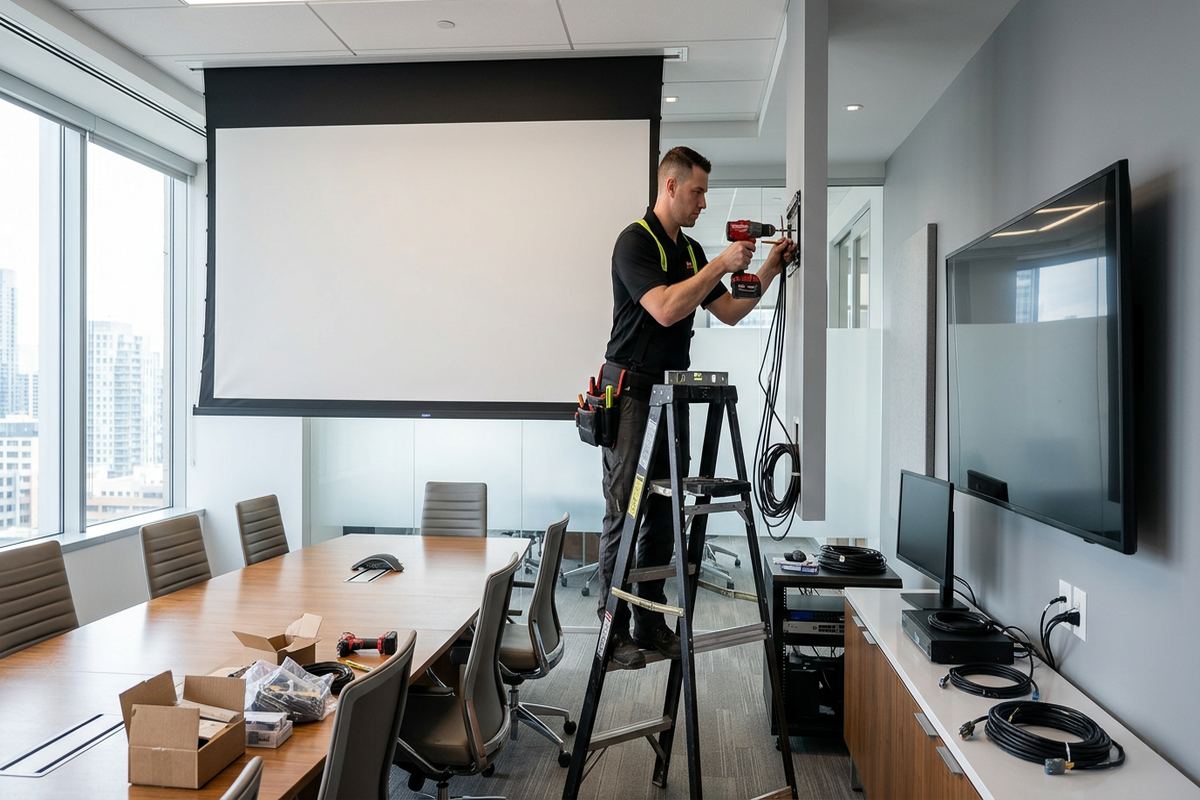
Physical installation includes secure mounting, cable support, termination, labelling and connection to the designated recording or network equipment. Devices are aimed using actual scene conditions rather than a generic direction from the floor. We verify each camera’s name, image, focus, field of view and recording status, then review exterior images for obstructions and reflections. At commercial strips, mounting is coordinated with signs, lighting, awnings and neighbouring tenant areas. At chalets or resort properties near the Blue Mountain area, testing also covers remote connectivity and any network link relied upon when the property is unoccupied.
Commissioning turns installed hardware into an operating system. Recording schedules, motion settings, image parameters, user permissions and notification options are configured according to the approved requirements and equipment capabilities. Excessive alerts can make a system difficult to use, especially outdoors where snow, branches, headlights and routine pedestrian movement create frequent activity. We test selected settings on site and explain where seasonal adjustment may be needed. The final review confirms live views, playback and export from the designated interface. Any item excluded from the scope, dependent on another provider or awaiting approval is recorded rather than left ambiguous.
- Installation coordinated around business operations
- Camera views verified from the recorder
- Exterior images checked for reflections
- Recording and user settings configured on site
- Outstanding dependencies documented clearly
Collingwood Camera System Handover and Support
A completed Collingwood installation includes a structured handover rather than only a confirmation that cameras display video. Designated users are shown how to reach live views, search by time, review recorded events and export a relevant clip. Remote access is checked on the customer’s own devices where included in the scope. Administrative control is transferred using customer-owned credentials, and account recovery details remain with the customer. This approach allows the organization to manage staff changes, permissions and future service without depending on an installer-controlled account that it cannot independently access.
The as-built record identifies installed devices, camera names, cable labels, recorder or network locations and material changes from the original plan. It provides a practical reference when a ceiling is renovated, a tenant changes, network equipment is replaced or a camera requires service. The written scope already establishes equipment ownership, exclusions and warranty terms; the handover record connects those commitments to the completed installation. For properties with multiple managers or seasonal operations, retaining this information in an accessible business file can prevent uncertainty when the person who originally supervised the work is no longer available.
Ongoing reliability also depends on basic property maintenance and periodic review. Lenses can collect dirt, insects or salt residue, landscaping can grow into a view, and snow storage may block a low camera that worked well in summer. Network changes can affect remote access even when the recording equipment remains functional. Collingwood businesses should check critical views after severe weather, renovations, internet changes and exterior lighting adjustments. Requests sent during business hours are answered the same day, while after-hours requests are answered the next business day. Site assessment timing depends on the required service and travel distance.
- Live view, playback and export demonstrated
- Customer-owned credentials used for access
- As-built camera and cable record supplied
- Equipment ownership and warranty documented
- Seasonal inspection points explained at handover
Collingwood neighbourhoods we cover
- Downtown Collingwood
- Blue Mountain area
- Georgian Meadows
- Creekside
- Lighthouse Point
Commercial security camera installation in Collingwood — common questions
Do you assess my Collingwood property before quoting?
Yes. UnifiedLink completes a site assessment before pricing. We review the areas requiring coverage, mounting surfaces, lighting, cable routes, recorder location, network conditions and approval requirements. Site assessment timing depends on the service and travel distance. Afterward, you receive a written scope covering equipment, routes, placement, exclusions, equipment ownership and warranty.
Can I view the cameras when I am away?
Remote viewing can be configured on customer devices when the recorder, internet service and local network support it. This is common for Collingwood chalets, short-term rentals and resort properties. We test access during commissioning and use credentials controlled by the customer. If weak Wi-Fi or network limitations could affect reliability, those issues are identified in the scope.
Will exterior cameras handle Collingwood winters?
Exterior cameras are selected and mounted for their intended exposure, with attention to freeze-thaw conditions, snow, runoff and sealed cable entries. Placement also considers infrared reflection from soffits, walls and falling snow. No exterior device is maintenance-free, so the handover includes practical inspection points such as cleaning lenses, checking seals and removing seasonal obstructions.
Can you install cameras in a leased or condo property?
Yes, provided the necessary permissions are in place. Collingwood tenants may need landlord approval for drilling, exterior devices or routes through common areas. Condominium properties can require approval for visible equipment and penetrations into common elements. We identify likely approval points during the assessment, but the customer is responsible for securing authorization before affected work begins.
Can you reuse my existing cameras or cabling?
Existing equipment and cabling can be assessed for compatibility, condition and suitability. Reuse depends on factors such as cable construction, test results, camera protocol, recorder support and whether account credentials are available. In older Collingwood commercial buildings, unidentified or joined cabling may not provide a dependable path. Reusable components and any limitations are stated in the written scope.
What do I receive after installation?
You receive an on-site configured system, customer-controlled access credentials and an as-built record identifying devices, cable labels and relevant equipment locations. Designated users are shown live viewing, playback and export functions. The written documentation also records equipment ownership, warranty terms, exclusions and outstanding dependencies, providing a clear reference for future maintenance, renovations or network changes.
Coverage in Collingwood is confirmed against the address before we quote. See everything we install in Collingwood or the province-wide commercial security camera installation page.