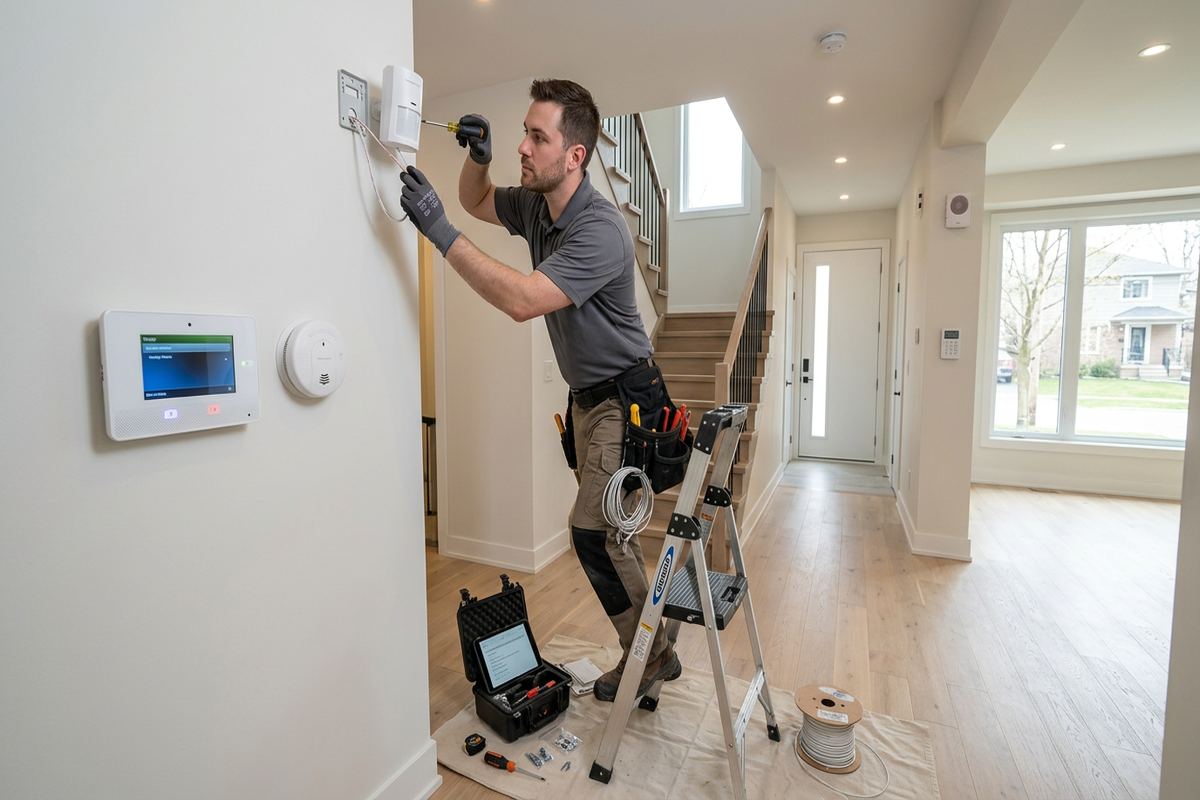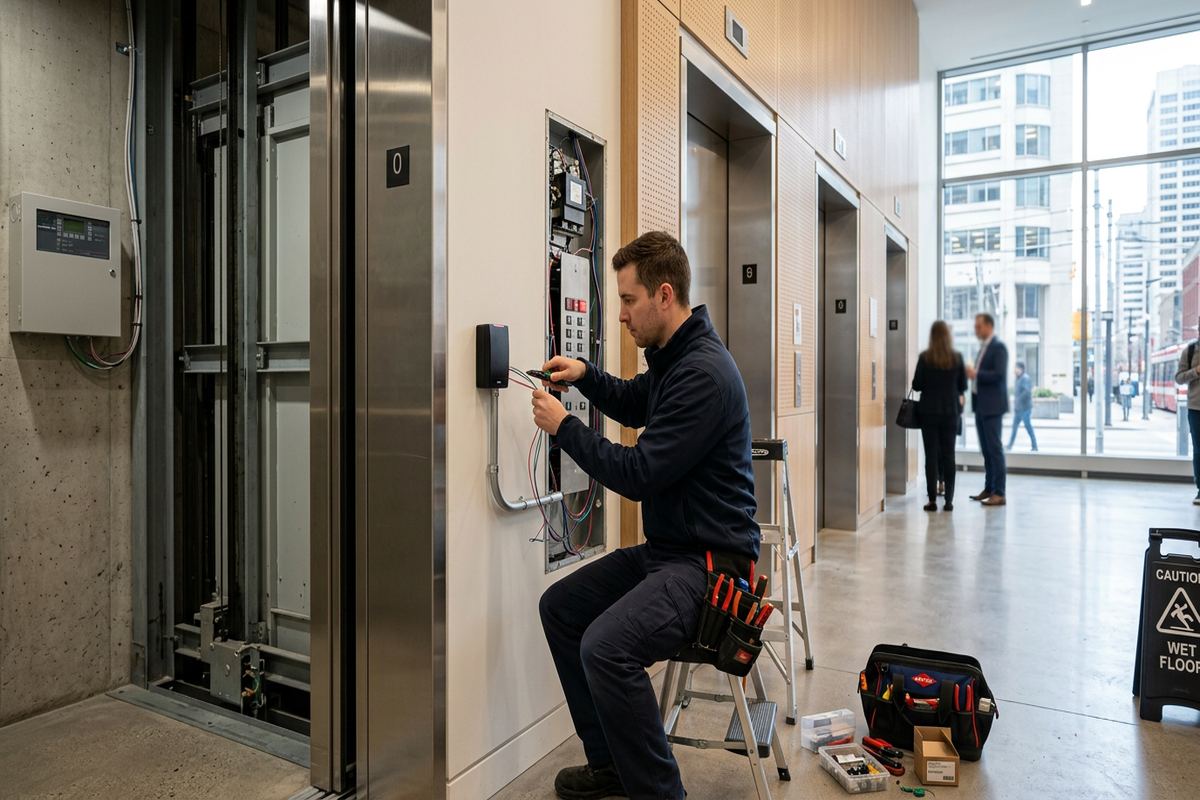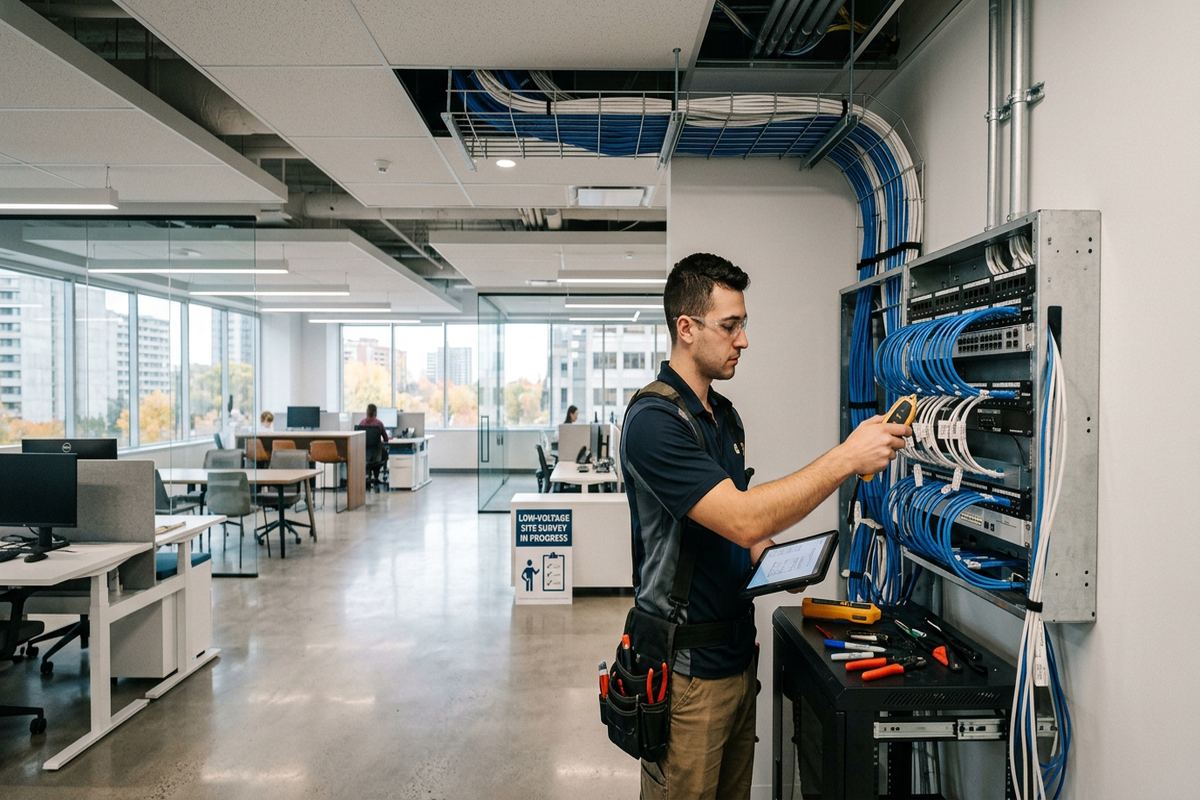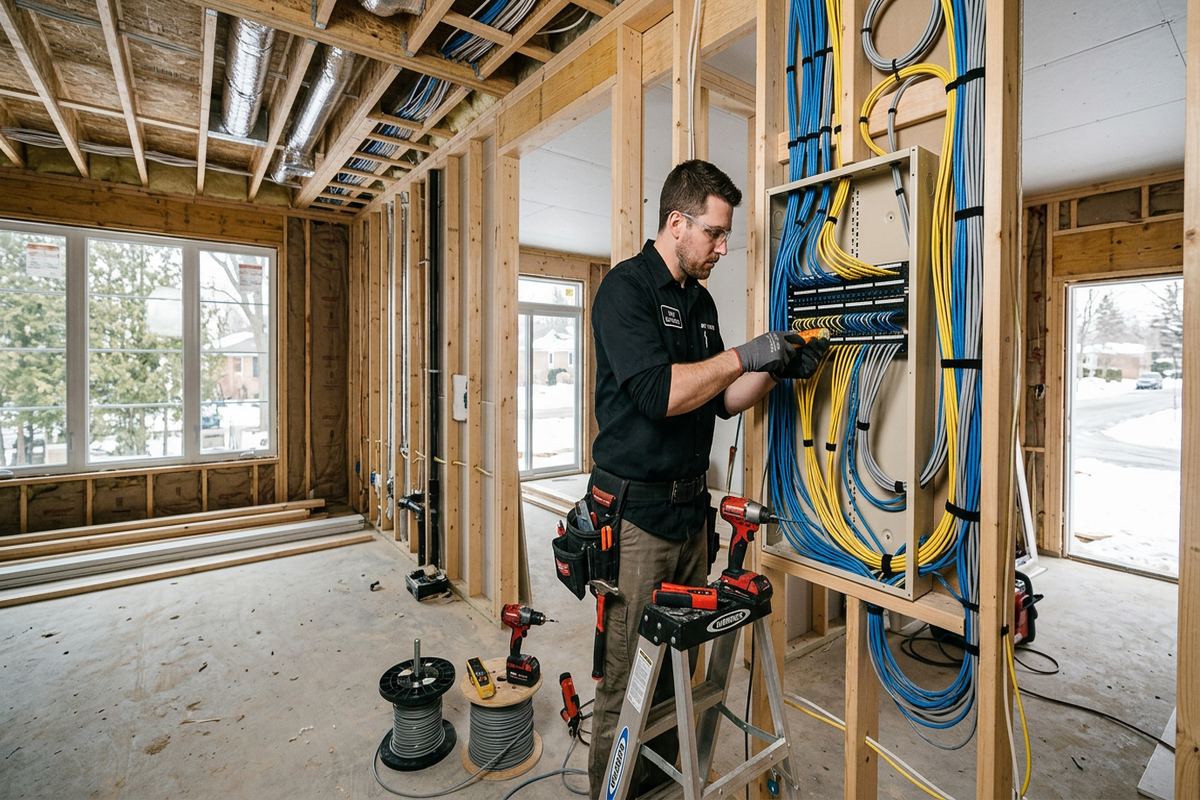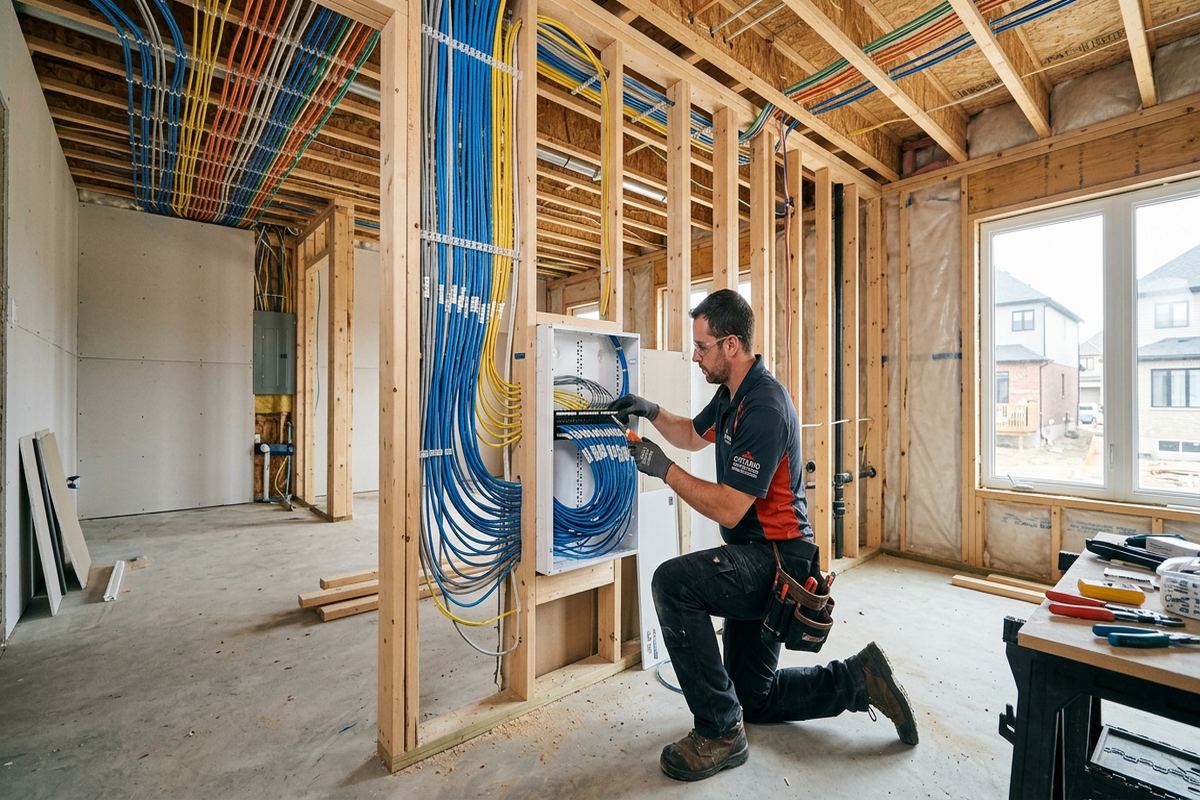
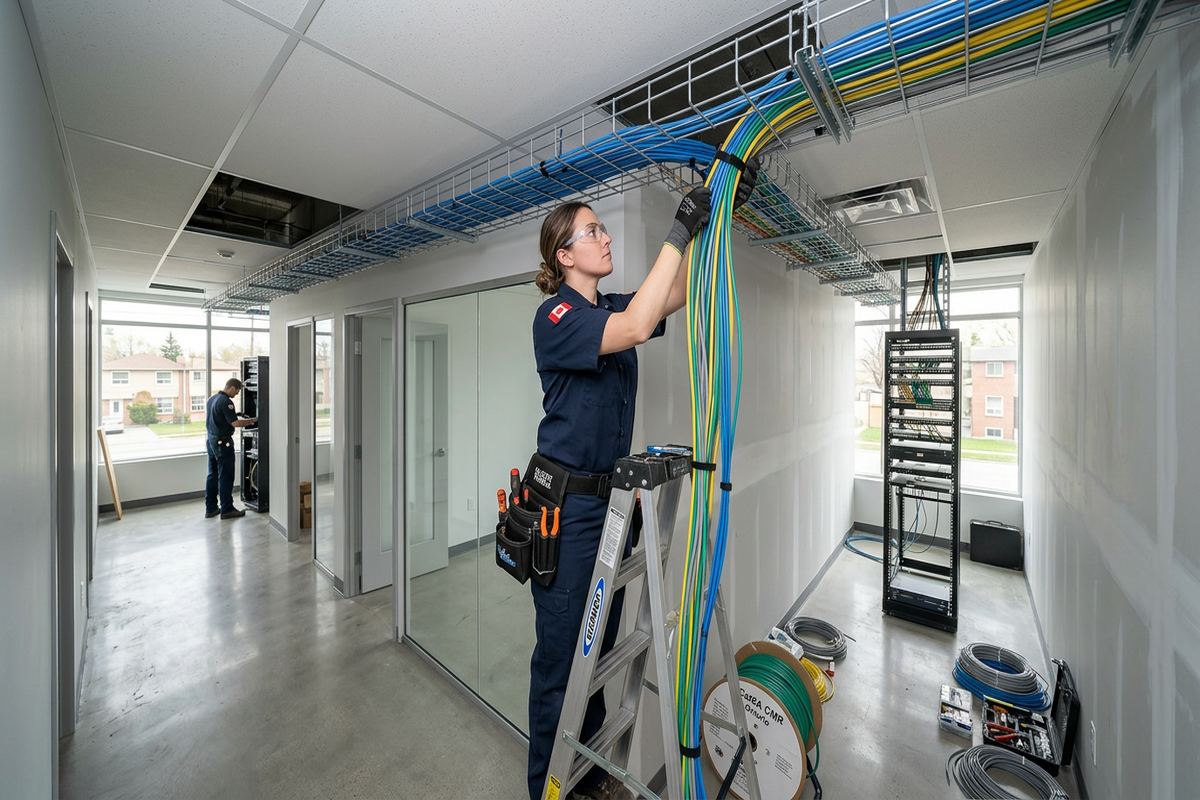
Low-voltage work is the wiring, panels, and pathways that everything else depends on. UnifiedLink handles it to a documented standard so the systems installed on top of it stay reliable for years.
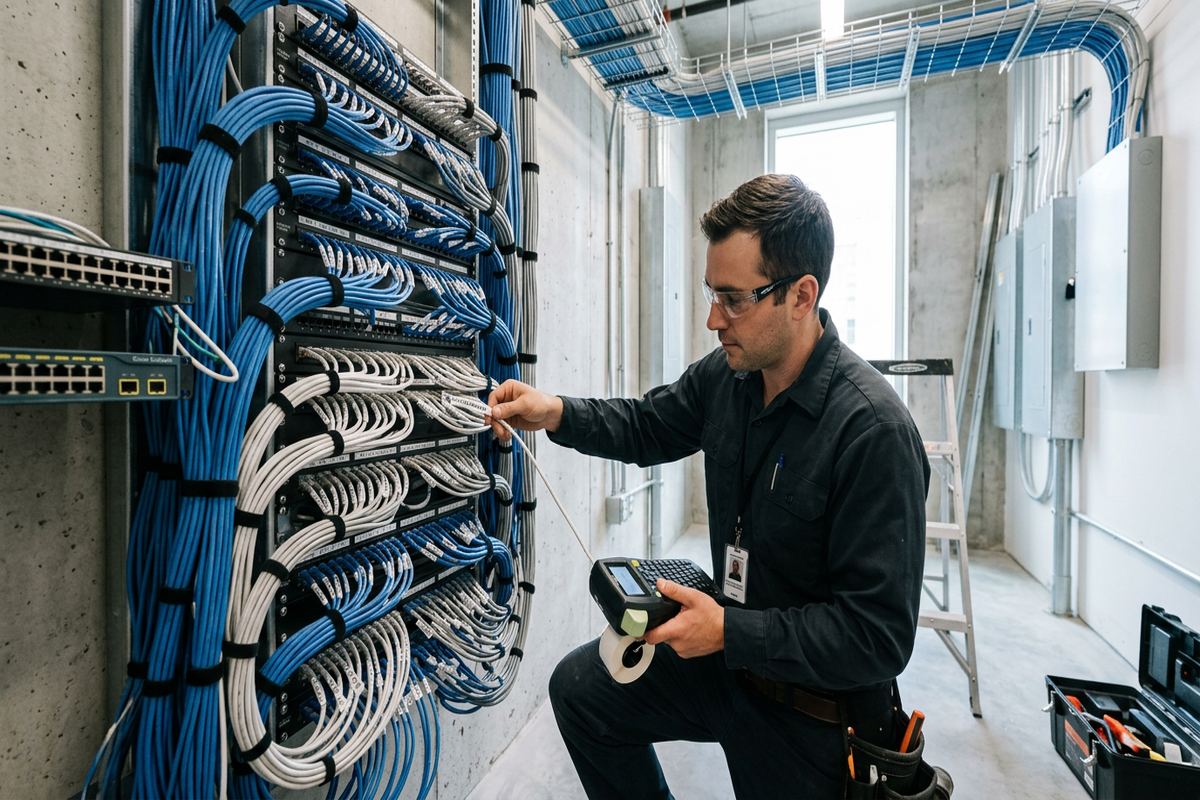
What this install involves
- A site assessment to confirm what the property can support and what it actually needs.
- A written scope covering equipment, cable routes, exclusions, and ownership.
- Installation with tidy, labelled cabling and proper terminations.
- Configuration, testing, and handover with documentation and your own credentials.
Suited to residential-and-commercial properties
Cable plant, panels, and pathways done to one standard
Low-voltage infrastructure is invisible until it fails, which is why it attracts shortcuts. A poorly terminated cable frequently passes a casual test and then produces intermittent faults for years — the most expensive kind of fault, because it is hard to reproduce and usually gets blamed on the equipment rather than the wire.
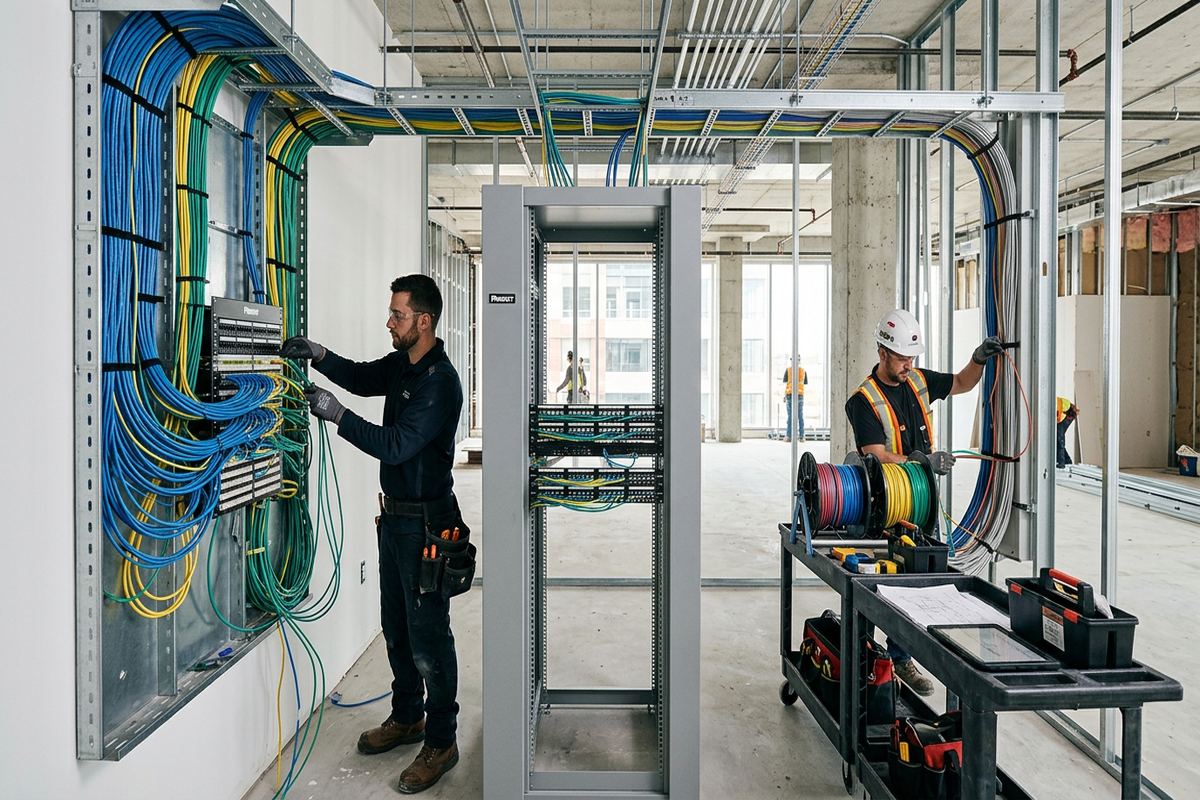
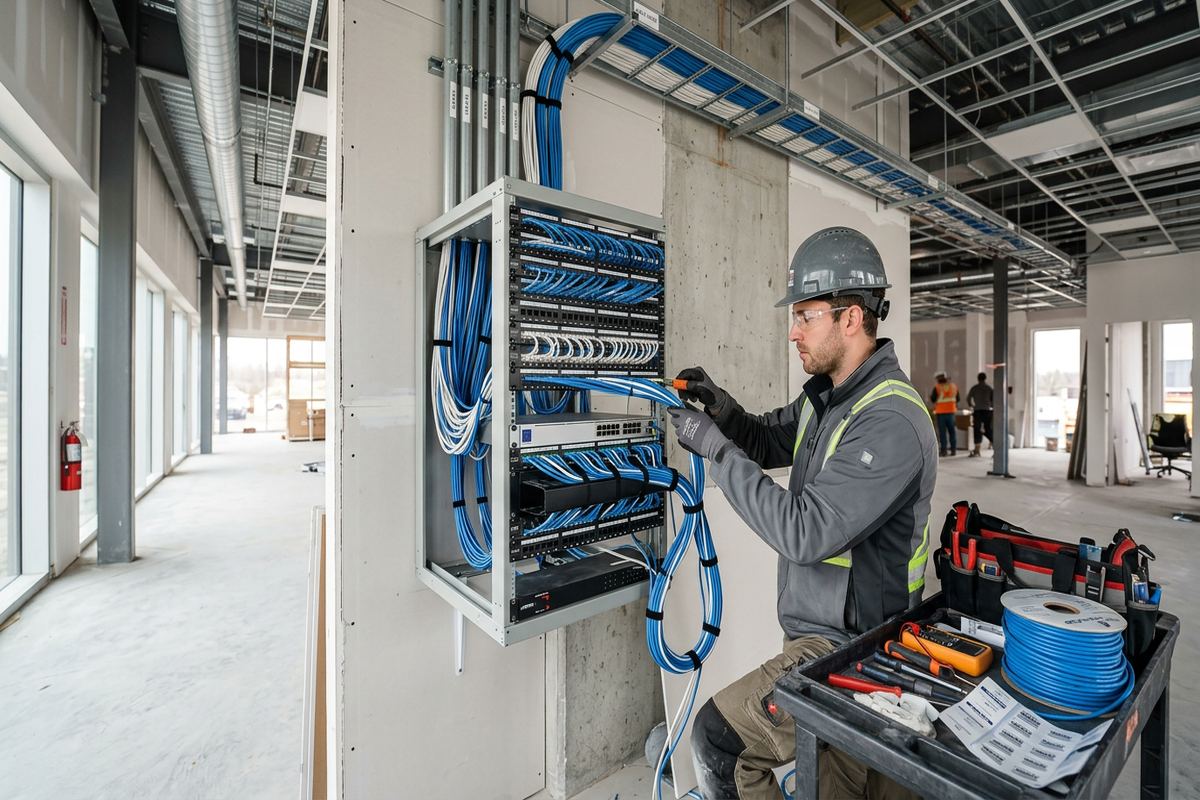
Our standard is deliberately unexciting. Continuous runs with no hidden splices. Bend radius respected. Separation from electrical to limit induced noise. One termination standard, either T568A or T568B, applied across the entire property rather than mixed by whoever pulled the run. Labelling at both ends using a scheme a stranger can still follow in three years. Service loops where a device may move.
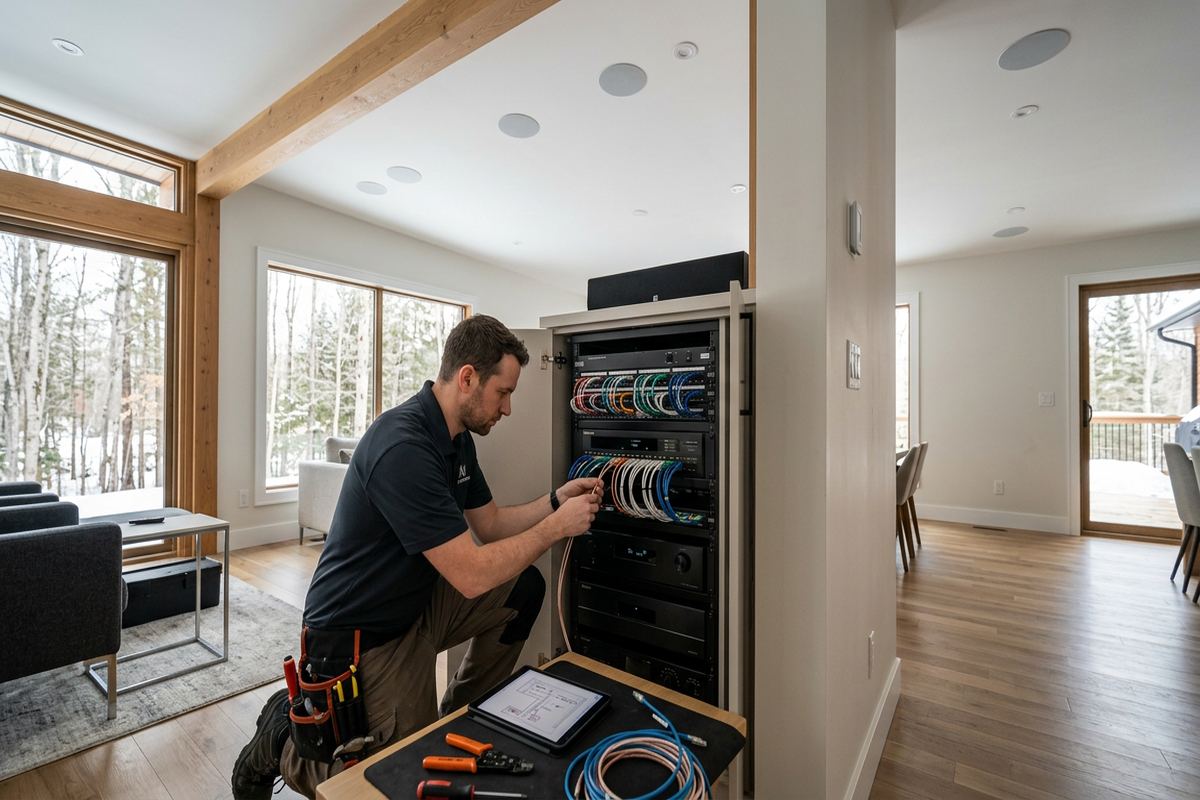
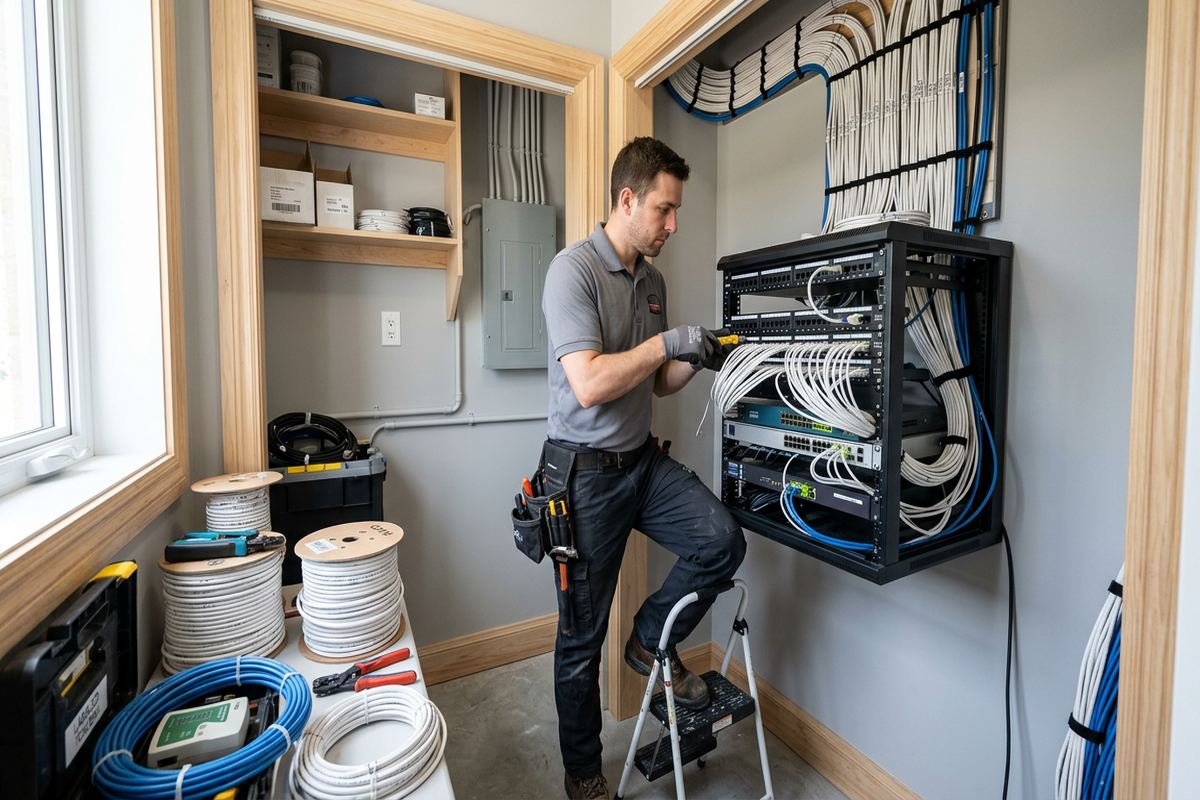
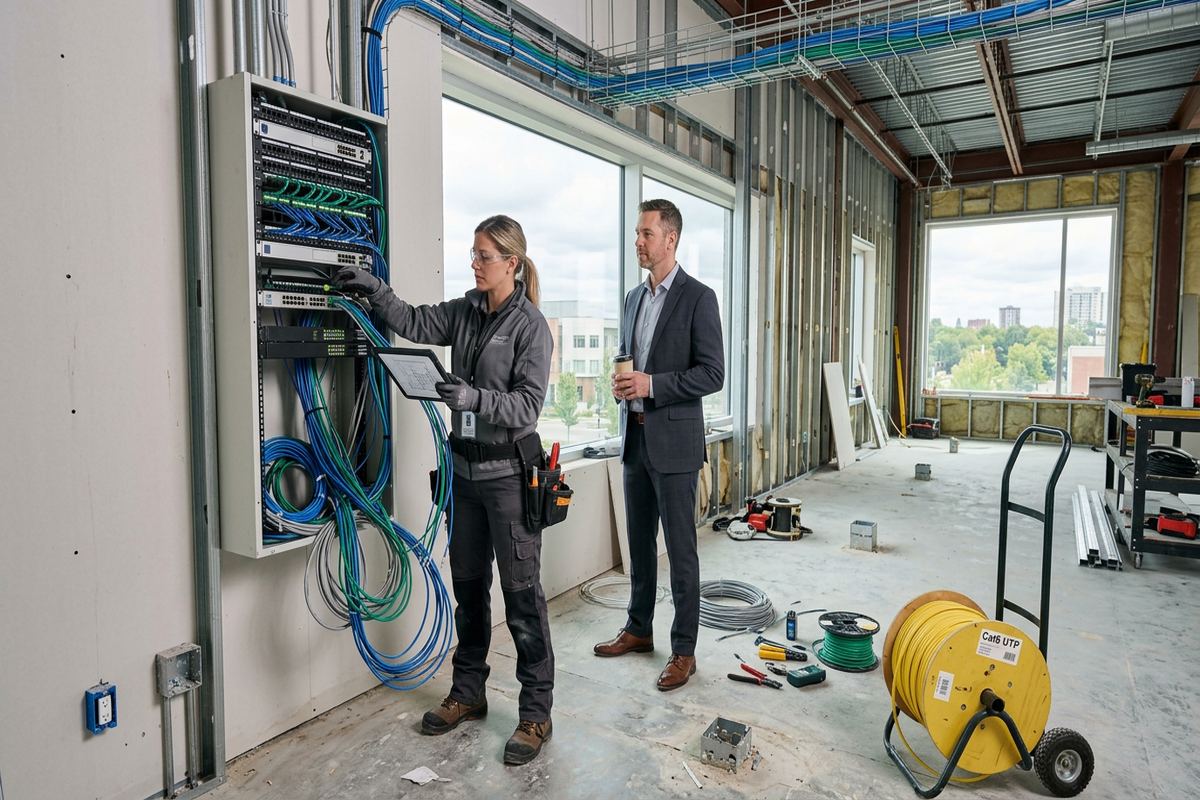
Panels and racks are treated the same way: cables dressed and supported so any single run can be traced and replaced, power supplies labelled with what they feed, and spare capacity left in the patch panel and switch. Properties always add devices, and nobody has ever regretted four spare ports.
- Continuous runs, no hidden splices, respected bend radius
- Separation from electrical runs to reduce interference
- A single consistent termination standard property-wide
- Labelling at both ends plus an as-built record you keep
- Spare capacity planned into panels, switches, and pathways
What a Low-voltage cable labelling project looks like from start to finish
Every low-voltage cable labelling job we take on runs through the same sequence, because skipping a stage is how installs end up half-finished. It starts with a site assessment rather than a price over the phone. We look at the property, confirm construction type, check where cable can realistically be routed, look at where power is available, and confirm what the existing network and electrical service can support. A quote written without that visit is a guess, and guesses get corrected mid-install at the customer's expense.
After the assessment you receive a written scope. It lists the equipment by model, the mounting positions, the cable routes, the configuration work included, what is explicitly excluded, who owns the accounts at the end, and what the warranty covers. If something on that list is likely to change once walls are opened, we say so in the scope rather than discovering it on install day. Nothing gets ordered until you have read it and agreed to it.
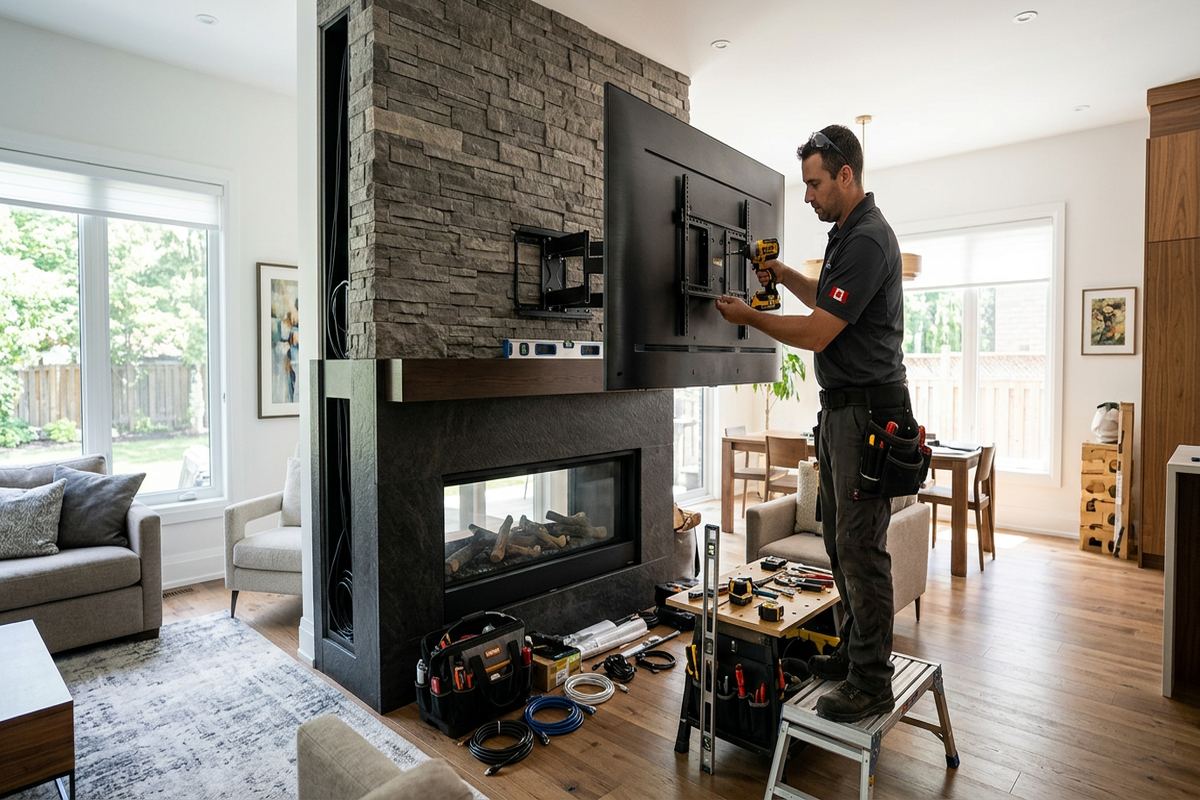
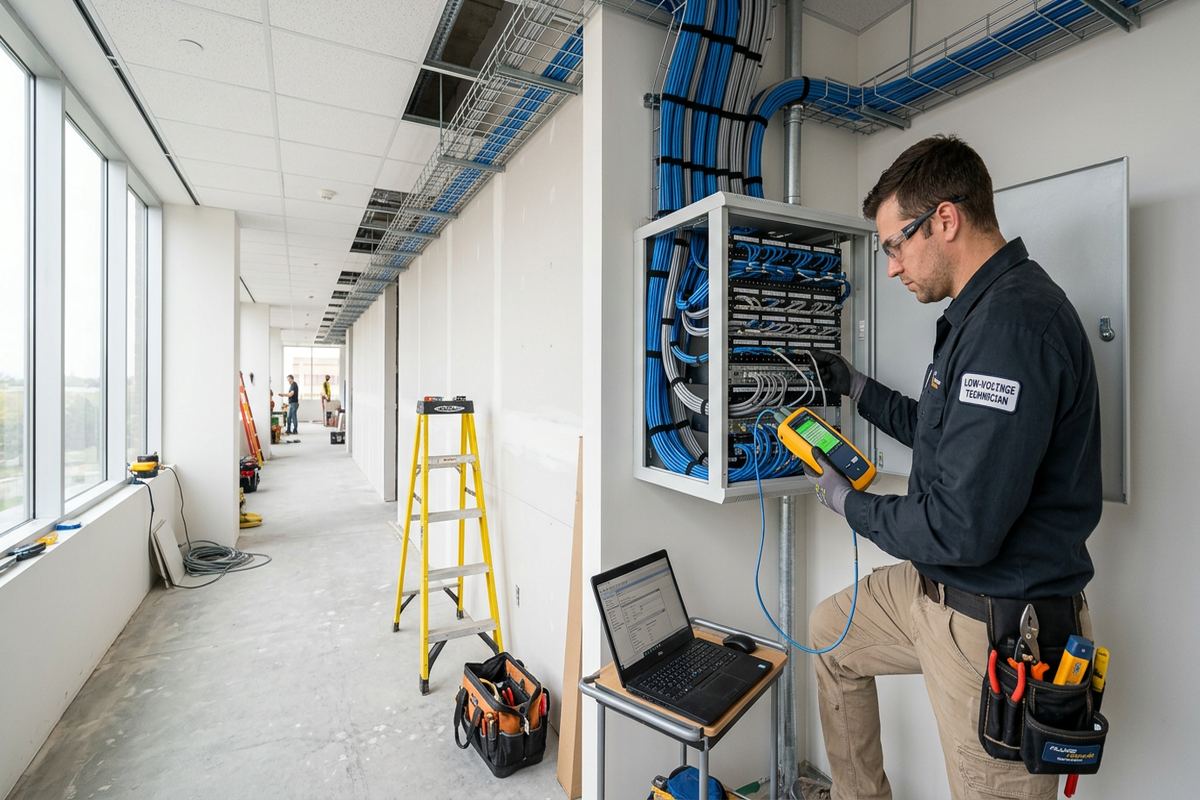
Installation follows the scope. Cable is pulled in continuous runs, terminated to a single consistent standard across the property, and labelled at both ends. Devices are mounted level, sealed where they meet the building envelope, and positioned so a future technician can reach them without dismantling a ceiling. Configuration happens on site, not remotely from a template, so the settings match how the property is actually used.
Handover is the stage most installers rush and the one that determines whether the system still works in three years. We test each device, walk you through the day-to-day operation, hand over credentials registered in your name, and leave an as-built record of what was installed where. You should never need to call us to find out what is behind your own wall.
- Site assessment before pricing — no quotes written from a phone call
- Written scope covering equipment, routes, exclusions, ownership, and warranty
- Continuous cable runs, one termination standard, labelled at both ends
- On-site configuration matched to how the property is actually used
- Handover with your own credentials plus an as-built record you keep
Trusted and recommended for low-voltage cable labelling in your area
Get in touch for a straight answer, a written scope, and practical options.
Why general low-voltage services work belongs with a single integrator
Most properties do not have a technology problem, they have a coordination problem. The camera company never spoke to the network company. The audio was added two years after the wiring closet was closed up. The access control reader was installed by whoever was on site that week. Each decision was reasonable in isolation, and together they produce a building where nothing quite works with anything else and no one is accountable when it fails.
Running low-voltage cable labelling through one integrator means one cable plant, one network design, one labelling scheme, and one number to call. When a device stops responding, there is no argument about whether it is the wire, the switch, the power supply, or the equipment. We installed all of it, so we own the answer.
It also protects the parts that are expensive to change. Equipment is easy to swap later. Cable routes, mounting positions, panel space, and network structure are not. Planning those first, with every system on the property in view, is what keeps the next addition to the building a half-day job rather than a renovation.
- One accountable contractor for design, install, configuration, and support
- Shared cable plant and network instead of parallel, competing installs
- Spare capacity left in panels, switches, and pathways for future additions
- Documented labelling so any technician can trace a run years later
- No finger-pointing between trades when something needs attention
New builds, renovations, and retrofits in finished spaces
On new construction and gut renovations, the cheapest work is the work done before drywall. We prefer to be involved at rough-in so pathways, conduit, panel location, and device boxes are placed once, correctly, with room for what the property will need in five years rather than only what it needs today.
In finished spaces we retrofit with as little disruption as the structure allows. That means fishing walls where possible, using existing pathways, and being honest about where a run will require an access hole and patching. We tell you where make-good is needed before we start, not after the ceiling is open.
What Low-voltage cable labelling costs in Ontario, and what drives the number
We do not publish a flat price for low-voltage cable labelling, because the honest answer depends on the building more than the equipment. Two properties with identical device counts can differ substantially in cost when one has accessible pathways and the other requires fishing cable through finished walls, working around masonry, or coring for a single run. The equipment line is usually the predictable part of a quote; labour and pathway conditions are what move it.
The factors that consistently change the price are device count and placement, cable distances, ceiling and wall access, whether an existing panel or rack has usable space and power, the amount of make-good work required, and whether the job can be completed in one visit or has to be staged around trades, occupancy, or business hours. Height, exterior work, and anything requiring lifts or after-hours access also carry real cost.
What we can promise is that the number in the scope is the number you pay unless the property reveals something neither of us could see, and that if it does, you hear about it before the extra work happens rather than on the invoice. We would rather lose a job on price than win it on an estimate we know will grow.
- Device count, placement, and cable distance
- Wall, ceiling, and pathway access in the existing structure
- Available space and power in the panel, rack, or wiring closet
- Make-good, patching, and finish requirements after cable is run
- Scheduling constraints — occupied spaces, after-hours, or staged trades
Maintenance, support, and what happens after the install
A low-voltage system is not a one-time purchase, it is equipment that lives in a building and ages with it. Firmware needs updating. Storage fills. Lenses get dirty. Batteries in sensors expire. Networks get slower as devices are added. None of that is dramatic, but all of it is the difference between a system that works on the day you need it and one that quietly stopped months ago.
We offer scheduled checks that cover firmware, storage health, device connectivity, physical condition, and configuration drift, and we tell you plainly when something is fine and does not need attention. Support requests are answered by the people who installed the system and have access to the as-built record, which is why most issues are resolved without a second site visit.
Common questions about low-voltage cable labelling
Can you run cable in a finished house?
Usually, yes. We identify pathways during the assessment and tell you upfront where an access hole and patching will be required.
What cable do you install?
Category cable sized to the application and distance, with rated cable used for in-wall and plenum spaces as the location requires.
Do you test the runs?
Yes. Runs are tested and labelled at both ends, and you receive an as-built record at handover.
Can you clean up an existing wiring closet?
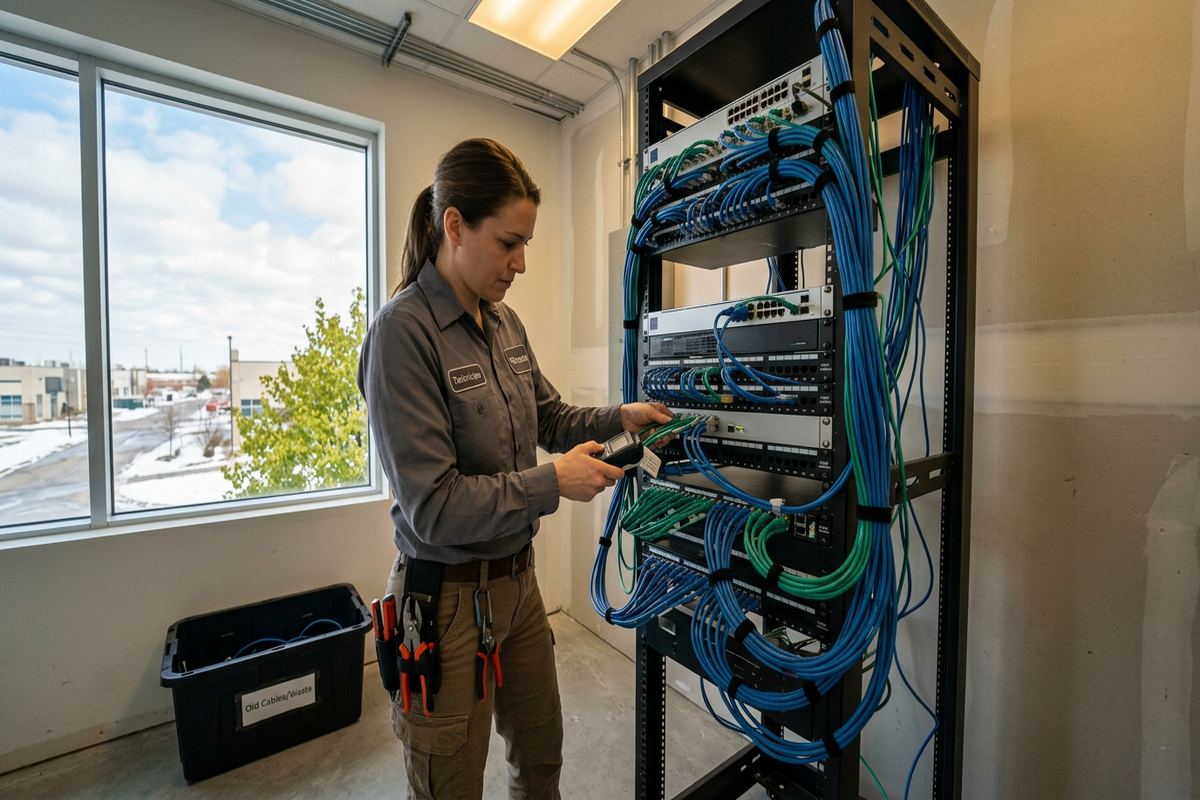
Yes. Re-dressing, labelling, and documenting an existing panel is one of the most common jobs we take on.
Should I wire during a renovation even if I do not need it yet?
Almost always. Pathways and drops installed before drywall cost a fraction of adding them afterwards.
We serve 66 locations across Ontario. Coverage for this service is confirmed against the address before we quote — we won't promise a visit we can't schedule.